




Antique Leather Volume
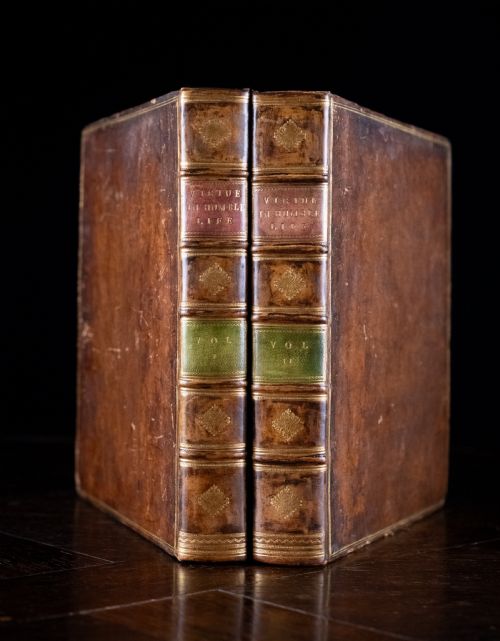
When you handle an antique leather volume, you hold centuries of literature, philosophy, and history bound in tactile calfskin, vellum, and gold-tooled paper.
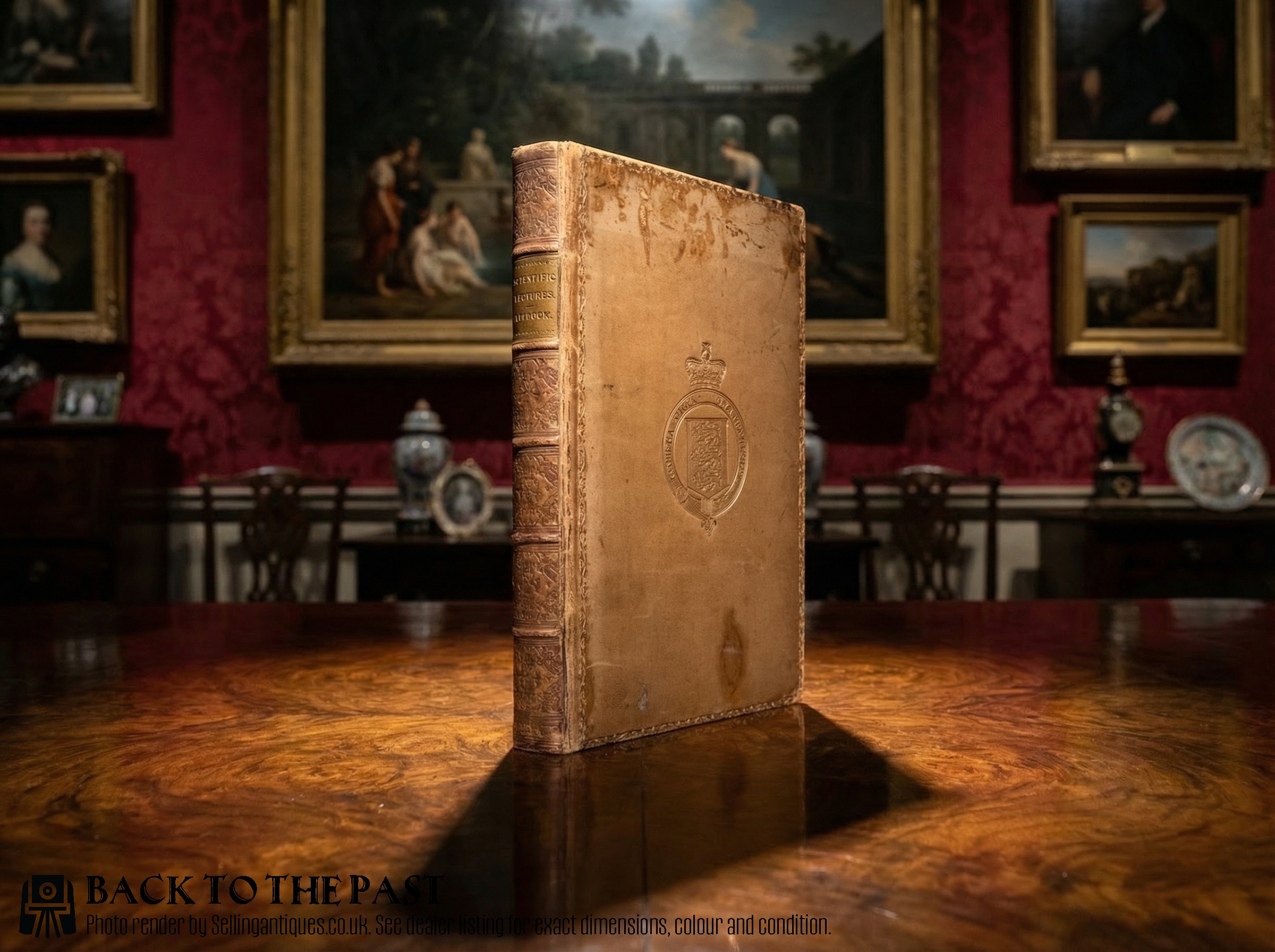
Antique Leather Volume
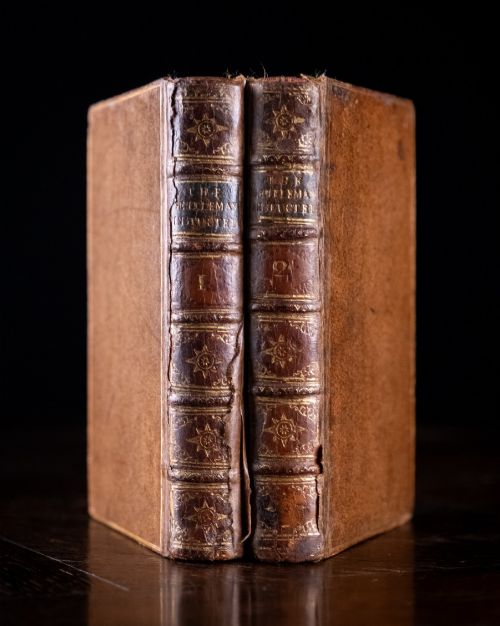
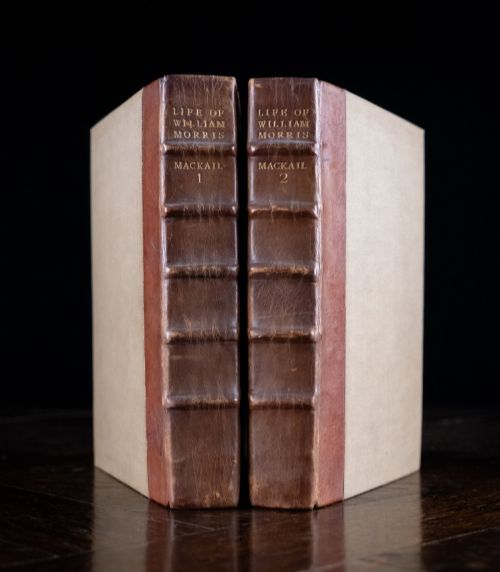
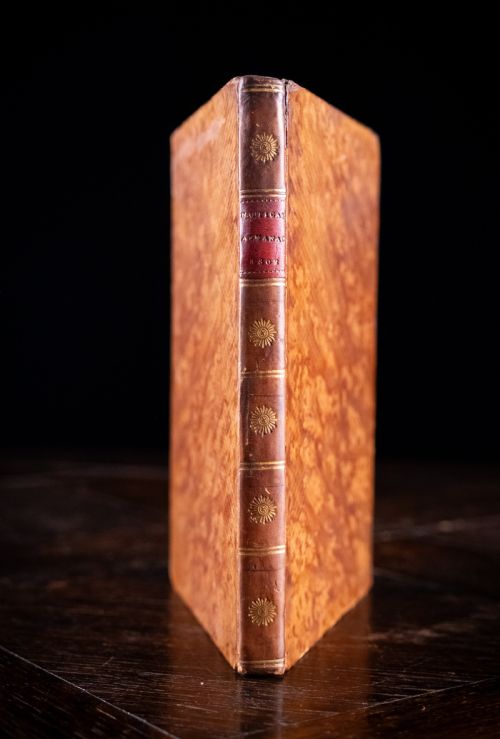
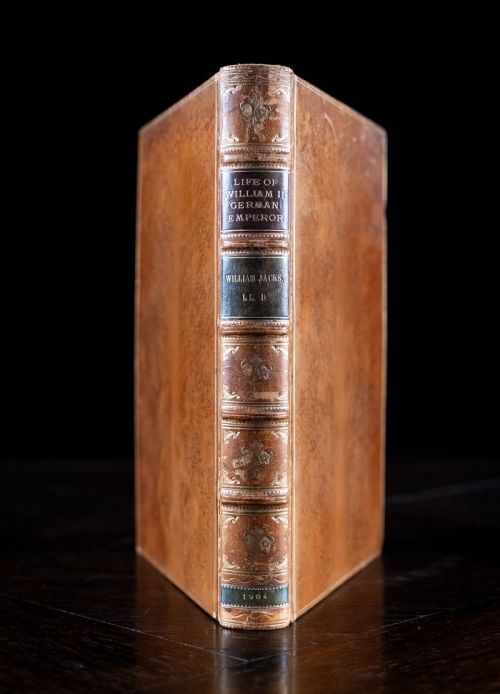
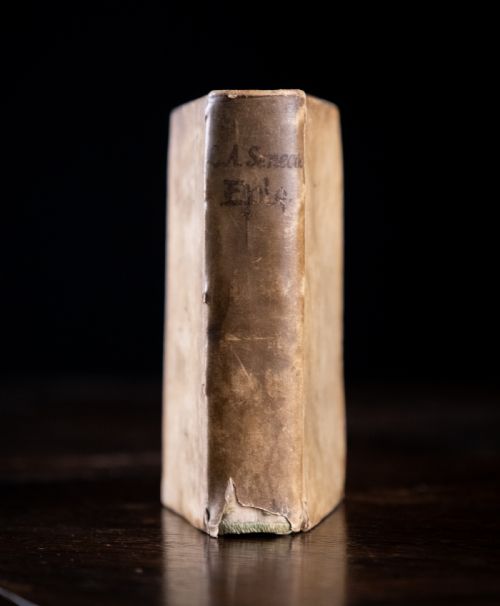
An antique leather volume encompasses single works, multi-volume sets, and miniature books spanning from the seventeenth century through the Edwardian period. Buyers looking for an antique leather volume will find everything from dense philosophical treatises and poetry to practical navigational almanacs, sporting magazines, and comprehensive histories.
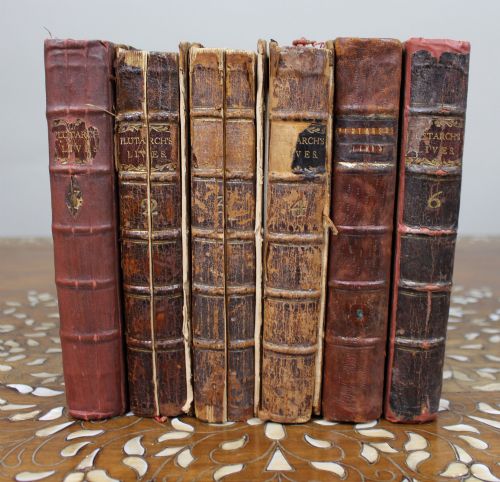
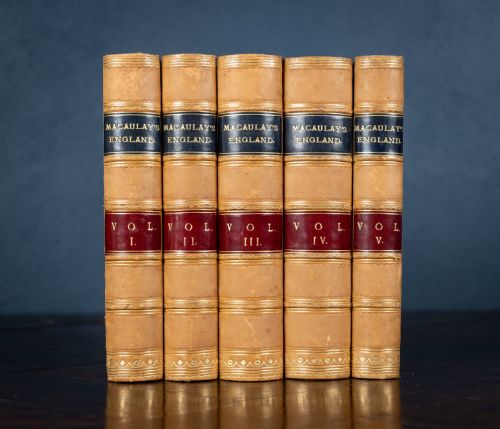
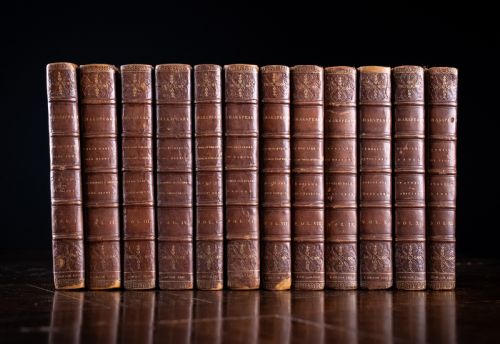
The inventory on this page ranges from individual volumes to extensive multi-book sets, including complete runs of Shakespeare plays, historical accounts, and classic novels. Formats vary from large library reference books to diminutive thumb Bibles and miniature editions designed to be easily carried.
Materials and construction
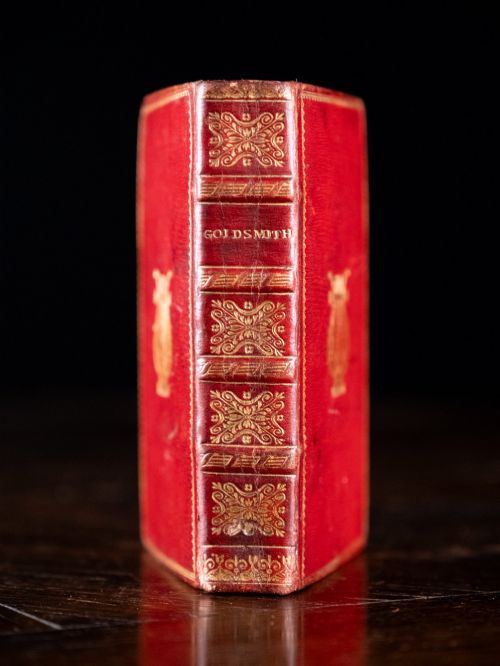
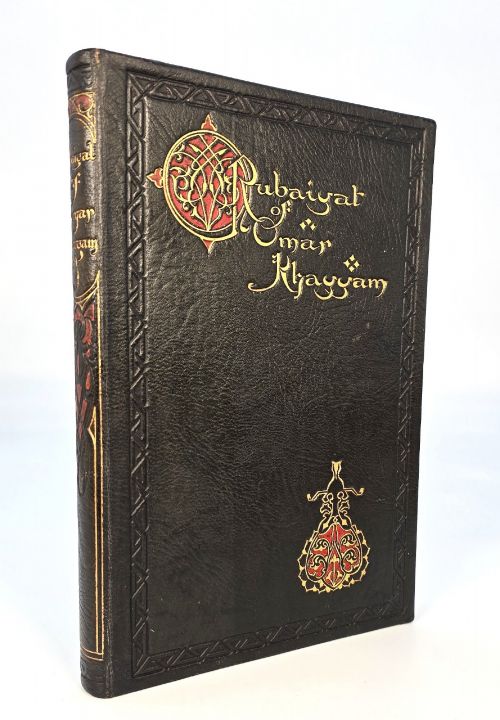
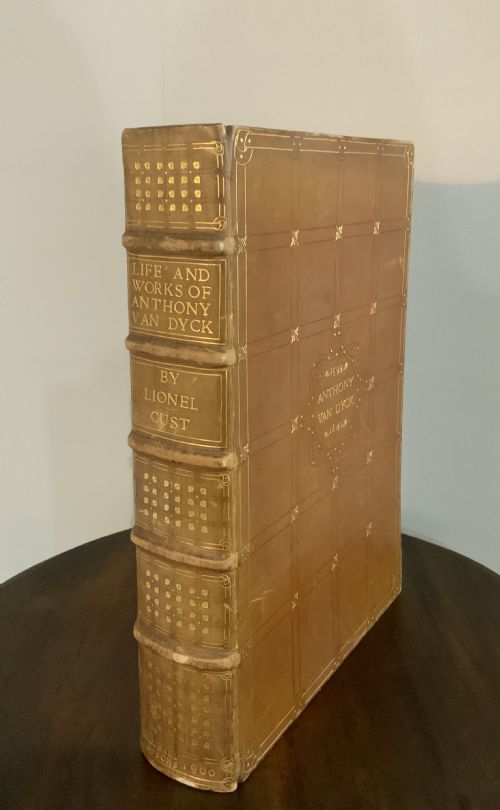
Binders utilised durable materials such as calfskin, vellum, and heavy cloth, frequently pairing them with marbled paper for endpapers and pasteboards. Spines and covers were commonly finished with gold leaf tooling to highlight titles, author names, and decorative bands.
Text blocks were assembled from stitched paper sheets, trimmed, and secured firmly into heavy boards before the leather covering was applied and pared down at the edges.
Materials represented across the selection include calfskin, vellum, marbled paper, cloth, and gold leaf.
Evaluating the craftsmanship
Quality in these volumes rests on the crispness of the gold leaf tooling, the durability of the original binding, and the preservation of the paper text block. Early bindings with hand-tooled details and intact joints stand apart from heavily worn or later rebound examples.
The inclusion of original plates, maps, and illustrations adds substantial depth to a set, distinguishing standard reading copies from carefully illustrated reference works and first editions.
J. & R. Tonson·J. Wheble
The Antique Leather Volume Glossary
- Vellum
- A fine parchment typically made from calfskin or sheepskin, valued for its pale, smooth surface and used frequently in historical bookbinding.
- Calfskin
- A supple leather derived from the skin of a calf, providing a smooth finish that accepted gold leaf tooling exceptionally well.
- Gold Leaf
- Gold beaten into an extremely thin sheet, pressed onto leather bindings through heated tooling to create lasting decorative lettering and patterns.
- Miniature Book
- An exceptionally small book format, often measuring only a few inches in height, produced for personal devotion or convenience.
- First Edition
- The very first printed appearance of a specific text, determined by the initial run of publication from the printing press.
Antique Leather Volume: Frequently Asked Questions
How should I clean antique leather bindings?
Leather requires gentle care to prevent drying out and cracking over time. Dust gently with a dry, soft cloth and avoid modern chemical cleaners.
Keep volumes away from direct sunlight and damp environments to preserve both the leather cover and the internal paper pages.
Are multi-volume sets usually complete?
Many listings feature complete multi-volume sets, ranging from two-book historical accounts to extensive runs of twenty or more novels. Checking the title description confirms whether all originally published volumes are present in the set.
Complete sets offer a uniform appearance on the shelf and maintain their original publishing structure.
How do I identify the publication date?
Publication dates are typically found on the title page within the front matter of the book. Roman numerals or early typography often indicate pieces originating in the seventeenth, eighteenth, or nineteenth centuries.
Where an explicit date is absent, historical context, typography styles, and binding materials help narrow down the period.
What is a thumb bible?
A thumb bible is an extremely small miniature book containing condensed summaries or selections of scripture. These diminutive volumes were popular in the eighteenth century for private devotion.
Their tiny format required precise miniature typesetting and careful leather binding to withstand regular handling.