



Calfskin Bound Books
Calfskin bound books offer tactile history through supple leather covers, bringing centuries of literature, exploration and philosophy directly into your library.
Calfskin Bound Books
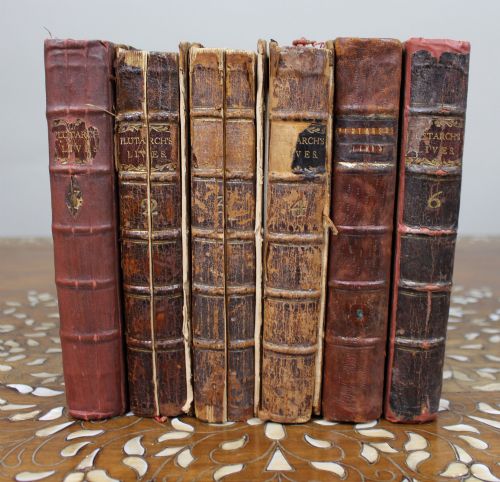
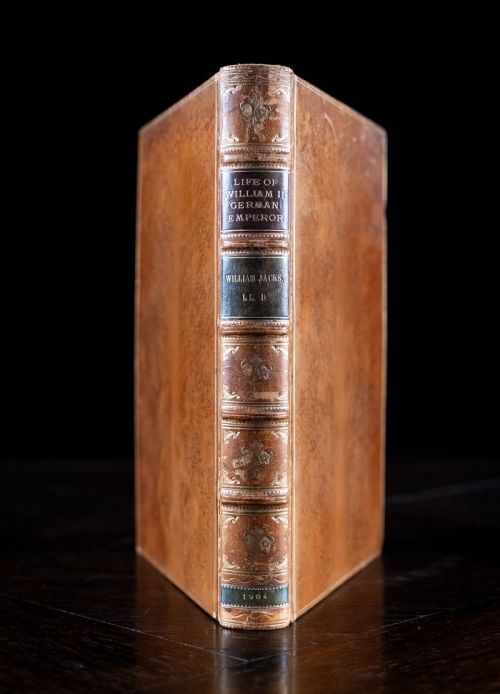
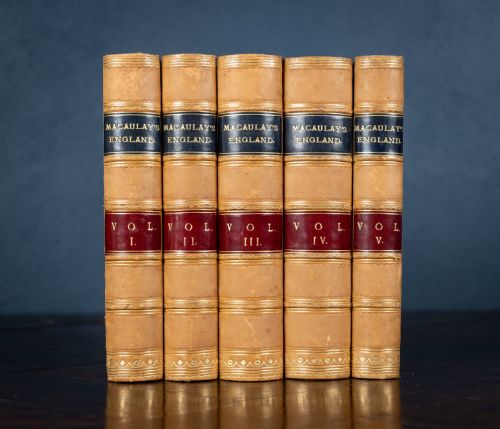
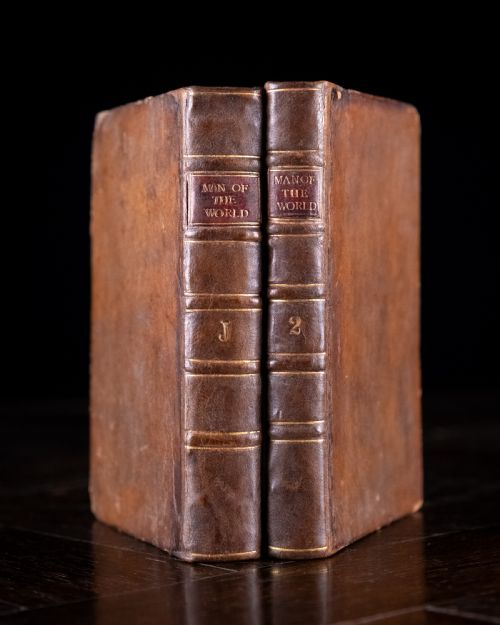
Calfskin bound books comprise works published across several centuries, ranging from eighteenth century sets on history and religion to nineteenth century editions of classic literature. Collectors searching for calfskin bound books encounter single volumes, multi volume sets and miniature books published throughout the Georgian, Regency, Victorian and Edwardian eras. These antique books cover subjects such as British history, county references, almanacs, novels and poetry.
The material origins of these volumes stem from traditional publishing practices where binders wrapped paper pages in durable animal skin. The selections available span from individual leather bound books to extensive runs of historical novels and collected works by authors such as Shakespeare, Macaulay and Plutarch.
Materials and construction
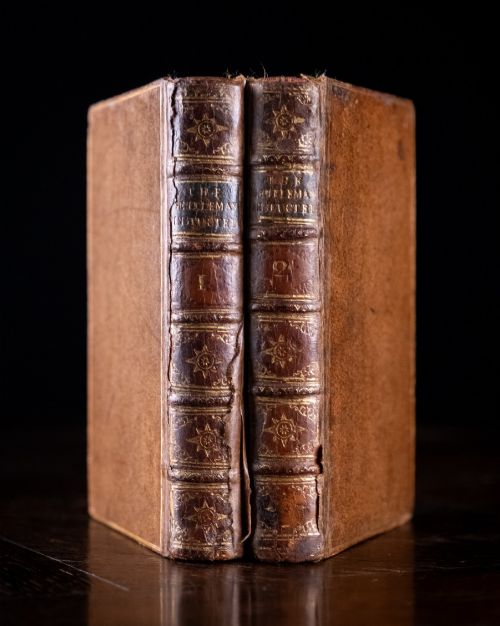
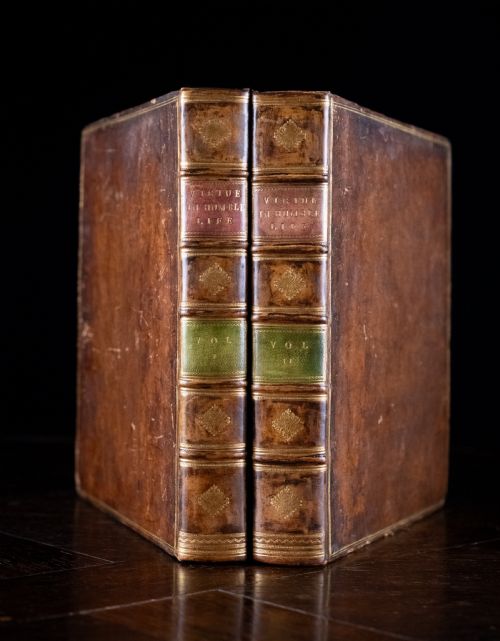
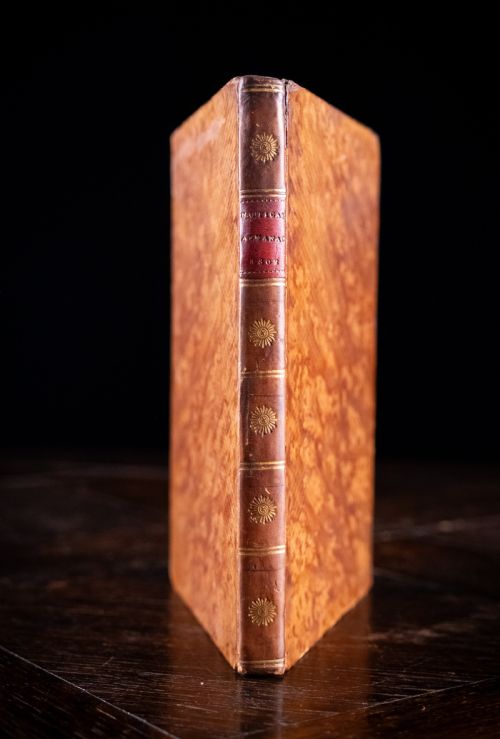
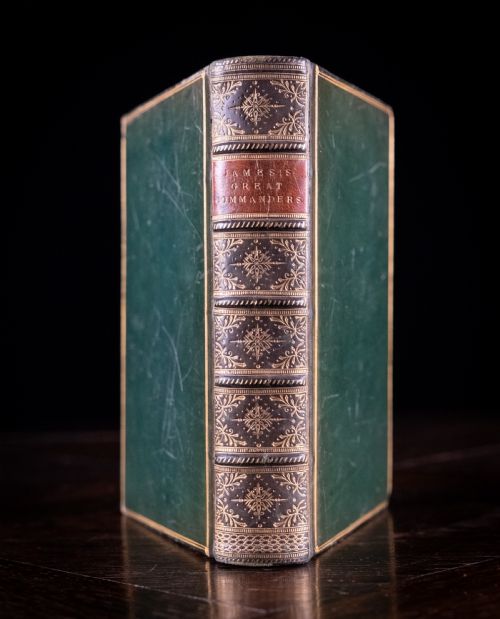
Binders utilised genuine calfskin leather and cardboard to form the protective covers of these volumes, securing internal paper pages with traditional stitching. Artisans applied gold leaf and gilt tooling directly onto the leather surfaces to create decorative spines and cover borders, frequently incorporating marbled paper on endpapers.
Production techniques relied on durable animal skins that accepted fine tooling and embossing well, ensuring the text blocks remained secure over generations of handling. The combination of supple leather, gold leaf decoration and sturdy cardboard foundations defined the physical character of these historical editions.
Current listings feature eighteenth and nineteenth century editions bound in leather, paper and cardboard, including notable multi volume sets from the Georgian and Victorian periods.
Assessing quality in historical bindings
Quality differences in these volumes depend upon the crispness of the gilt tooling on the spine and the suppleness of the calfskin leather. Superior examples retain clear lettering, intact gold leaf decoration and securely fastened book blocks without heavy surface cracking.
The completeness of multi volume sets and the uniformity of the binding style across a long run strongly influence the character of the books. Finer copies display careful hand finishing in the leather preparation and endpaper selection, distinguishing standard utility bindings from deluxe publications.
J. and R. Tonson·J. Wheble·Jean Dassier
The Calfskin Bound Books Glossary
- Calfskin
- A fine, smooth leather derived from the skin of a calf, utilised historically for high quality bookbinding because of its soft texture and durability.
- Gilt
- A thin layer of gold applied to the edges of pages or stamped into the leather binding for decorative effect.
- Marbled paper
- Paper decorated with a colourful pattern resembling marble, commonly used for the endpapers inside antique book covers.
- Miniature book
- An extremely small volume produced for personal devotion or convenience, often measuring only a few centimetres in height.
- Book set
- Multiple volumes published together as a complete work or uniform edition, sharing identical binding styles and publication details.
Calfskin Bound Books: Frequently Asked Questions
How should I store leather bound books?
Keep antique books away from direct sunlight and damp conditions to prevent the calfskin leather from drying out or developing mould.
Store volumes upright on sturdy shelves without overcrowding them, allowing air to circulate around the leather covers.
Are multi volume sets usually complete?
Many historical sets survive intact across numerous volumes, though completeness varies depending on how the books were stored by previous owners.
Check the individual listing details and volume counts carefully before acquiring an extensive set of novels or historical works.
What periods do these books cover?
The available volumes span from the eighteenth century through the Victorian era and into the early twentieth century, reflecting diverse publishing traditions.
Georgian, Regency and Edwardian periods are all represented among the various historical texts and literature sets.
How can I identify the publication date?
Publishers frequently printed the date of release on the title page or within the introductory prefatory notes of older books.
Additional clues regarding the period appear in the binding style, typographic layout and contemporary ownership inscriptions.