




Classic Literature Book Set
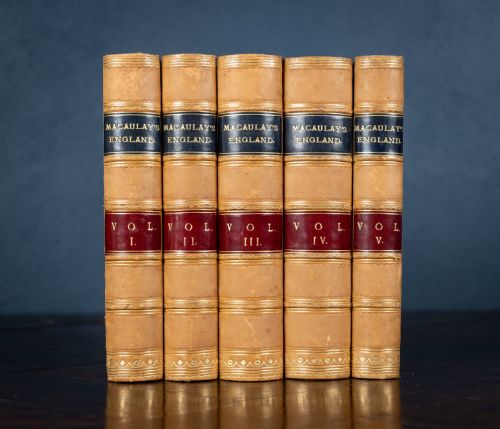
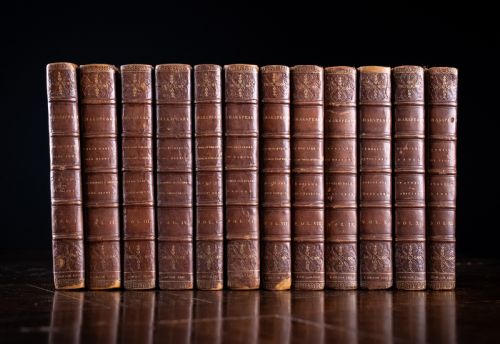
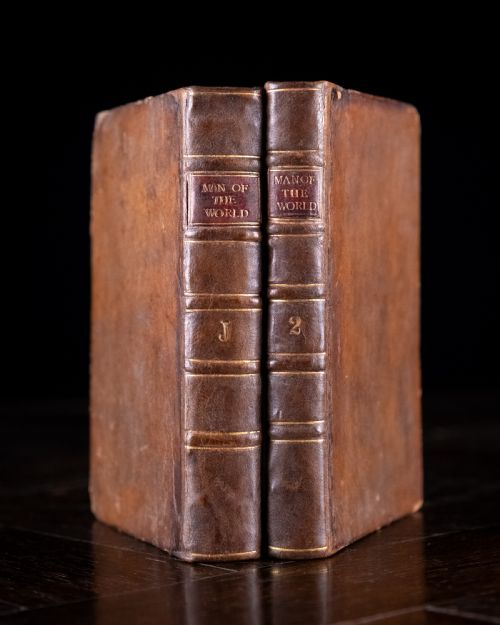
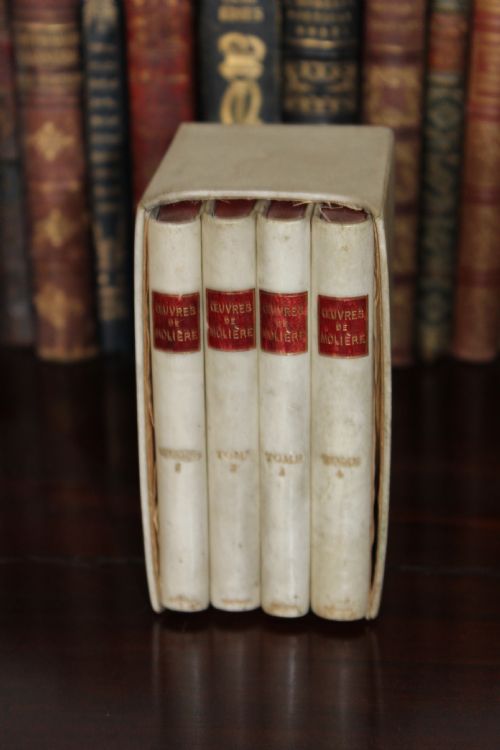
A classic literature book set brings together historic volumes in uniform bindings to grace a shelf.
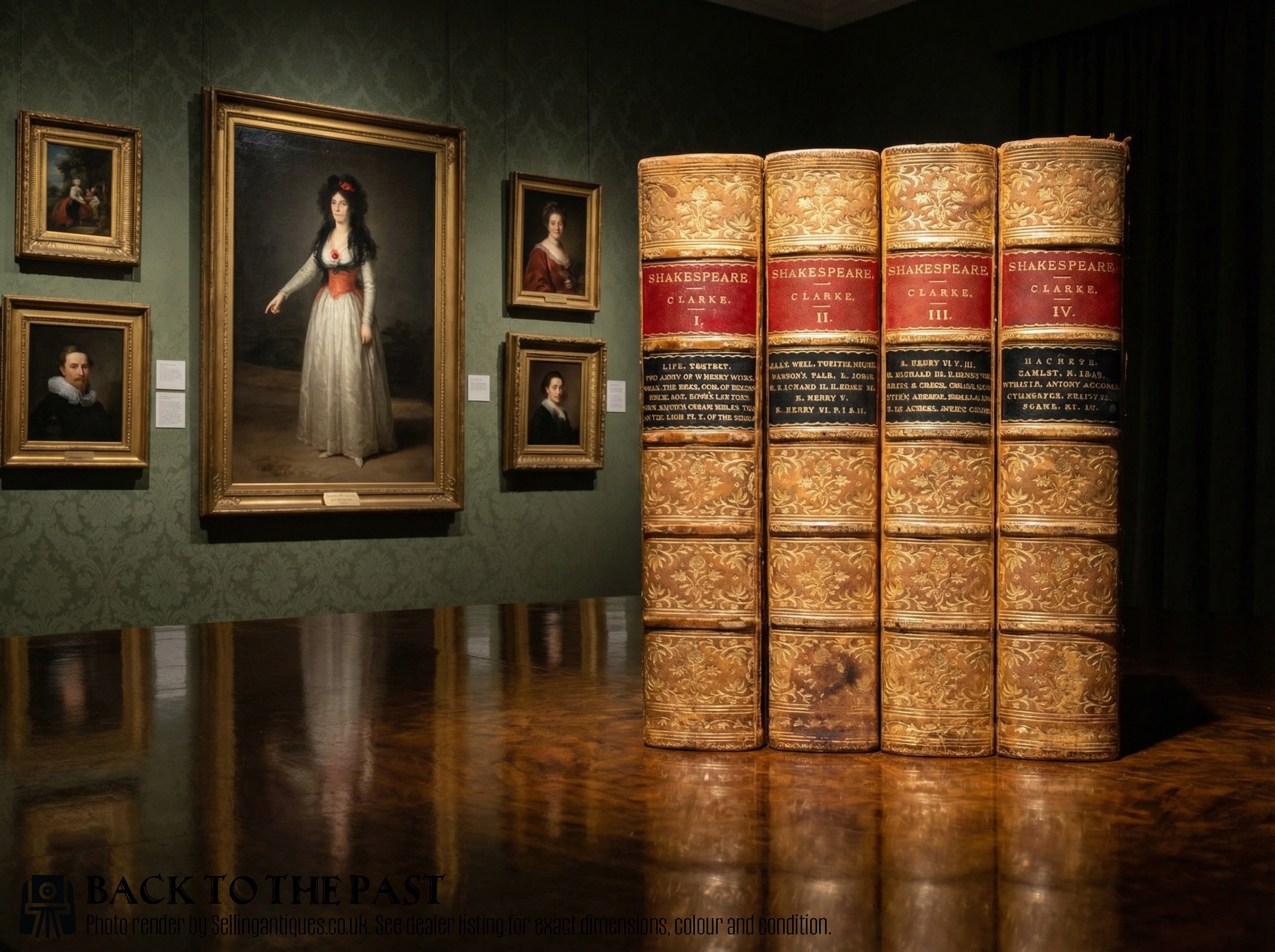
Classic Literature Book Set
A classic literature book set comprises multiple volumes of historical texts, often bound together to create a cohesive visual statement on a library shelf. These collections span the eighteenth, nineteenth, and twentieth centuries, bringing together works by notable authors in matching formats.
The most common examples encountered here include multi-volume sets of plays, historical accounts, and novels from the Victorian and Georgian eras. Buyers often find collections of Waverley novels, Shakespearean works, and historical series published in uniform bindings.
Originating from periods ranging from the late eighteenth century to the mid-twentieth century, these sets represent the domestic publishing tastes of past eras. They serve both as readable literary works and as decorative elements for period interiors.
How they were made
Binders utilised traditional materials such as calfskin, calf leather, and cloth to cover the paper pages of these multi-volume works. Marbled paper often lined the inner boards or covers, adding visual depth to the interior design of the volumes.
Decoration relied on gold leaf and gilt tooling applied to the spines and covers to highlight titles, author names, and ornate patterns. These hand-finished details distinguished library editions from standard commercial publications of the period.
Plays by Shakespeare and novels by Sir Walter Scott appear repeatedly in multi-volume nineteenth-century sets.
What varies in quality
The uniformity of the binding across all volumes dictates the visual harmony of the set on a shelf. Sets that retain their original matched bindings command greater visual consistency than those assembled from mixed printings.
The preservation of spine lettering, gilt tooling, and leather suppleness determines the overall condition tier. Superior examples maintain crisp impressions on the paper and sound structural integrity in the hinges of each volume.
The Classic Literature Book Set Glossary
- Calfskin
- A fine leather derived from calf hide, commonly used in nineteenth-century bookbinding for its smooth texture and durability. It takes gilt tooling particularly well.
- Gilt
- A thin layer of gold applied to the edges of book pages or onto leather bindings for decoration. This technique protects the paper edges from dust and adds a polished finish.
- Marbled paper
- Paper decorated with a colourful swirled pattern resembling marble, traditionally used for endpapers inside the covers. It provides a decorative contrast to leather spines.
Classic Literature Book Set: Frequently Asked Questions
How should I clean leather book bindings?
Dust the volumes gently with a soft, dry cloth to remove surface particles. Avoid applying water or modern chemical cleaners to historic leather.
Keep the books away from direct sunlight and damp environments to preserve the natural suppleness of the calfskin or leather material. Proper airflow around your shelving prevents the paper and bindings from deteriorating.
What periods do these book sets cover?
The selections span from the eighteenth century through the nineteenth century and into the mid-twentieth century. Victorian and Georgian eras are particularly well represented among the surviving multi-volume publications.
Specific publication dates noted on the title pages help determine the exact decade of origin. Many sets reflect the publishing standards of the eighteen-eighties and eighteen-nineties.
Are all volumes in a set matching?
Most sets are published uniformly, ensuring that height, binding material, and spine decoration align across every volume. Publishers often released complete works, such as plays or novels, in matching editions for subscription buyers.
Some collections represent assembled groupings sharing the same period style and publisher format. Examining the spine details confirms whether the entire run shares a common origin.
How do I identify the author of an anonymous set?
Check the title page and introductory prefaces within the first volume for publisher notes or author attributions. Nineteenth-century editions frequently list the writer or editor prominently near the publication date.
Reference bibliographical details stamped on the spine against known historical publication records. First editions and specific translations often contain distinct publisher marks on the initial pages.