


Vintage Taxidermy Head
A vintage taxidermy head brings the drama of the field indoors, combining natural history with skilled preservation across the centuries.
Vintage Taxidermy Head
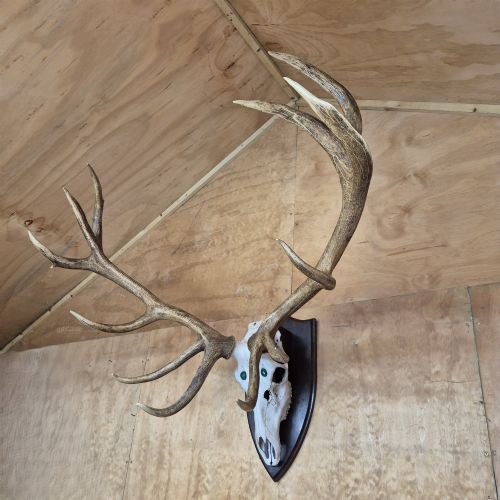
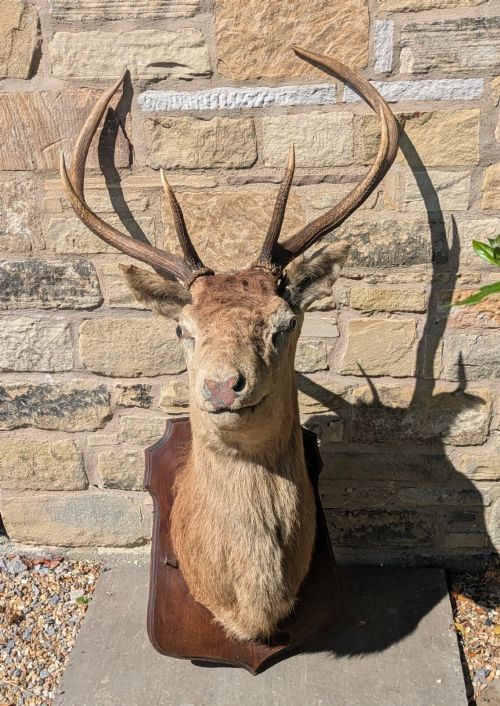
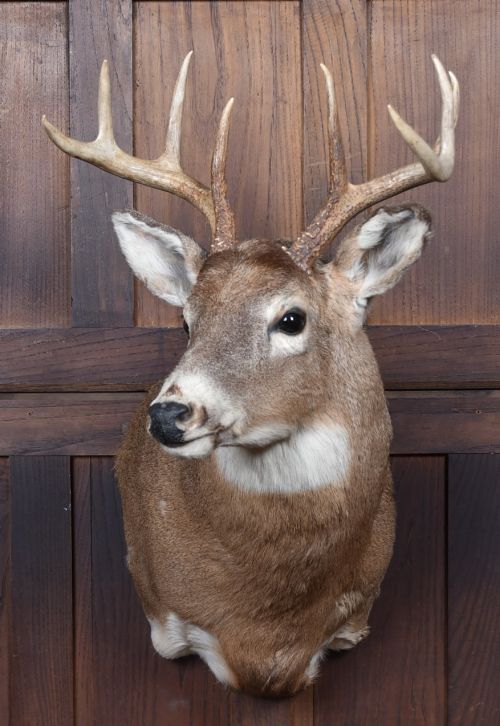
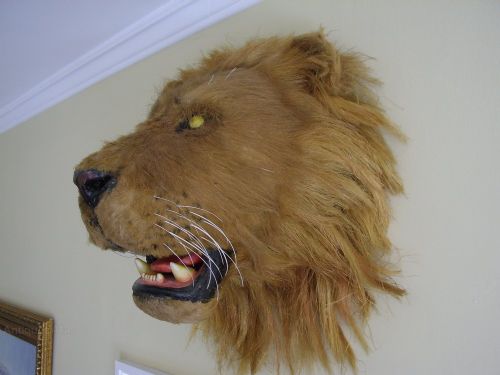
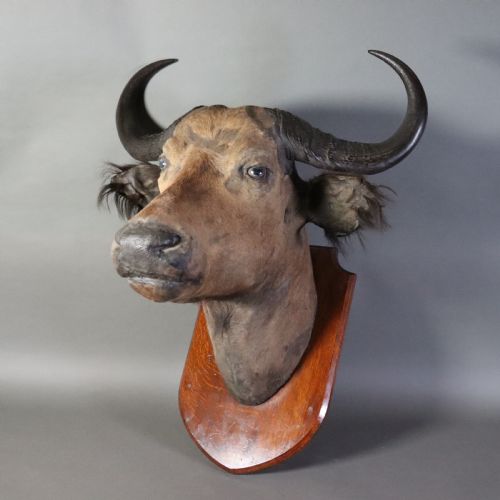
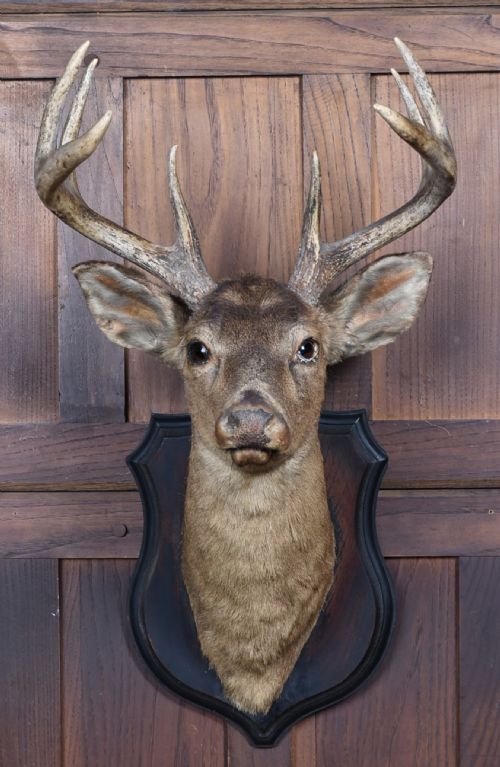
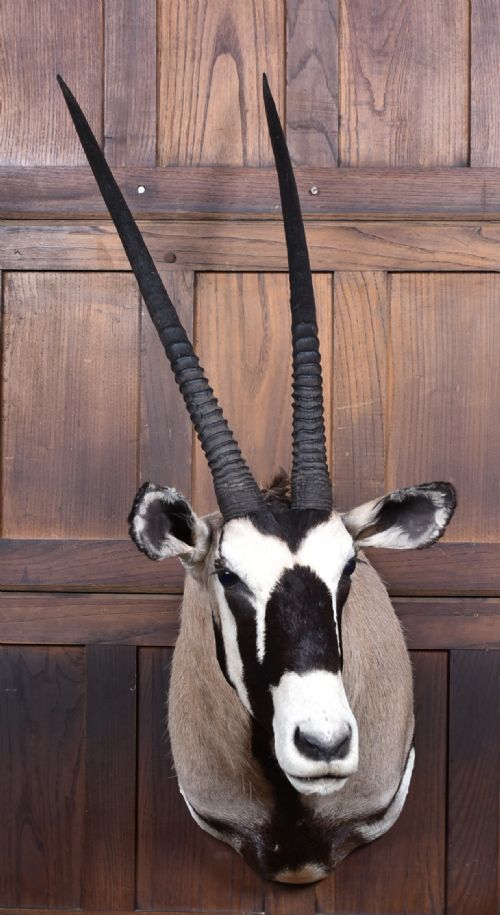
When you search for a vintage taxidermy head, you encounter preserved animal specimens and antler trophies mounted for wall display. These pieces range from deer and antelope heads to smaller mammal masks and exotic game trophies.
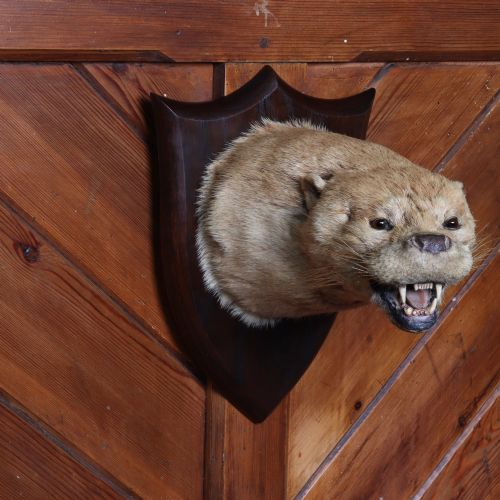
The versions most commonly met on this page date from the Victorian and Edwardian periods through to the mid-twentieth century. They appear as wall sculptures, shield-mounted roebuck, and fox masks originating from traditional hunting lodges and natural history collections.
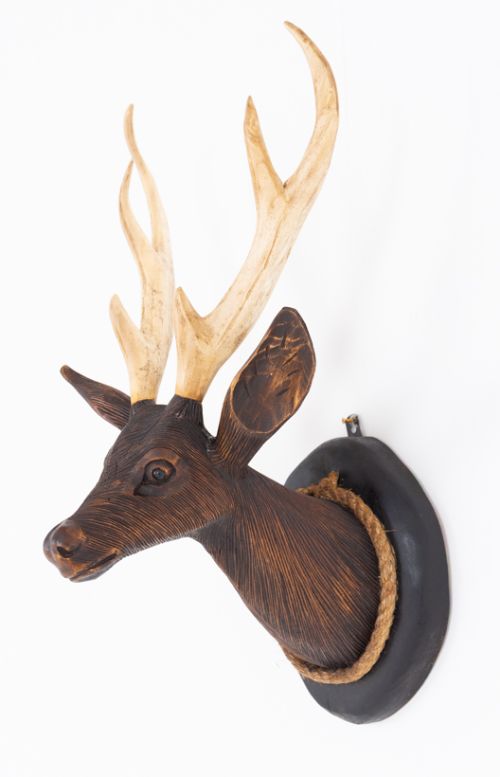
The selection also includes carved wooden interpretations and folk art pieces alongside actual hide and antler mounts. Each item reflects the historical taste for displaying natural specimens within domestic interiors.
Materials and construction methods
Preparation relied upon taxidermy hide, natural fur, and bone combined with glass eyes to achieve a lifelike appearance. Specimens were fitted over custom forms or shaped structures to maintain their anatomical posture.
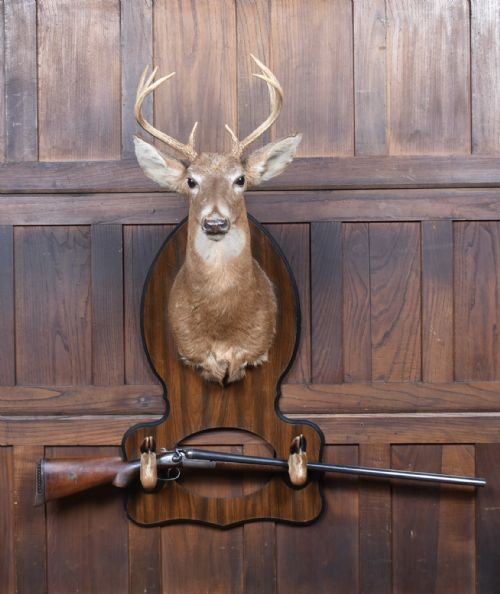
Mounting boards frequently utilise oak and other woods, often carved with foliage or geometric borders to anchor the trophy securely to the wall. Antlers and horns remain attached to frontal bone plates screwed directly into these wooden shields.
Listings feature taxidermy hides and natural fur combined with carved oak shields dating from the nineteenth and twentieth centuries.
Factors determining quality
The distinction between ordinary specimens and exceptional examples lies in the anatomical accuracy and the expression captured by the taxidermist. Superior mounting preserves the natural musculature and alert posture of the animal without distortion.
Workshop provenance heavily influences standing, particularly pieces bearing the signatures or stamps of established establishments like Peter Spicer or Gerrard and Sons. The intricacy of the carved wooden shield and the overall preservation of the hide further distinguish higher grade trophies.
Peter Spicer and Sons·Gerrard and Sons
The Vintage Taxidermy Head Glossary
- Mask
- The head and neck portion of an animal, commonly applied to foxes or otters preserved as wall mounts.
- Shield
- The carved wooden plaque, often oak, upon which a head or set of antlers is mounted for hanging.
- Taxidermy
- The art of preserving, preparing, and mounting animal skins to create a lifelike representation.
- Trophy
- An animal specimen or part, such as horns or a head, retained as a memento of the chase.
Vintage Taxidermy Head: Frequently Asked Questions
How do I hang a heavy taxidermy head safely?
These mounts require sturdy wall fixings anchored directly into masonry or solid studs rather than standard plasterboard hooks. The weight of the oak shield and skull demands substantial support.
Ensure the hanging wire or integrated metal bracket on the reverse is checked for strength before mounting. Positioning the piece away from direct sunlight and strong heat sources protects the hide and natural fur from drying out over time.
How do I distinguish Victorian mounts from later pieces?
Victorian specimens often feature darker, heavier oak shields with deep hand-carving and conventional natural history styling. The taxidermy techniques of the nineteenth century frequently resulted in more rigid forms compared to twentieth-century work.
Examining the fixings on the reverse and any remaining paper labels or maker stamps provides the clearest indication of date. Earlier pieces generally display traditional hand-forged screws and heavier backing boards.
How should I clean a vintage taxidermy mount?
Maintenance requires gentle dusting using a soft brush or a dry cloth to prevent accumulation around the fur and ears. Avoid applying water or chemical cleaning agents directly to the hide.
Regular inspection for pests is essential to protect natural fur and taxidermy materials from damage. Keeping the room at a stable temperature prevents the skin from cracking.