





Wooden Shield Taxidermy Mount
These wooden shield taxidermy mount pieces bring historic sporting trophies straight to your walls with striking natural detail.

Wooden Shield Taxidermy Mount
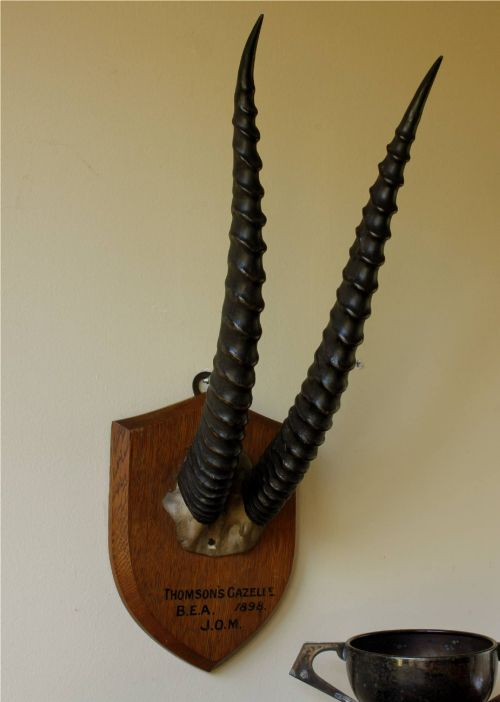
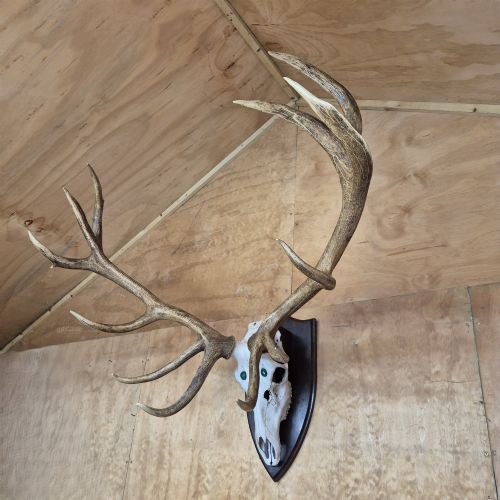
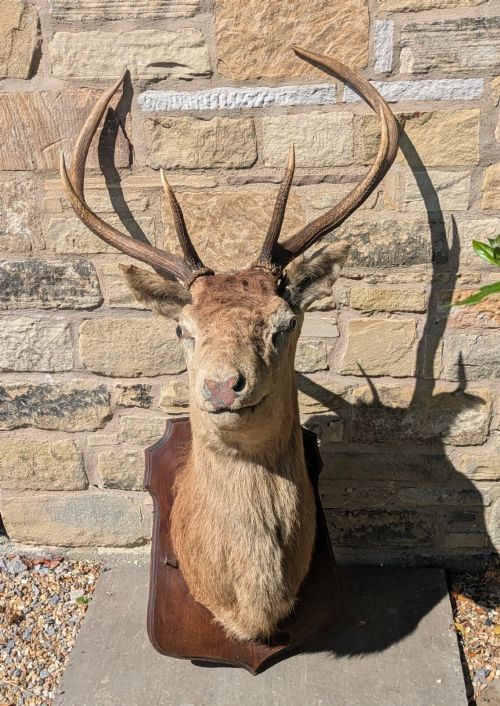
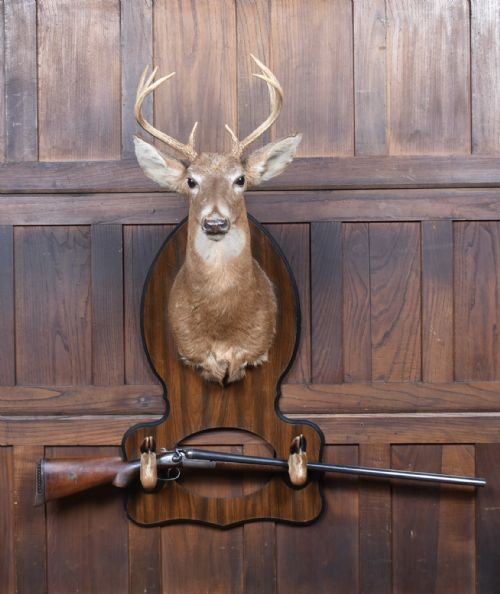
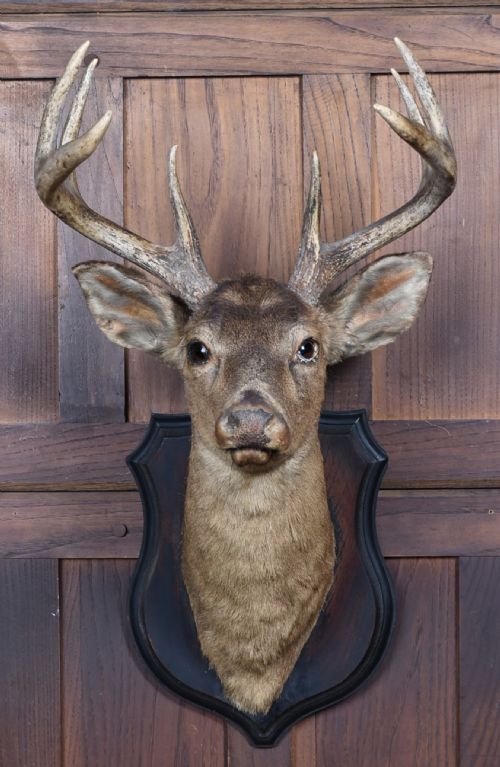
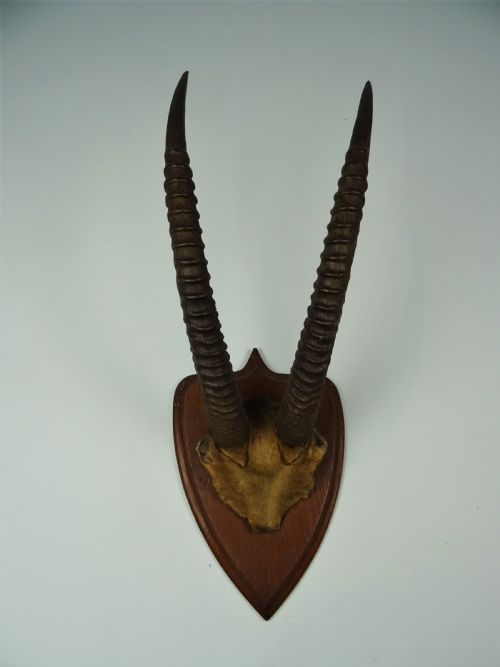
A wooden shield taxidermy mount displays horns, antlers, or full heads fixed onto carved wooden backboards. These pieces capture the sporting traditions of the nineteenth and twentieth centuries through Victorian, Edwardian, and Highland Lodge styles.
Most examples found here span from the late nineteenth century into the mid-twentieth century. Common forms range from simple antelope horn pairs to large red stag and koodoo trophies mounted for wall display as decor.
Originating largely from British sporting and country pursuits, these mounts serve as direct windows into historical taxidermy practices. They transform natural specimens into permanent interior fixtures.
How they were made
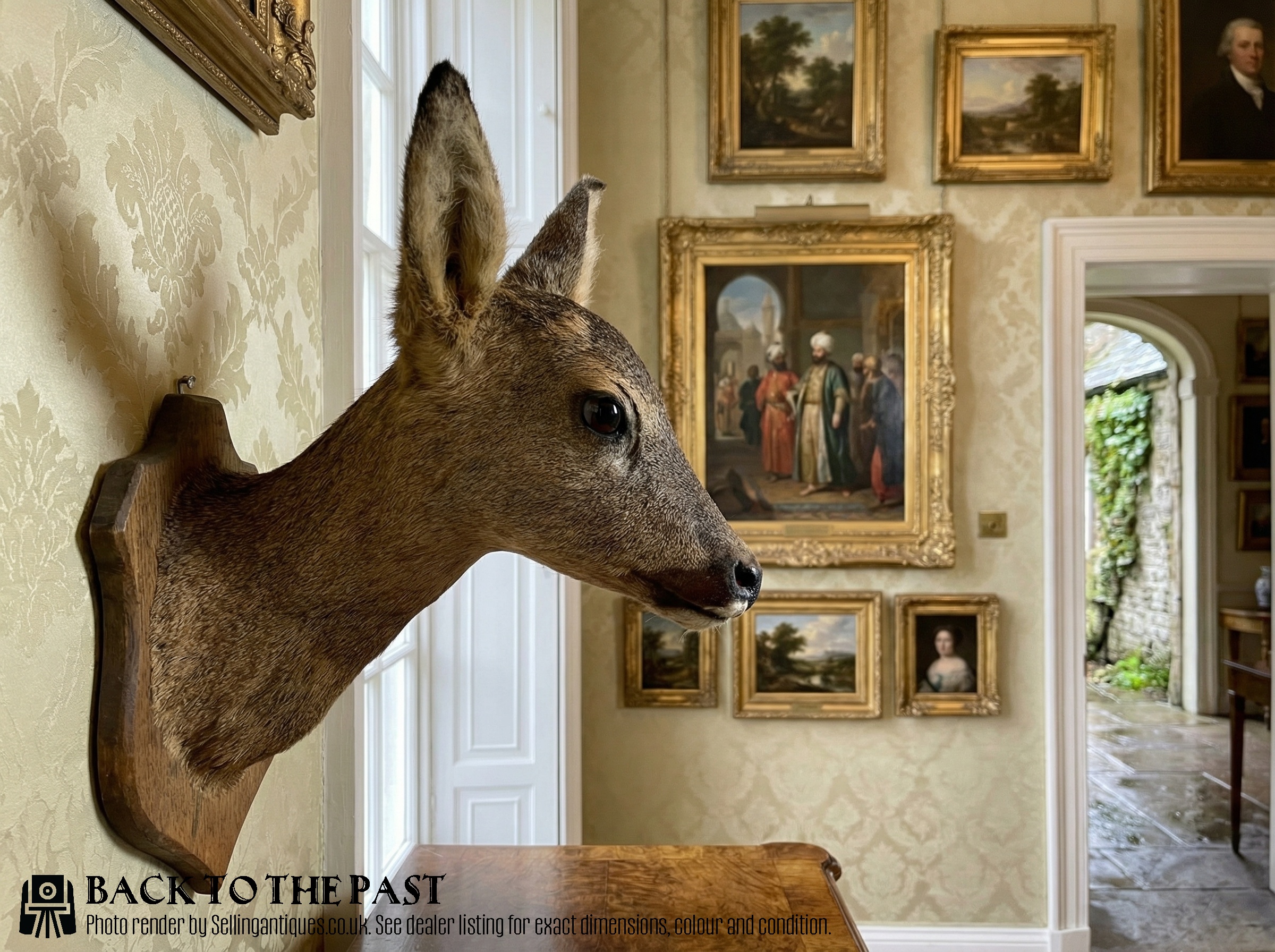
Makers shaped solid woods like oak into shields to serve as stable structural backdrops for heavy animal remains. Taxidermy hide, bone, and natural horn combined with glass eyes to construct convincing animal heads and skull caps.
Skilled taxidermists stretched hides over carved forms while securely fastening antlers and horns directly into the wooden shields. Metal fixings and wall brackets were integrated into the rear timber to support the considerable weight.
Wooden Shield Taxidermy Mount Retail Price Guide 2026
Typical asking prices for wooden shield taxidermy mount among the pieces listed under this phrase on Sellingantiques today, from the lower quarter to the upper quarter. They describe what is for sale here now, not the wider market.
What varies in quality
The carving quality of the wooden shield and the symmetry of the antlers or horns dictate overall visual balance. Finer pieces display careful timber selection alongside well-preserved hides and securely fitted mounts.
Peter Spicer and Sons·Edward Gerrard and Sons
The Wooden Shield Taxidermy Mount Glossary
- Mask
- The mounted head and face of an animal, commonly a fox, preserved and shaped for wall hanging. These capture specific expressions from historical hunts.
- Trophy
- An animal specimen prepared to commemorate a successful hunt or sporting expedition. These items form the core of historical taxidermy collections.
- Antler
- The bony growth shed and regrown annually by members of the deer family. Mounted sets are measured by points and span width.
Wooden Shield Taxidermy Mount: Frequently Asked Questions
How do I hang a heavy mount safely?
These pieces require sturdy wall fixings screwed directly into masonry or wooden wall studs. The weight of the timber shield and antlers demands reliable hardware.
Check the hanging bracket on the reverse before installation to ensure it matches your wall type. Enlisting a second person helps position larger stags securely.
How should I clean the taxidermy hide and horns?
Dust the hair and horns gently using a soft, dry brush or a feather duster. Avoid using water or liquid cleaners on the hide to prevent damage.
Keep the mount away from direct sunlight and damp environments to preserve the natural materials. Regular light dusting is all that is needed for ongoing maintenance.
What is the difference between horns and antlers?
Horns are permanent structures made of keratin grown over bone cores, found on animals like antelope and oryx. They are retained throughout the animal's life.
Antlers are made entirely of bone and are shed and regrown annually by deer species. Stags and roe deer carry these bony growths.
How do I identify a Victorian mount?
Victorian pieces often display darker, heavier oak shields paired with traditional nineteenth-century taxidermy techniques. The craftsmanship reflects the height of British sporting culture.
Look for period documentation or inscriptions on the reverse of the shield. Stylistic cues in the carving also point toward nineteenth-century origins.