



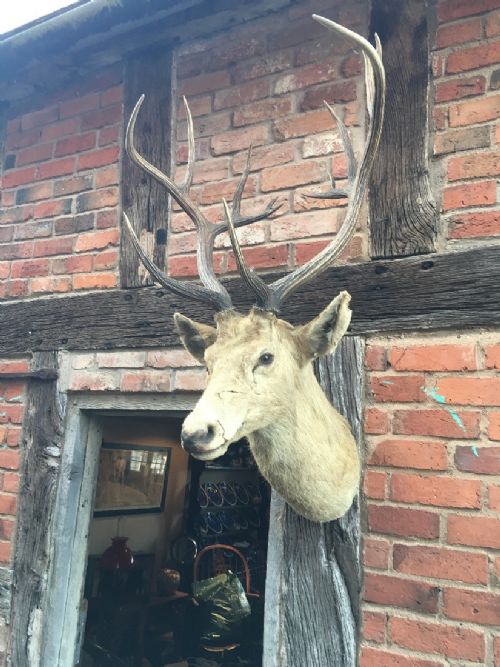
Brown Taxidermy Deer Head
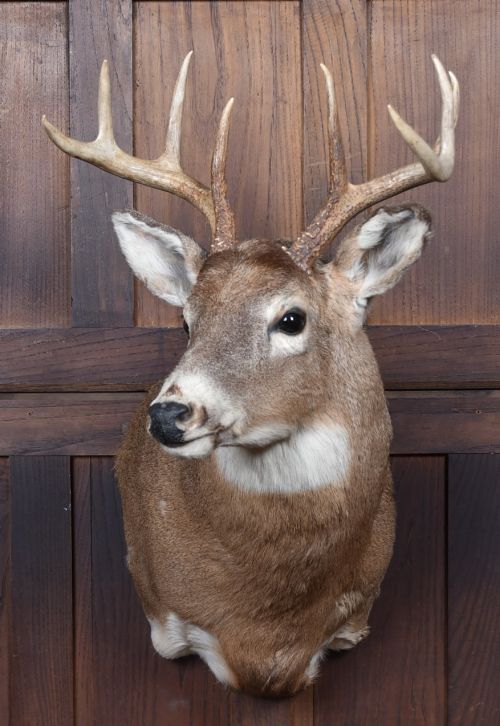
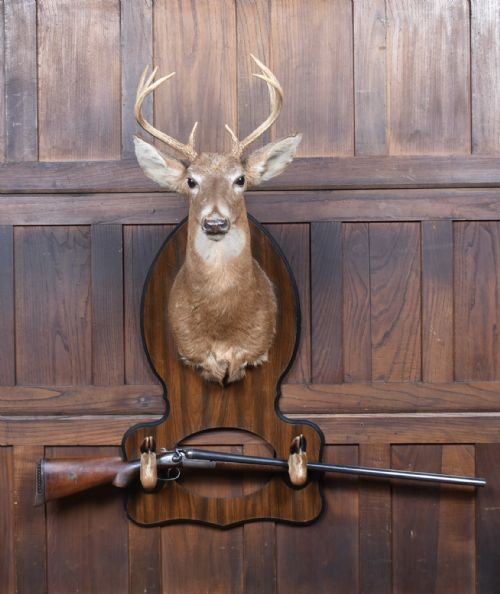
A brown taxidermy deer head brings the character of the nineteenth-century lodge and the Black Forest directly into a modern room.
Brown Taxidermy Deer Head
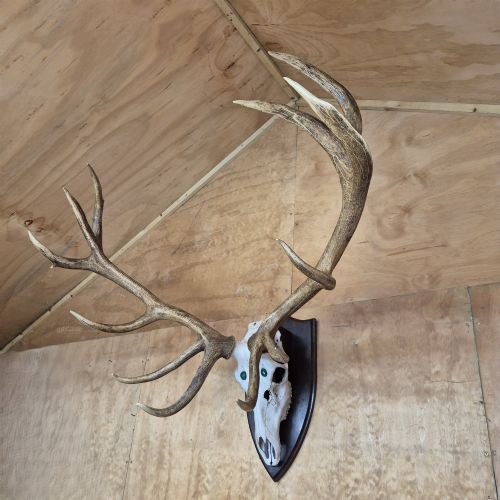
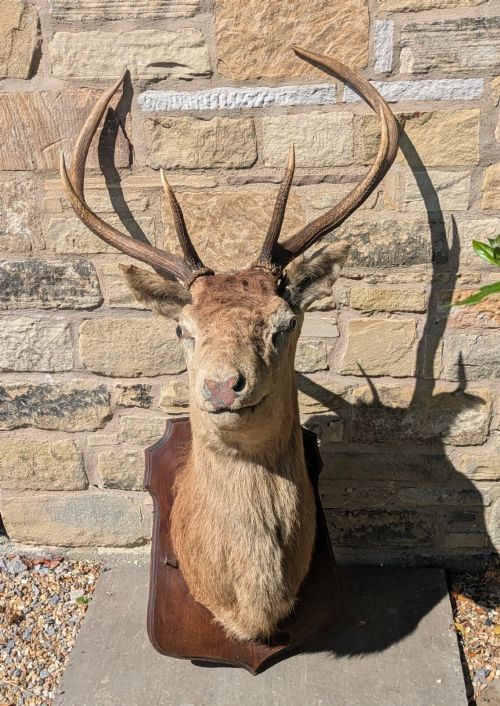
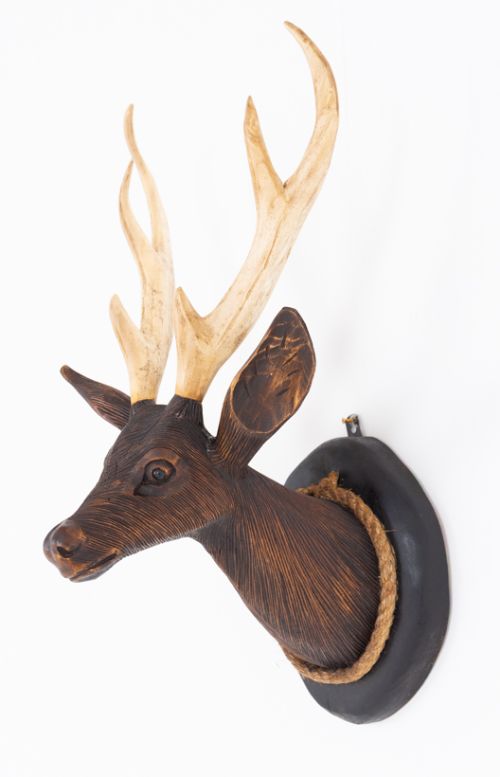
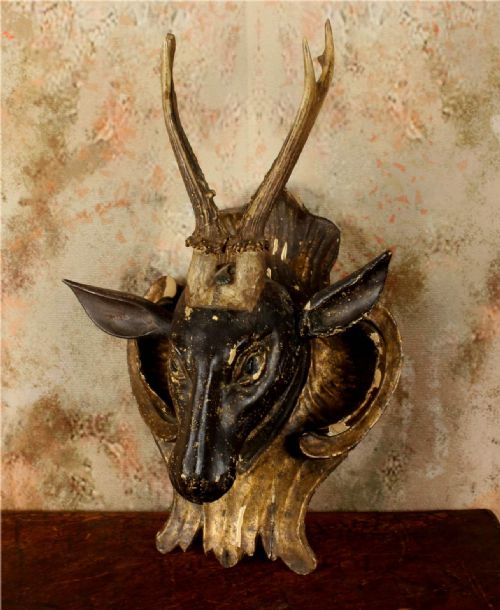
A brown taxidermy deer head represents a tradition of interior wall decoration stretching from the nineteenth century into the twentieth. These pieces take the form of taxidermy mounts and carved wood wall sculptures designed to be hung directly onto domestic walls.
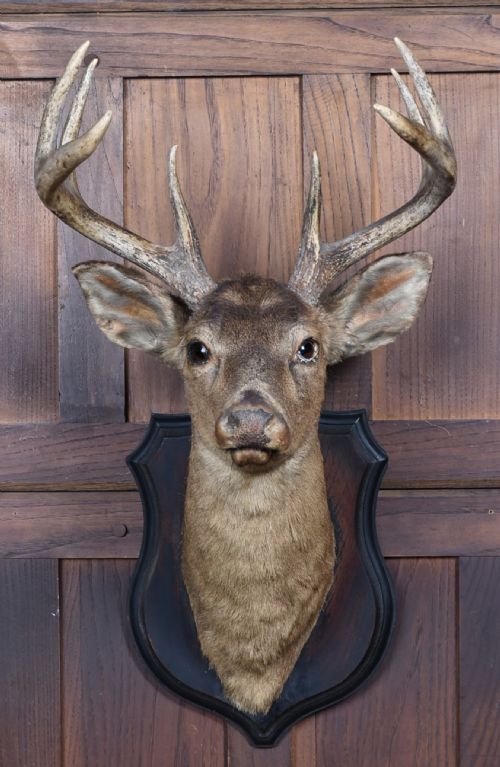
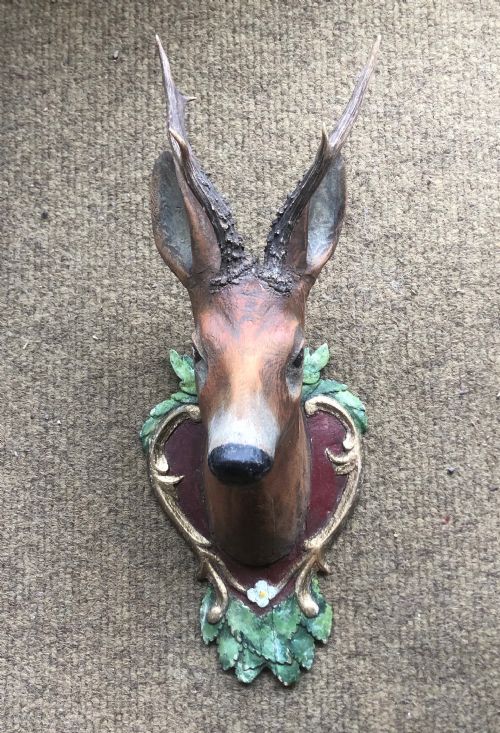
The selections encountered here span styles such as Victorian, Edwardian, and Highland hunting lodge traditions alongside continental Black Forest and folk art interpretations. A buyer typically finds red stag, roebuck, and white-tailed deer mounts presented either on natural skulls and hide or through artisan wood carving.
Many examples are mounted onto carved wooden shields made from oak, providing a structural backplate for the antlers and head. The scale ranges from compact roebuck trophies to large twelve-point red deer antlers spanning over a metre.
How they were made
Taxidermy specimens utilise natural hide, bone, and real antlers preserved and mounted upon supportive internal structures. Glass eyes are frequently employed to restore a lifelike expression to the preserved head.
Carved wood alternatives rely on traditional woodworking techniques, utilising carved oak and various woods shaped with hand chisels. Painted folk art examples incorporate surface pigment applied directly to carved timber figures.
Materials across these listings include natural hide, glass, and carved wood, mounted onto oak shields spanning the nineteenth and twentieth centuries.
What varies in quality
The standard of a brown taxidermy deer head rests on the anatomical proportion of the skull and the symmetry of the antlers. Taxidermy mounts that retain a convincing posture and intact hide distinguish superior specimens from simpler iterations.
The Brown Taxidermy Deer Head Glossary
- Antler
- The bony growth shed and regrown annually by members of the deer family. These form the primary sculptural crown of a taxidermy mount or carved trophy.
- Black Forest
- A nineteenth-century style of intricate wood carving originating from the German region, known for naturalistic animal and foliage motifs.
- Folk Art
- Objects created by self-trained makers or within regional craft traditions rather than formal academic workshops. These pieces often feature simplified or highly stylised forms.
Brown Taxidermy Deer Head: Frequently Asked Questions
How do I hang a heavy deer head securely?
Wall sculptures and taxidermy mounts require sturdy fixings due to the combined weight of the timber shield, skull, and antlers. Locate a solid stud in the wall or utilise heavy-duty wall anchors appropriate for the specific masonry or plaster.
Ensure the mounting bracket or integrated hanging loop on the oak shield engages fully with the screw or hook before releasing the weight of the piece.
How should I care for historic taxidermy hide?
Historic taxidermy requires protection from direct sunlight to prevent the fading of natural brown hide and fur. Keep the mount away from excessive heat sources and sudden temperature shifts.
Dust the surface gently using a soft, dry brush or a low-suction attachment to maintain the condition of the hair and antlers without damaging the material.
How do I identify a Victorian mount?
Victorian and Edwardian taxidermy mounts often feature traditional dark oak shields and formal taxidermy preparation typical of nineteenth-century hunting lodges. The construction methods reflect the prevailing interior aesthetics of the period.
Earlier nineteenth-century examples may display distinct folk art interpretations or regional mounting styles originating from British and continental workshops.