


Vintage Taxidermy Deer Mount
These vintage taxidermy deer mount examples bring historic Highland and continental lodges directly into modern spaces.
Vintage Taxidermy Deer Mount
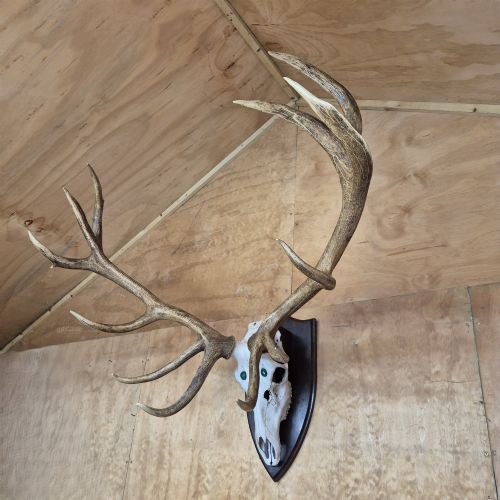
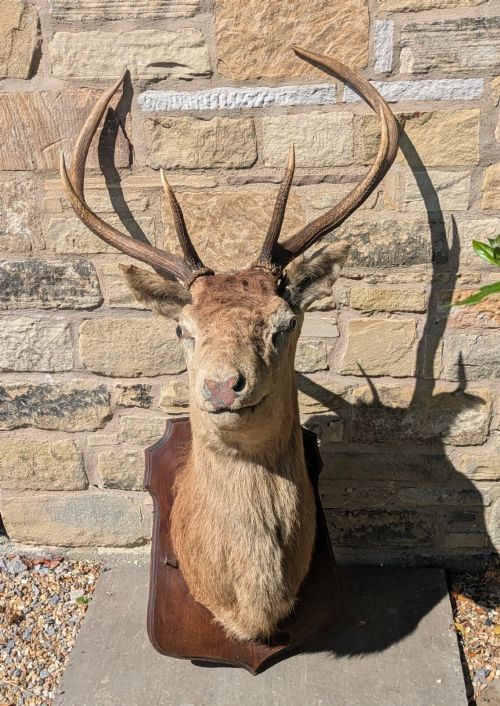
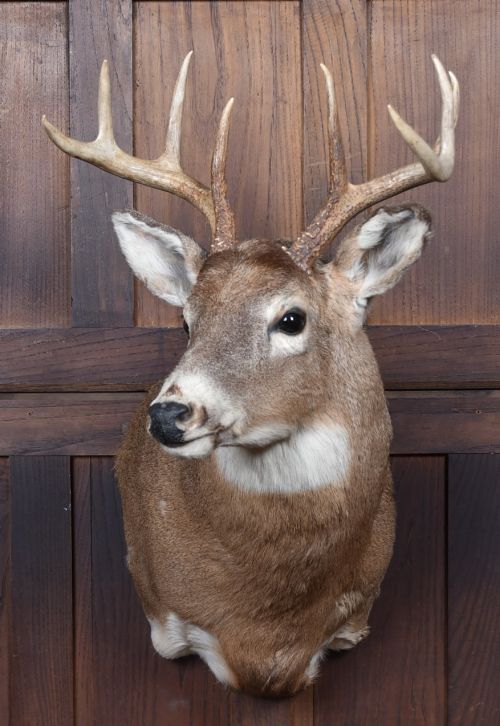
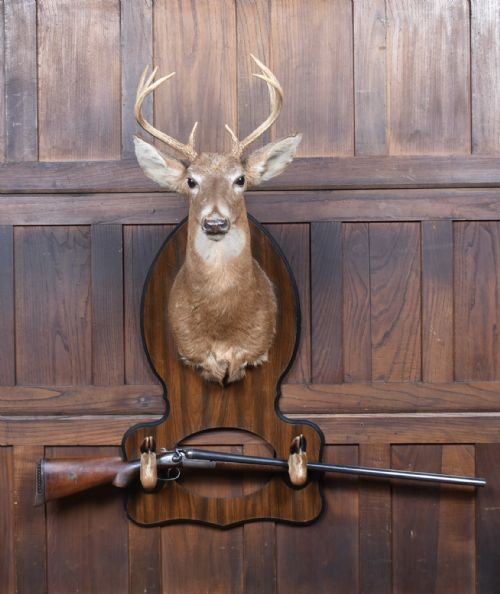
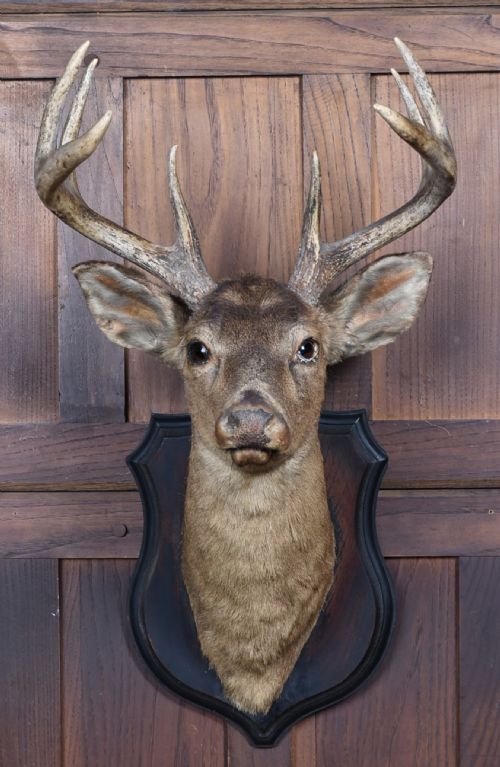
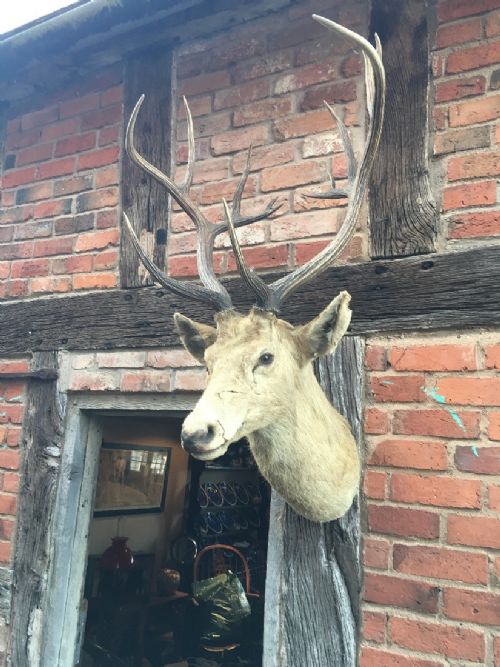
When you search for vintage taxidermy deer mount items, you encounter preserved specimens and related functional pieces dating from the nineteenth century into the twentieth century. These objects include full stag heads, roebuck mounts, antler sets, and carved wooden shields originating from periods such as the Victorian and Edwardian eras.
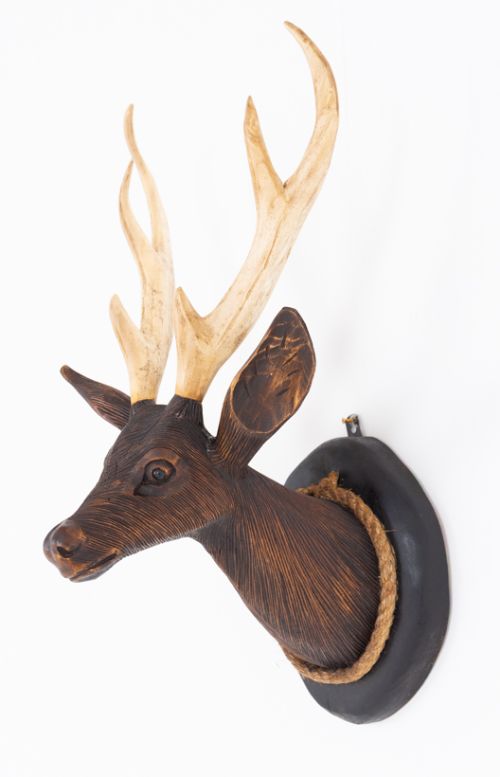
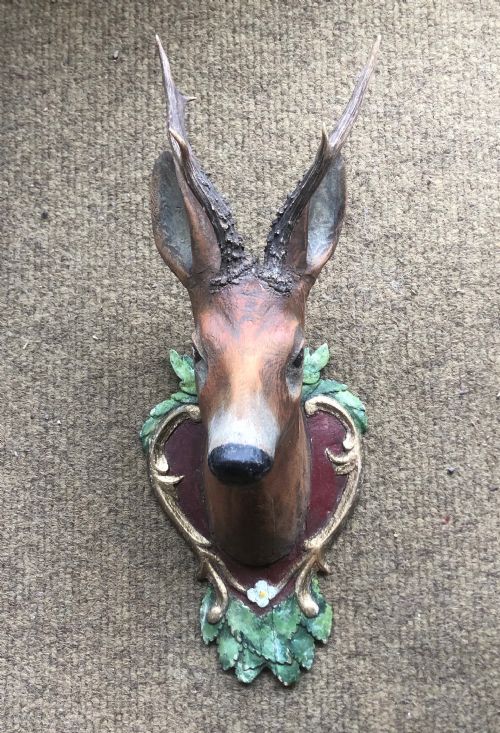
The pieces on this page span several distinct regional styles, notably Black Forest and Highland lodge traditions. You will find wall sculptures alongside utilitarian items like coat racks, table lamps, and inkstands utilising animal parts.
Most examples combine natural elements with carved wood supports, reflecting the sporting aesthetics of their original nineteenth and twentieth-century contexts. They serve primarily as wall mounts and decorative focal points for interior spaces.
How they were made
Taxidermists prepared deer heads and antlers using traditional preservation techniques, mounting the specimens onto wooden shields made from oak and carved wood. Many pieces integrate bone and hide alongside the natural antlers and glass eyes.
Continental and Black Forest workshops applied intricate carving techniques to the wooden mounts, often incorporating foliage or heraldic motifs. Other items feature painted folk art finishes on wood and bone structures.
Historical periods represented span the nineteenth century, Edwardian era, and the 1920s and 1930s.
What varies in quality
The natural condition of the hide, bone, and antler structure dictates much of the physical quality across these mounts. Skilled taxidermy preserves the realistic proportions and expression of the animal, while older nineteenth-century specimens show the specific abilities of period practitioners.
The craftsmanship of the wooden support elements also differentiates the pieces. Finely carved oak shields and detailed Black Forest woodwork elevate the overall presentation compared to plain or heavily restored backings.
The Vintage Taxidermy Deer Mount Glossary
- Taxidermy
- The art of preparing, stuffing, and mounting the skins of animals with lifelike effect. This practice forms the basis of all mounted heads and trophies found in these collections.
- Black Forest
- A nineteenth-century style originating in Germany and Switzerland known for ornate wood carvings of animals and foliage. Pieces in this style feature deeply carved oak mounts.
- Roebuck
- A small species of deer frequently featured in European taxidermy. Roebuck mounts often appear on carved wooden shields from the early twentieth century.
- Antler
- The bony growth shed and regrown by deer annually, which forms the primary focal point of most trophy mounts. Antlers are counted by their points to describe the size of the set.
Vintage Taxidermy Deer Mount: Frequently Asked Questions
How do I hang a heavy deer mount?
Most large wall sculptures require secure fixings into structural wall studs due to the combined weight of the timber shield and preserved head. Using appropriate masonry or timber screws ensures the mount remains stable.
Position the piece at a height where the head can be viewed clearly, taking into account the projection of the antlers into the room.
Are these mounts from the Victorian period?
Several pieces originate from the nineteenth century, including the Victorian and Edwardian eras, while others date to the 1920s and 1930s. The dates reflect the active periods of taxidermy production recorded in the evidence.
Stylistic indicators such as carved oak shields and Black Forest motifs help identify these historical periods.
How should I clean antique taxidermy?
Gentle dusting with a soft brush helps maintain the surface of the hide and antlers without damaging fragile historical materials. Avoid using chemical cleaners or excessive moisture on preserved specimens.
Keeping the mounts away from direct sunlight and damp conditions preserves the condition of the hair and wood over time.
What is a Black Forest deer mount?
Black Forest mounts originate from central European workshops known for intricate, naturalistic wood carving. These pieces feature elaborately carved wooden shields decorated with leaves and branches.
The regional style is distinct from traditional Scottish Highland lodge taxidermy.
Can I use a deer hoof lamp safely?
Antique lamps made from deer hooves utilise historical electrical fittings that should be inspected by a qualified professional before use. Rewiring ensures the piece meets current safety standards while retaining its original appearance.
These functional items combine taxidermy elements with domestic lighting from the late nineteenth century.