


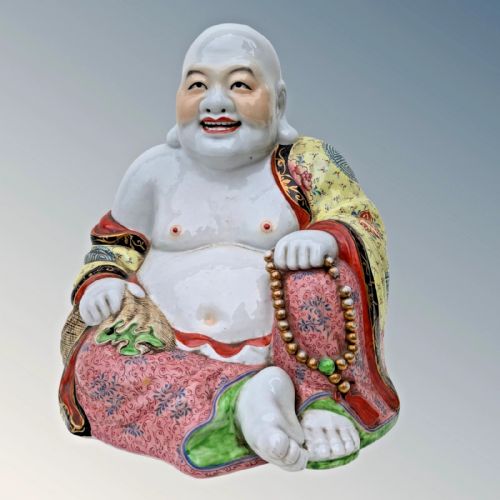
Oriental Porcelain Statue
When you handle an oriental porcelain statue, you hold centuries of firing skill and traditional iconography in clay and glaze.
Oriental Porcelain Statue
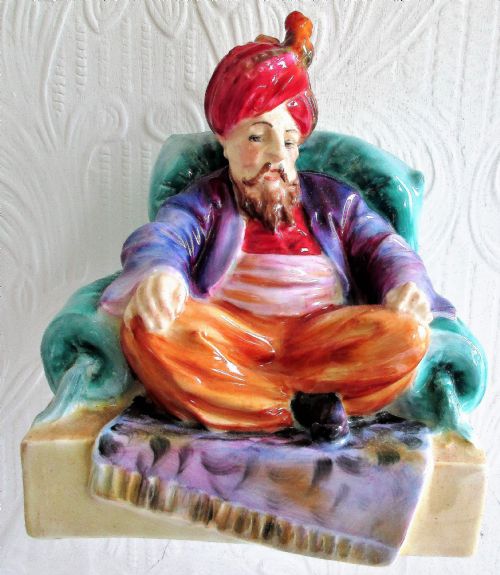
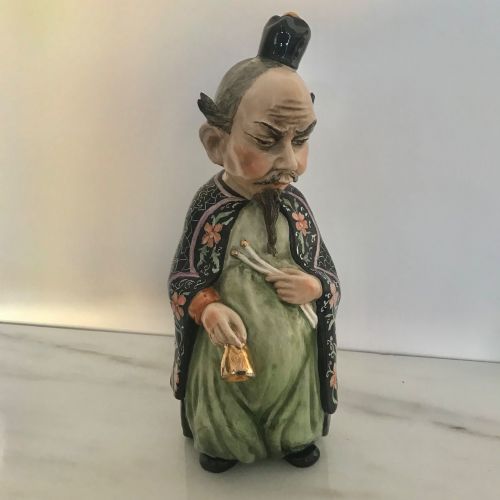
An oriental porcelain statue encompasses figures, figurines, and sculptures originating from East Asian traditions, predominantly Chinese and Japanese workshops. Buyers seeking an oriental porcelain statue will encounter depictions of deities, immortals, animals, and cultural figures spanning multiple centuries.
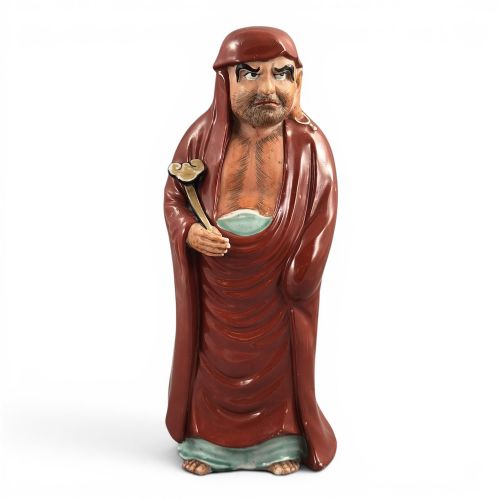
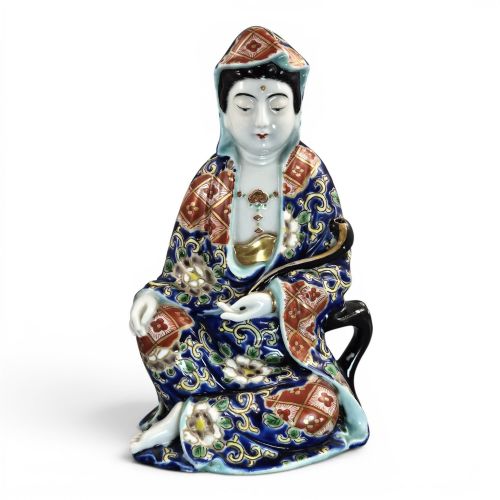
The selections available here lean heavily toward pieces from the nineteenth and early twentieth centuries, including Japanese Meiji period works and Chinese Qing Dynasty pieces. Common subjects range from Buddhist deities such as Kannon and Guanyin to secular figures, guardian lions, and ducks modelled in porcelain, earthenware, and ceramic.
Materials and construction
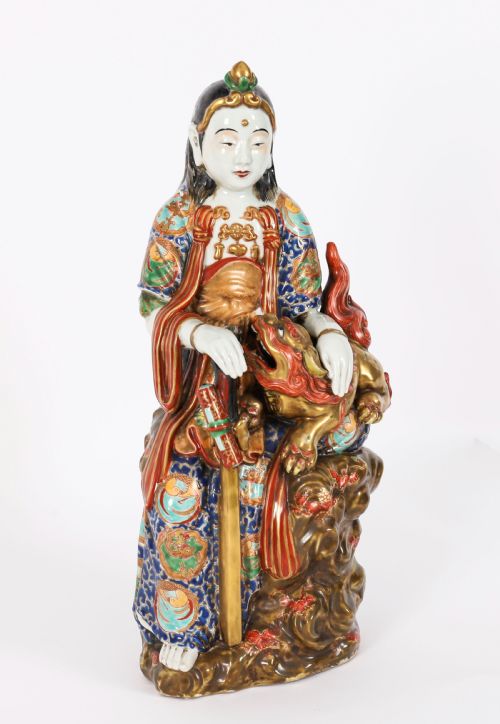
Makers utilised fine porcelain, ceramic, and earthenware bodies shaped into complex figurative forms, often strengthened with glazes and enamel decoration. Techniques included hand-painting with enamel glaze, applying gold leaf details, and utilising specialist regional kilns such as Kutani and Satsuma.
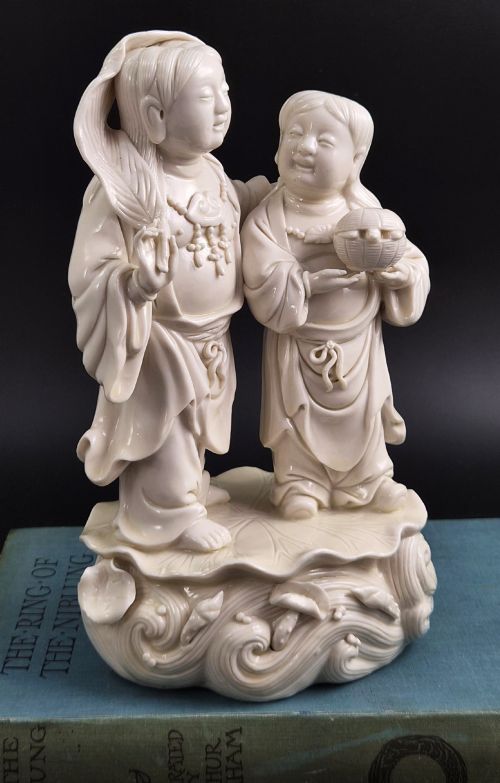
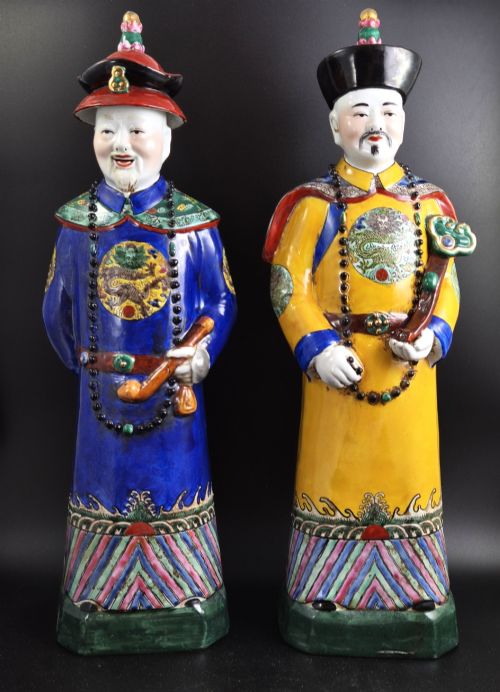
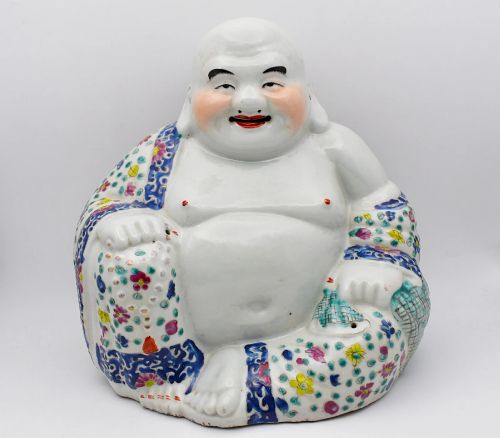
Potters achieved distinctive finishes through specialised firing methods, producing monochrome green glazes, turquoise surfaces, and multicolored famille rose or wucai palettes. Details such as robes, hair, and facial expressions were meticulously hand-finished prior to the final kiln process.
Oriental Porcelain Statue Retail Price Guide 2026
Typical asking prices for oriental porcelain statue among the pieces listed under this phrase on Sellingantiques today, from the lower quarter to the upper quarter. They describe what is for sale here now, not the wider market.
The selection includes traditional Japanese Meiji period okimono alongside Chinese Qing Dynasty immortal figures and guardian lions.
Assessing the work
The refinement of the ceramic body and the depth of the glaze further distinguish standard production from exceptional studio outputs. Pieces originating from recognised kiln traditions or bearing identifiable maker marks exhibit superior artistic ambition in their sculptural forms.
Makuzu Kozan II·Zhu Mao Ji·Fujian Huiguan
The Oriental Porcelain Statue Glossary
- Okimono
- A Japanese term for a decorative freestanding sculpture or figurine, usually displayed in an interior setting. These pieces were produced in large numbers during the Meiji period for both domestic and export markets.
- Famille Rose
- A prominent palette of opaque enamel colours introduced in Chinese ceramics during the Qing dynasty, featuring pink or rose tones. This technique allowed artists to create delicately shaded floral and figurative designs.
- Guanyin
- The East Asian bodhisattva of compassion, frequently rendered in porcelain sculpture across Chinese and Japanese traditions. Figures typically depict the deity holding symbols such as a fish basket or standing upon a lotus.
- Kutani
- A style of Japanese coloured porcelain originating from Kaga province, known for vibrant enamel work and extensive use of gold leaf. Pieces from this tradition often represent deities, immortals, and traditional figures.
- Sancai
- A traditional three-colour glaze type used in Chinese pottery and porcelain, predominantly incorporating green, amber, and cream tones. This technique frequently appears on models of animals and guardian figures.
Oriental Porcelain Statue: Frequently Asked Questions
What is an oriental porcelain statue?
An oriental porcelain statue is a ceramic or porcelain figure originating from China or Japan, depicting cultural icons, animals, or deities.
These sculptures range from small tabletop ornaments to large hand-painted figures created for export and domestic use.
How do I identify the period of my figure?
Dating relies on stylistic markers, glaze types, and specific regional aesthetics associated with eras such as the Meiji period or Qing Dynasty.
Examining the base and the application of enamel colours helps connect pieces to established manufacturing periods.
Where were these statues made?
Production centres included notable Japanese kilns such as Kutani and Satsuma, alongside historic Chinese kilns and ceramic workshops.
Each region developed distinct approaches to clay bodies, glazing techniques, and figurative subjects.
How should I care for porcelain figures?
Maintenance involves gentle dusting with a soft, dry cloth to protect delicate enamel decoration and gold leaf details.
Keeping pieces away from direct sunlight and temperature fluctuations preserves the integrity of the glaze.