

Antique Japanese Statue
An antique japanese statue brings the precise observation of Meiji period artisans into your interior through cast bronze, carved wood and porcelain.
Antique Japanese Statue
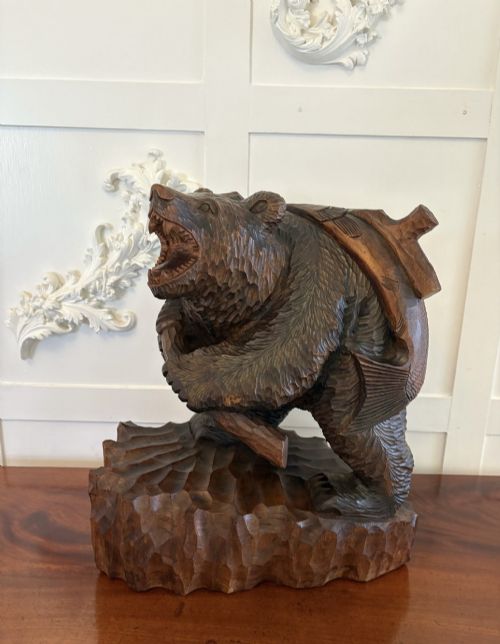
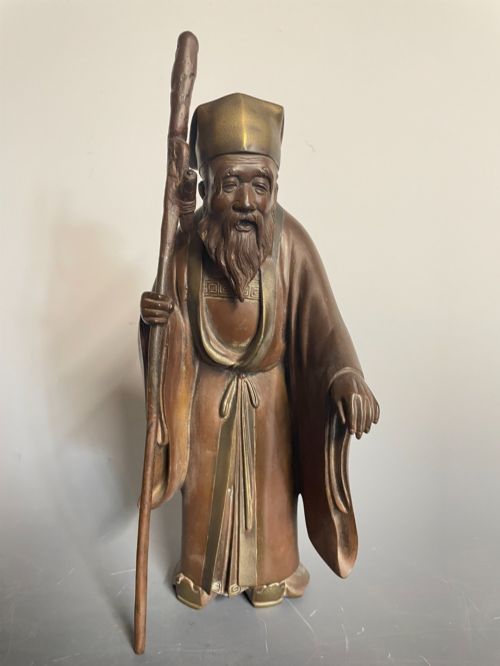
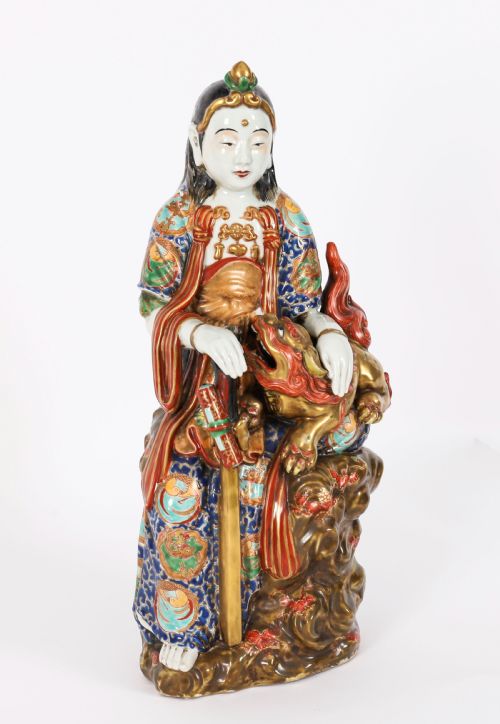
When you search for an antique japanese statue, you encounter sculptural works created during the Meiji, Taisho, and Edwardian eras, spanning cast bronzes, carved hardwoods, and glazed porcelain figures. The selection includes okimono designed for display, temple figures representing Buddhist deities, and folk art carvings originating from regional traditions.
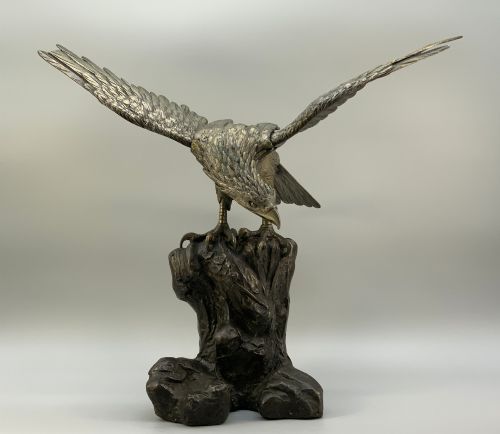
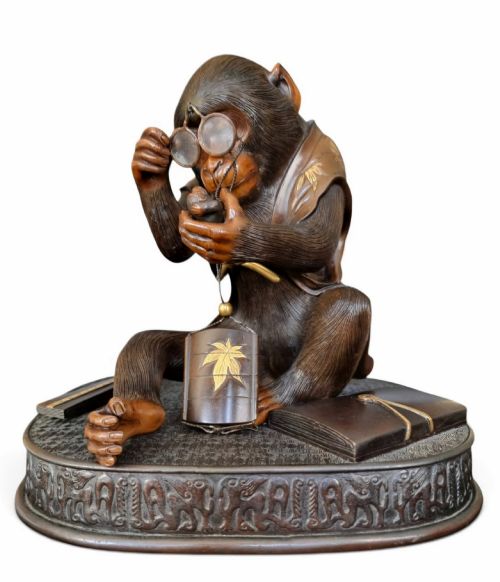
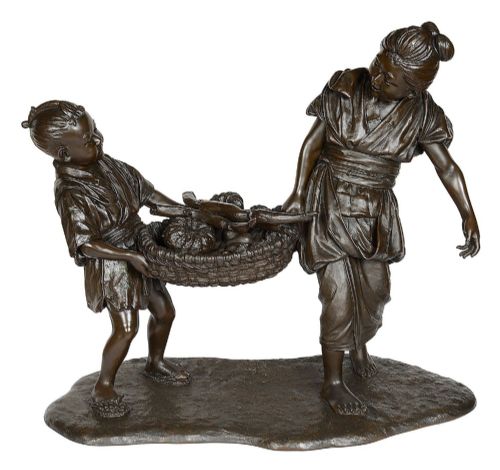
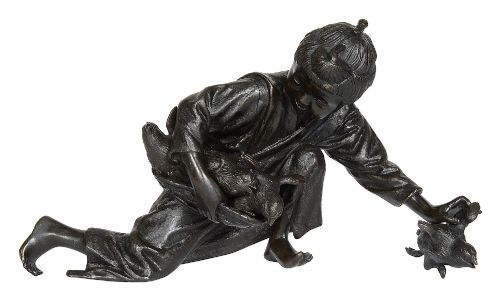
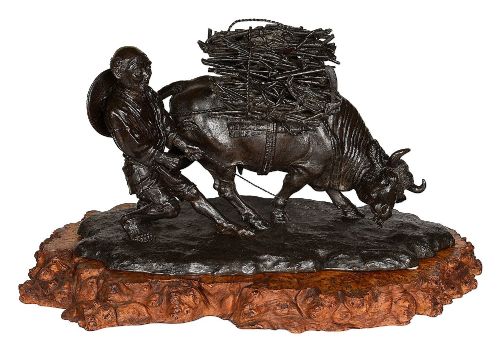
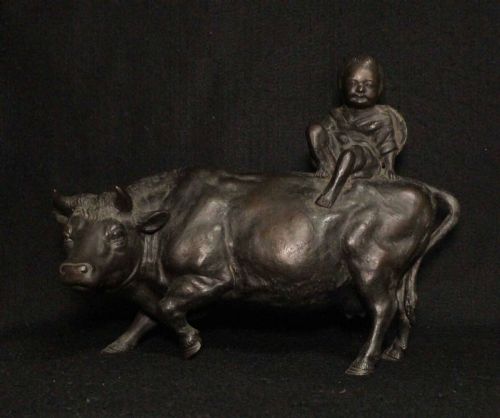
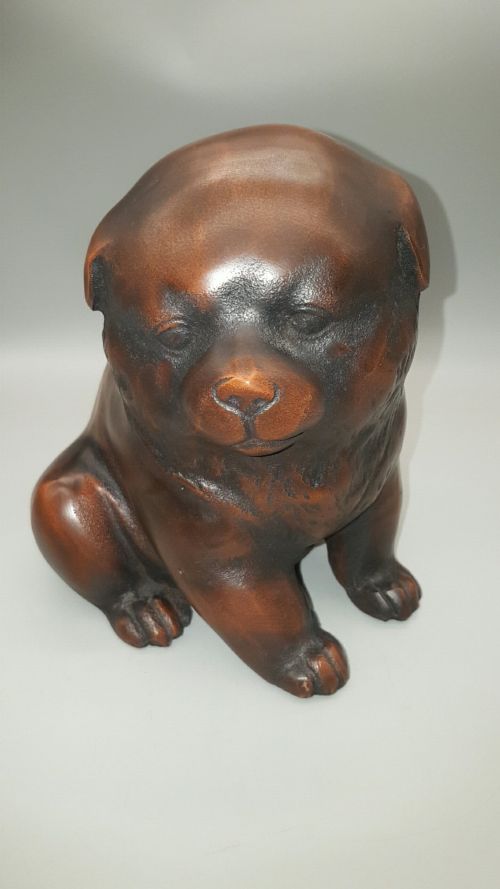
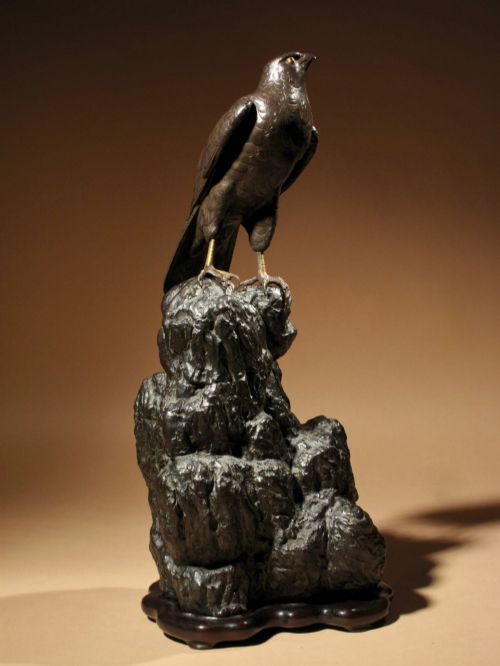
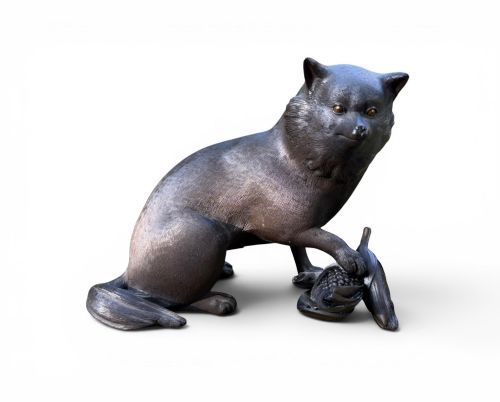
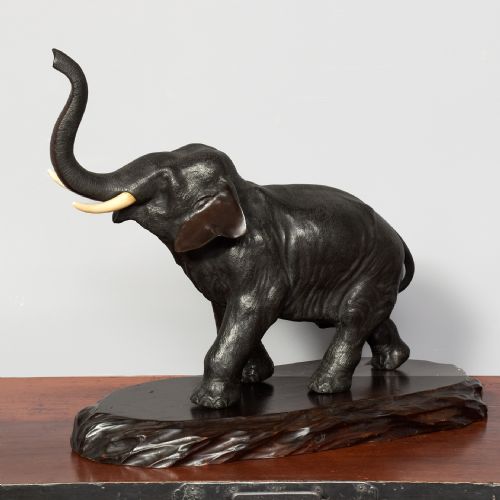
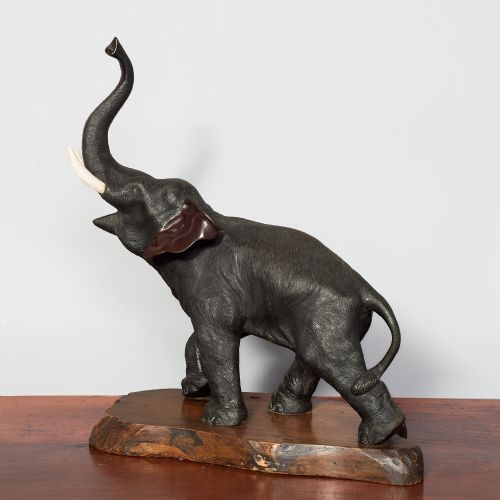
Bronze sculptures dominate the offerings, frequently depicting animals such as elephants, tigers, monkeys, and bears alongside human subjects engaged in daily labour or mythological narratives. Porcelain representations from Kutani and Satsuma appear alongside carved linden and hardwood figures, ranging from miniature netsuke to large statement pieces.
How they were made
Bronze figures utilise lost-wax casting methods combined with patination and mixed-metal inlay techniques, sometimes incorporating shakudo highlights and ivory elements. Makers achieved subtle surface textures on animal pelts and plumage through meticulous chasing and engraving following the initial cast.
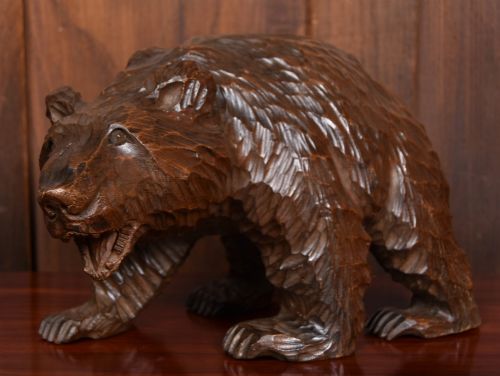
Wooden sculptures rely on hand-carving techniques applied to native timbers like linden and hardwood, occasionally employing the nata-tsukuri style of hatchet work for a faceted surface. Ceramic pieces combine moulded earthenware or porcelain bodies with hand-painting, enamel decoration, and gold leaf application before high-temperature firing.
Antique Japanese Statue Retail Price Guide 2026
Typical asking prices for japanese statue among the pieces listed under this phrase on Sellingantiques today, from the lower quarter to the upper quarter. They describe what is for sale here now, not the wider market.
Listings span the nineteenth and early twentieth centuries, featuring bronze, porcelain, and carved wood across Meiji and Taisho styles.
What varies in quality
The distinction between ordinary production and masterwork execution rests in the anatomical precision of the subject and the depth of the metal patination or wood carving. Top-tier examples show individual muscle tension in fighting animals, naturalistic movement in drapery, and confident signatures from acknowledged masters.
Simpler decorative figures exhibit coarser finishing on unseen surfaces and repetitive moulding rather than individual hand-chasing. The integration of mixed metals, such as silver and gold highlights on bronze bodies, elevates the complexity and artistic merit of a piece.
Jomi Eisuke·Tsunemitsu·Kunio Itô·Makuzu Kozan II·Tomochika
The Antique Japanese Statue Glossary
- Okimono
- A decorative object or sculpture intended for display in a household tokonoma alcove. These freestanding figures range from small ivory carvings to large bronze animal studies.
- Meiji Period
- The era of Japanese history lasting from 1868 to 1912, characterised by opening trade with the West and the flourishing of decorative metalwork and sculpture.
- Shakudo
- A traditional Japanese billon alloy of copper and a small percentage of gold, treated to produce a dark blue-black patina resembling lacquer.
- Kibutsu
- Ceramic vessels, though in the context of these listings, ceramic figures from kilns such as Kutani and Arita take precedence.
- Kibori Kuma
- A carved wooden bear, typically holding a fish in its mouth, originating from the folk art traditions of Hokkaido.
Antique Japanese Statue: Frequently Asked Questions
What is an okimono?
An okimono is a standalone ornamental carving or bronze figure created specifically for display in a traditional Japanese interior.
Unlike religious statues meant for veneration, these pieces celebrate nature, folklore, and everyday life with high craftsmanship.
How do I identify Meiji bronze?
Meiji period bronzes often feature rich dark patination, intricate chased details, and sometimes signatures or seals cast into the base.
Many depict dynamic natural scenes like animals in combat or precise studies of insects and birds.
Are Kutani porcelain figures marked?
Many Kutani porcelain figures carry kiln marks or painter signatures on the underside, though unmarked decorative pieces also exist.
They are distinguished by vibrant overglaze enamel colours, frequently featuring red and gold details.
How should I clean carved wood?
Carved wooden sculptures and bears require gentle dusting with a soft, dry brush to protect the patina and natural wood grain.
Avoid liquid cleaners and wax applications unless recommended by a professional conservator.