


Japanese Ceramic Figurine
A Japanese ceramic figurine brings the intricate detail of Meiji and Edo artistry into the room.
Japanese Ceramic Figurine
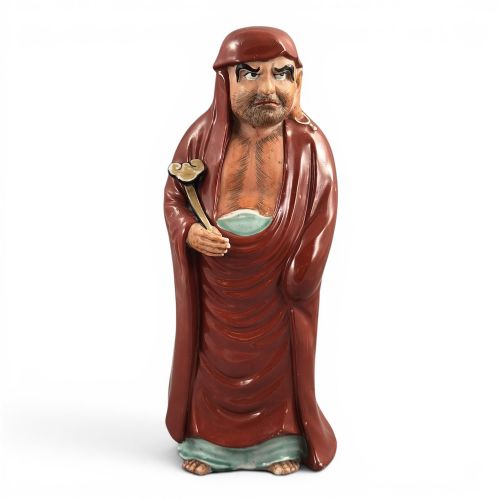
When you search for a japanese ceramic figurine, you encounter sculptural works spanning the eighteenth century through the Taisho period. These pieces depict deities, historical figures, legendary courtesans, and animals modelled in porcelain and earthenware.
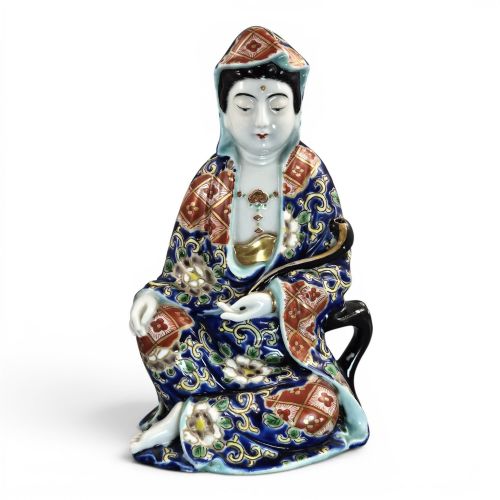
The selections available here range from Kutani deities and Satsuma immortals to Hirado guardian lions and Bizen figures. Most examples date from the nineteenth century, particularly the Meiji period, reflecting a rich tradition of decorative sculpture.
Kutani and Satsuma wares dominate the selection, often featuring elaborate enamel painting and gold gilt highlights. Alongside these, delicate Hirado porcelain pieces and earthy Bizen models demonstrate the diverse regional techniques of Japanese ceramicists.
Materials and Construction
Potters utilised porcelain, earthenware, and fine clays to form these figures, applying glazes and cobalt underglaze before kiln firing. Enamel colours and gold leaf were frequently added in subsequent decorating stages to create richly textured surfaces.
Moriage techniques built up raised dots of slip to add tactile detail to robes and decorative borders. Artists combined meticulous hand-modelling with precise brushwork, ensuring each sculpture displayed distinct character and depth.
Materials recorded include porcelain, earthenware, enamel, gold leaf, and cobalt underglaze.
Assessing Craftsmanship
Quality rests in the precision of the modelling and the fineness of the hand-painted details. Superior pieces display crisp facial expressions, well-defined drapery folds, and controlled application of enamel and gold gilt.
The finesse of the glaze and the stability of the ceramic body distinguish finer works from simpler commercial output. Signatures from recognised makers and kilns further elevate the standing of a piece within its tradition.
Makuzu Kozan II·Kizan·Mikawachi Kilns
The Japanese Ceramic Figurine Glossary
- Okimono
- A Japanese decorative figurine or small sculpture intended for display in an alcove or on a shelf. These freestanding figures often depict deities, historical persons, or animals.
- Kutani
- A style of Japanese porcelain and pottery known for vibrant enamel colours and extensive use of gold. Kutani figures frequently represent Buddhist deities and legendary figures.
- Satsuma
- Earthenware pottery featuring an ivory-coloured, crackle-glaze finish decorated with elaborate enamels and gilding. Satsuma figures commonly portray immortals, courtiers, and animals.
- Moriage
- A ceramic decorating technique where slip is piped onto the surface to create raised, beaded, or textured patterns. This method adds significant tactile depth to garments and ornamentation.
- Bizen
- A type of Japanese stoneware fired without glaze, relying on the effects of wood-burning kilns and iron-rich clay. Bizen figures, such as lion dogs, exhibit natural earth tones and subtle surface variations.
Japanese Ceramic Figurine: Frequently Asked Questions
What do Kutani figures typically represent?
Kutani figures frequently portray figures from Buddhist and folk traditions, including deities such as Kannon, Jurojin, and Daruma. These subjects embody longevity, mercy, and wisdom in Japanese culture.
Craftsmen rendered these subjects with bold enamel palettes and intricate gold detailing to accentuate their traditional vestments and attributes.
What is an okimono?
An okimono is a standalone decorative sculpture designed for interior display rather than use in formal tea ceremonies. They became widely produced during the Meiji period for both domestic appreciation and export.
These pieces capture a vast array of subjects, from legendary figures to domestic animals, modelled with careful attention to posture and expression.
How can one identify Meiji period ceramics?
Meiji period ceramics reflect the opening of Japan to Western trade, combining traditional iconography with heightened decorative complexity. Many pieces from this era bear maker signatures or kiln marks corresponding to late nineteenth-century production.
The use of rich moriage, dense gilding, and expressive modelling distinguishes these works from earlier Edo period examples.