


Edo Period Figurine
An edo period figurine brings traditional Japanese artistry into the home, capturing cultural stories and everyday figures through careful carving and moulding.
Edo Period Figurine
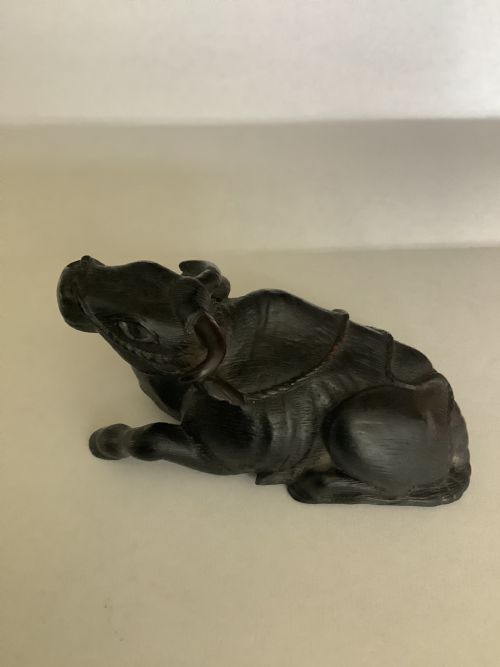
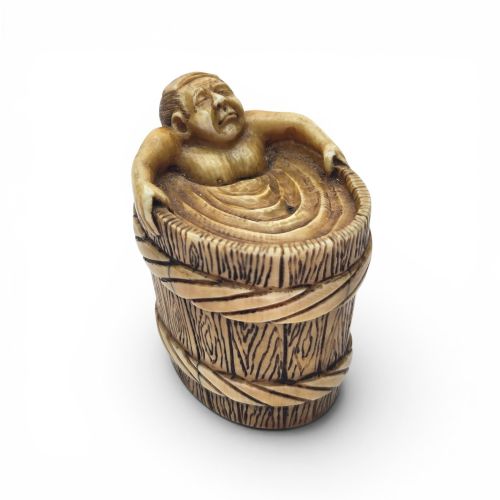
The objects take many shapes, ranging from functional netsuke fasteners carved as animals and bathers to porcelain guardian lions and monks. Common subjects include religious figures like Daruma alongside playful depictions of children, cats, and mythical creatures.
Most examples originate from Japanese kilns or workshops, utilising traditional materials suited for intimate display. They provide a direct tangible link to historical Japanese craftsmanship without requiring large spaces for display.
Materials and construction methods
Carvers shaped organic materials such as boxwood, cherry amber, carved bone, and stag antler using sharp handheld knives and chisels. These wooden and antler pieces rely on patient hand-carving to reveal intricate surface details and textures.
Potters formed porcelain figures using local clays, firing them in kilns before applying detailed enamel decoration and glazes. Hirado and Satsuma wares demonstrate this refined ceramic tradition through controlled high-temperature firing and delicate brushwork.
A curled cat carved from cherry amber proves that historical artisans delighted in capturing domestic comfort just as much as mythical demons.
Factors influencing quality and execution
The fineness of the carving or moulding dictates the distinction between standard items and superior works. Master carvers achieved remarkable expression in miniature forms, whereas lesser pieces show softer contours and less refined finishing.
Signatures by recognised artists or reputable schools elevate the standing of a piece, showing intentional authorship. Additionally, the preservation of original surfaces, polished patinas, and intact enamel decoration determines the desirability of surviving examples.
Mikawachi Kilns·Satsuma
The Edo Period Figurine Glossary
- Netsuke
- A small carved toggle used to secure a pouch or basket to the sash of a traditional Japanese kimono. These miniature sculptures often feature elaborate carvings of animals, humans, and mythical figures.
- Hirado
- A type of fine Japanese porcelain produced in the Nagasaki prefecture, known for its bright white body and subtle blue underglaze painting. Figures from these kilns frequently depict animals and guardian lions.
- Satsuma
- Japanese pottery featuring a fine crackle-glaze earthenware body decorated with polychrome enamels and gilding. These works often represent monks, deities, and cultural figures.
- Karashishi
- A traditional Japanese guardian lion dog symbolizing protection and warding off evil spirits. They appear frequently in both porcelain and carved wooden sculptures.
- Stag antler
- A dense natural material utilised by carvers to create durable netsuke and small ornaments. The exterior surface often retains its natural texture while the carved areas reveal smooth bone.
Edo Period Figurine: Frequently Asked Questions
What is an edo period figurine?
These pieces are small sculptural works, including netsuke, porcelain animals, and ceramic monks, originating from or bridging the Edo and Meiji eras in Japan.
They represent traditional Japanese iconography, folklore, and everyday subjects rendered in wood, bone, stag antler, and porcelain.
How were these figures used?
Many items like netsuke served a practical function as toggles fastened to kimono sashes to hold personal belongings securely.
Other ceramic figures acted as decorative ornaments within domestic interiors, shrines, or scholarly spaces to display cultural and religious motifs.
How do I care for wooden figurines?
Keep wooden and organic sculptures away from direct sunlight and extreme humidity fluctuations to prevent the material from drying out or splitting.
Dust them gently with a soft, dry brush and avoid applying liquid polishes or chemical cleaners that might damage the historical surface patina.
How do I distinguish materials?
Porcelain figures exhibit a glazed ceramic body that feels cool and smooth, often showing fine crackle glazes in Satsuma wares.
Organic materials like boxwood and stag antler reveal natural grain patterns, fibrous textures, or bone structures under close examination.