


Taisho Period Porcelain
Taisho period porcelain pieces bring together vibrant enamel palettes and delicate gilding from a distinct era of Japanese ceramic artistry.
Taisho Period Porcelain
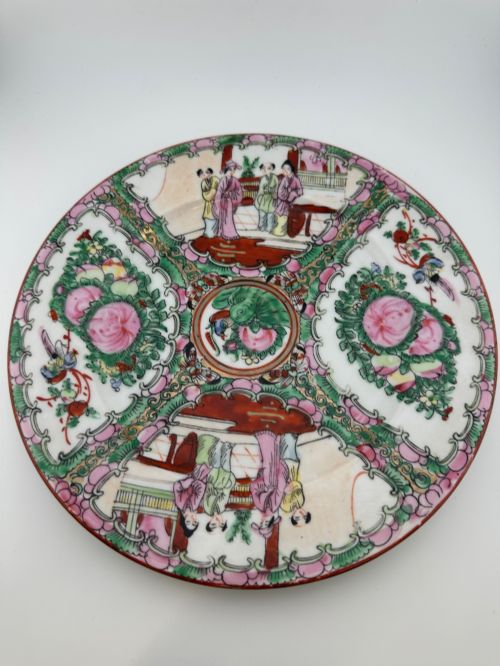
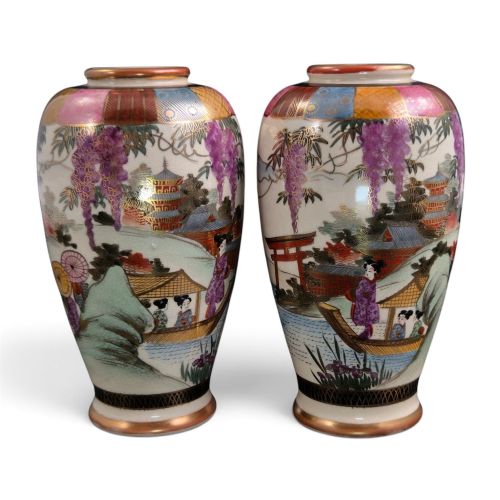
When you search for taisho period porcelain, you encounter a selection of vessels, chargers, and figures originating from Japan during the early twentieth century. The items listed span decorative plates, vases, and ceramic figurines decorated in traditional styles.
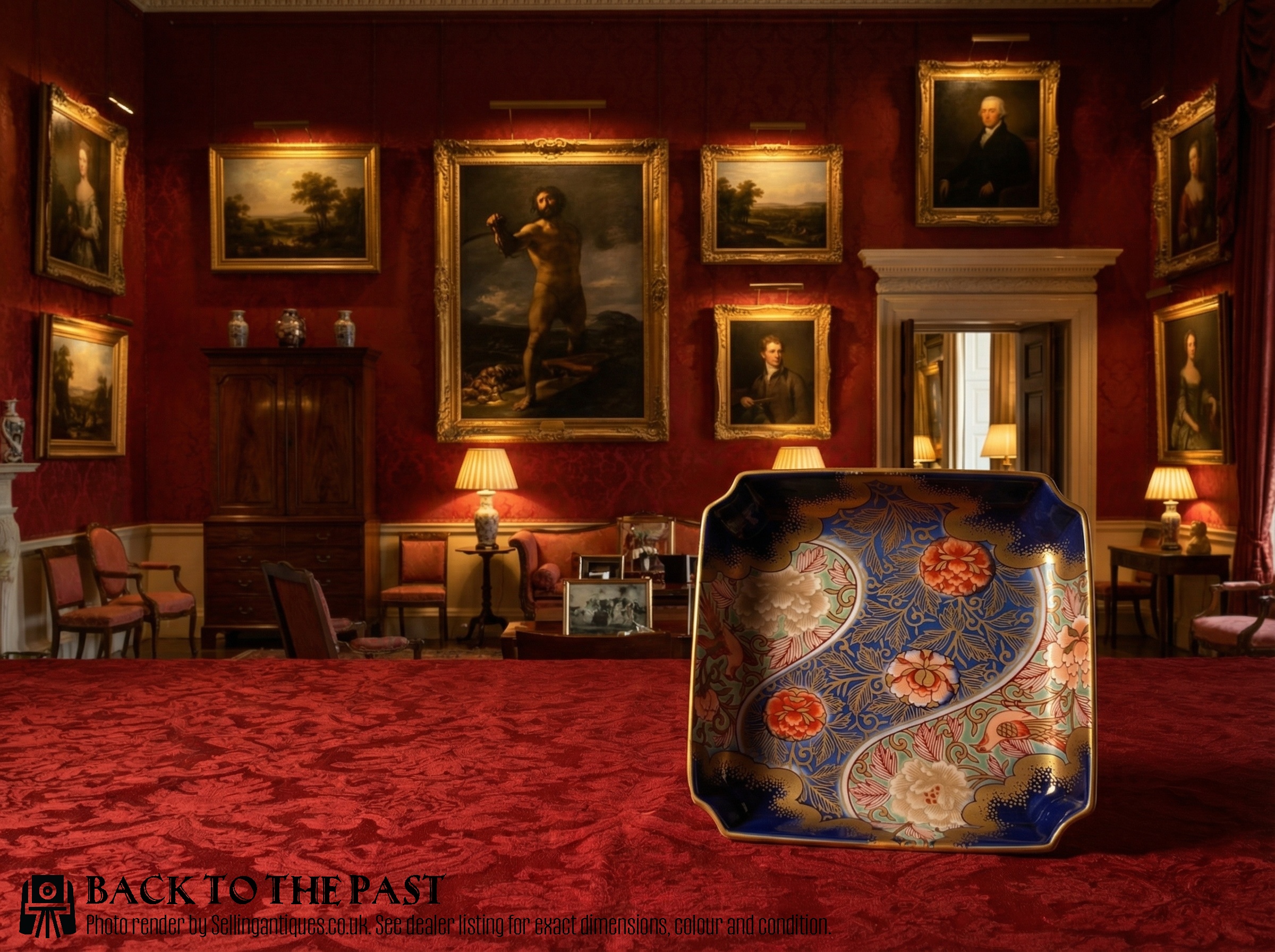
The version you are most likely to meet on this page is the Imari charger or Kutani vase bearing the hand-painted enamel and gold leaf characteristic of the era. These wares reflect a direct continuation of Meiji craftsmanship alongside evolving early twentieth-century Japanese ceramic production.
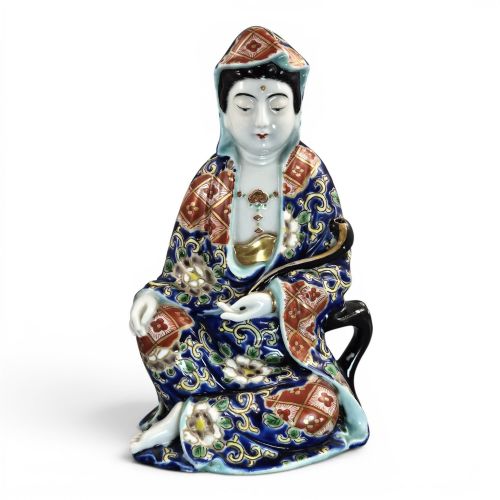
The objects take many forms, including brush washers, lidded vases, and figurative sculptures representing figures such as Kannon and Jigoku Dayū. They offer a tangible connection to the ceramic output associated with the Taisho and adjacent periods.
What varies in quality
Quality rests in the precision of the hand-painted brushwork and the complexity of the enamel and gilding work. Pieces featuring finely rendered landscapes or figurative details demonstrate superior artisan skill compared to simpler decorated wares.
The application of moriage and the preservation of the gold leaf and enamel layers determine the visual strength of the object. Wares that retain crisp outlines and vibrant colours represent the finer end of the surviving selection.
Listings for taisho period porcelain frequently include Kutani figures, Satsuma vases, and Imari chargers utilising enamel, gilt, and gold leaf.
Noritake·Taniguchi·Tagawa·Fukugawa·Kōko·Tashiro
The Taisho Period Porcelain Glossary
- Imari
- A style of Japanese porcelain featuring distinctive underglaze blue and overglaze red, green, and gold decoration. It appears frequently on chargers and vases from this era.
- Kutani
- A style of Japanese ceramic ware known for bold enamel colours and intricate pictorial designs. Pieces in this tradition often depict figures or natural motifs.
- Moriage
- A decorative ceramic technique using piped clay to create raised relief patterns beneath the glaze or enamel. This adds a tangible, textured element to the surface.
- Satsuma
- Earthenware or porcelain pottery typically decorated with finely detailed enamel and extensive gilding over a crackle-glaze finish. It frequently depicts landscapes and floral subjects.
- Suiban
- A shallow basin or ceramic tray used for displaying stones or arranging plants. These vessels often feature sculptural elements such as climbing figures.
Taisho Period Porcelain: Frequently Asked Questions
What defines taisho period porcelain?
Taisho period porcelain encompasses Japanese ceramic items produced during the reign of Emperor Taisho, marked by hand-painted enamel and gilt decoration.
The items bridge traditional Meiji aesthetics and early twentieth-century manufacturing techniques.
How are kutani pieces decorated?
Kutani ceramics feature bold enamel palettes, intricate motifs, and often detailed figurative or landscape scenes.
Artisans frequently added gold leaf and raised moriage work to enhance the visual depth of the vessels and figures.
How do I care for antique porcelain?
Antique porcelain and enamel wares require gentle cleaning with a soft, dry cloth to protect delicate gilding and cold paint.
Keep pieces away from direct sunlight and moisture to preserve the integrity of the enamel surfaces.