

Antique Japanese Figurine
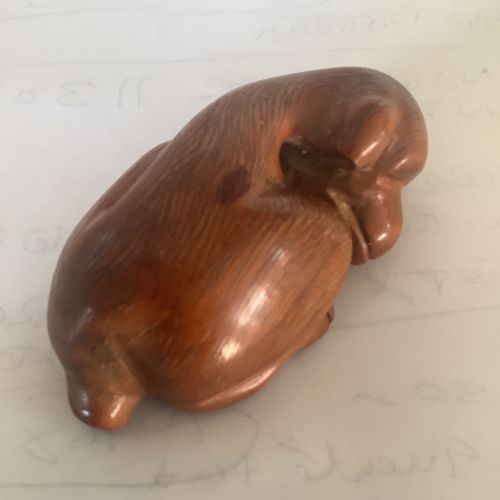
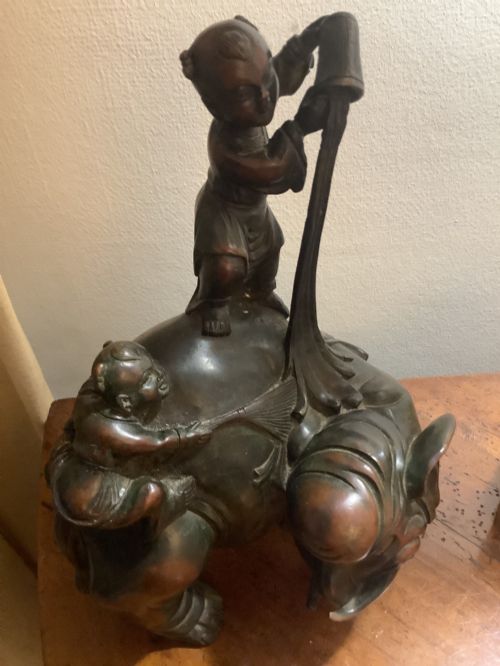
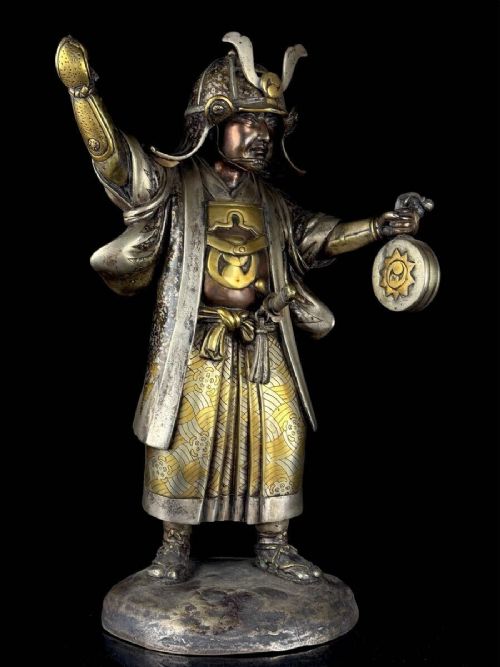
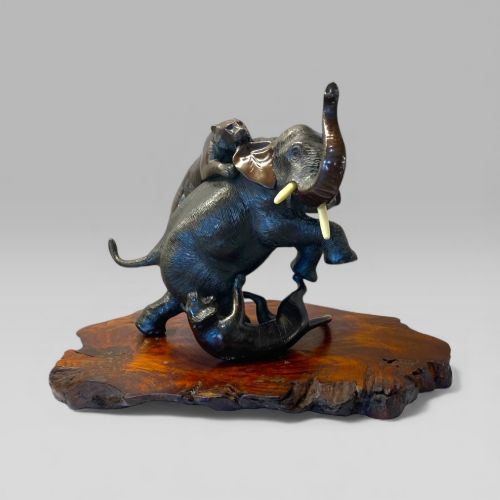
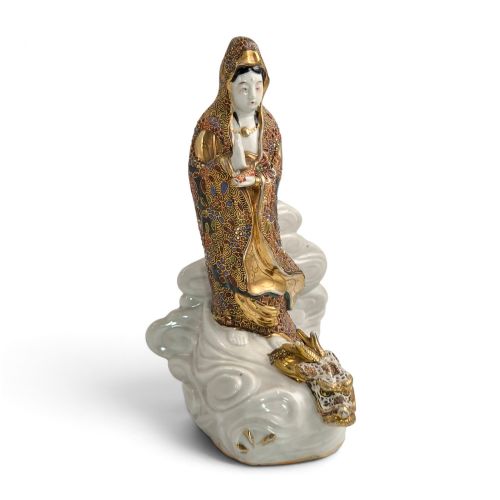
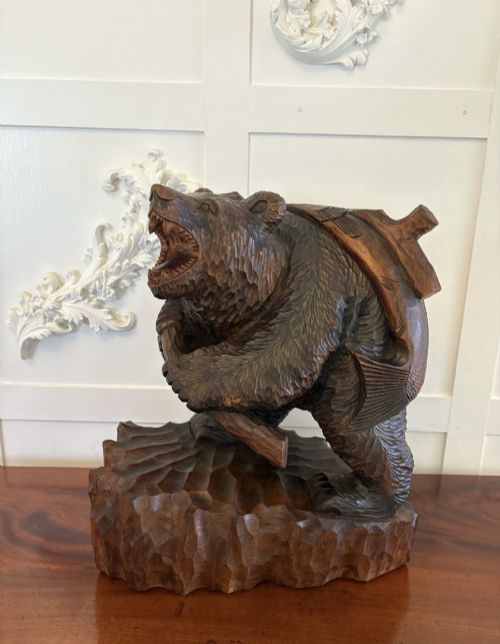
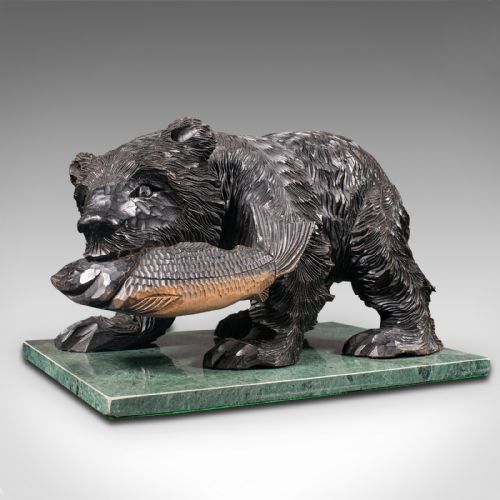
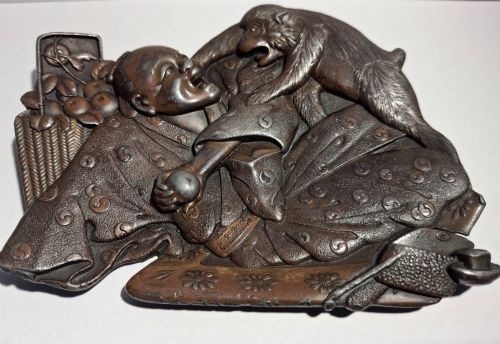
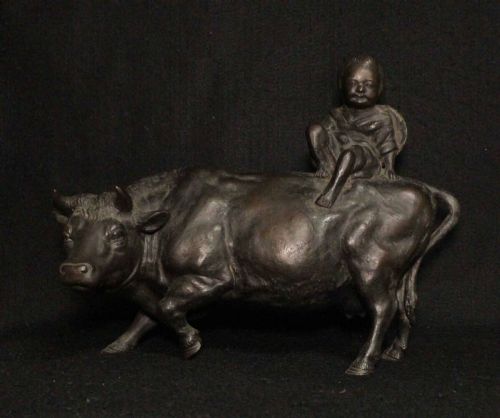
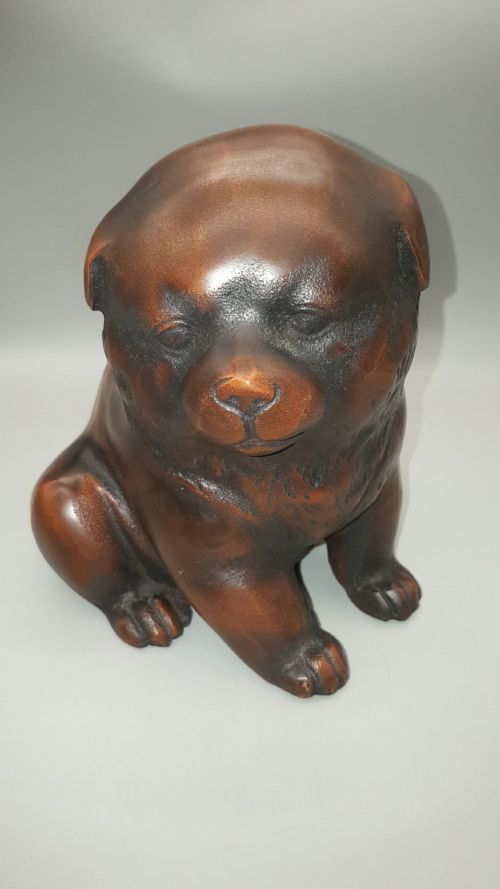
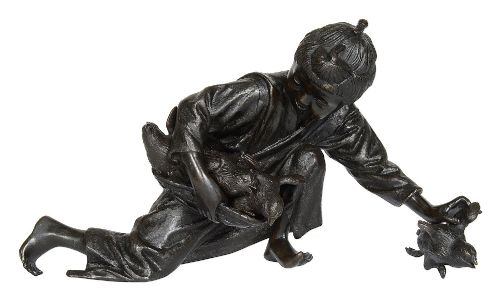
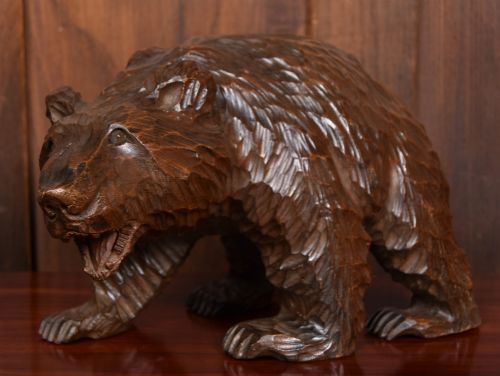
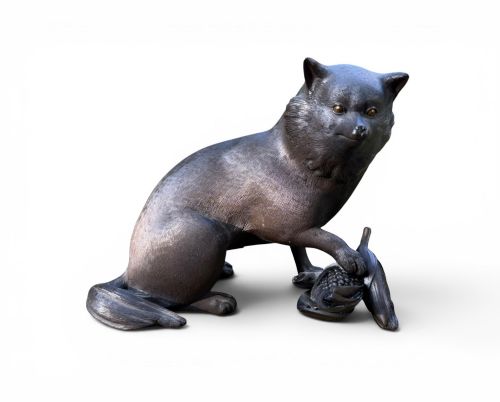
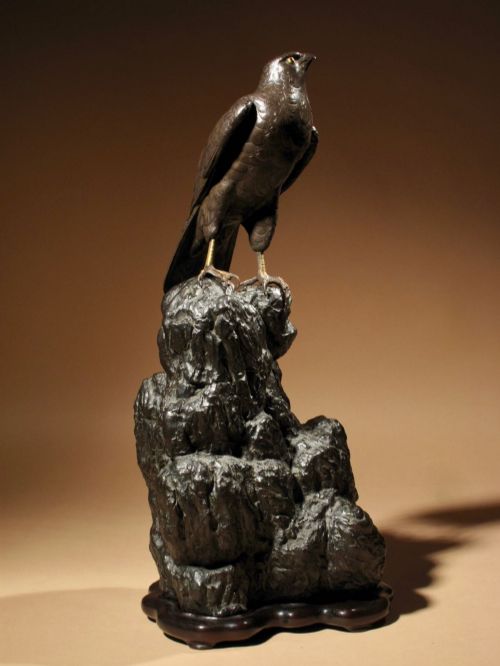
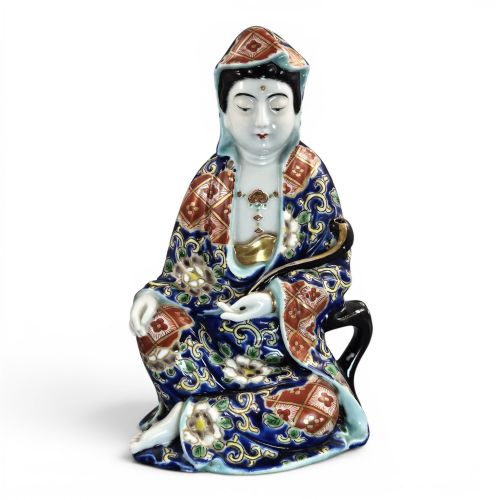
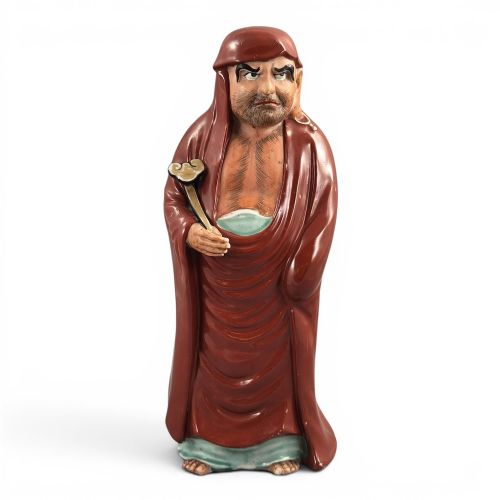
When you search for an antique japanese figurine, you enter a diverse world of bronze animals, porcelain deities, and carved wood sculptures.
Antique Japanese Figurine
The materials utilised in these pieces reflect the breadth of traditional Japanese craftsmanship, spanning cast bronze, hand-painted porcelain such as Kutani and Satsuma, and detailed wood or ivory carvings. Sculptures vary in scale from miniature personal toggles to large exhibition bronzes and ceramic figures.
How They Were Made
Bronzes were cast using traditional lost-wax methods, often incorporating mixed metals, fine chiselling, and patination to capture realistic textures like fur and scales. Wood and antler carvings relied on meticulous hand-gouging and knife work, frequently finished with delicate signed signatures or inlaid details.
Ceramic figures such as Satsuma and Kutani combined moulded or hand-formed earthenware and porcelain bodies with detailed overglaze enamel painting and gold leaf application. Artisans fired these works in kilns before applying intricate surface decoration by hand.
Antique Japanese Figurine Retail Price Guide 2026
Typical asking prices for japanese figurine among the pieces listed under this phrase on Sellingantiques today, from the lower quarter to the upper quarter. They describe what is for sale here now, not the wider market.
Listings feature works from the Edo period through the Meiji, Taisho, and Showa periods, utilising bronze, porcelain, wood, and enamel.
What Varies in Quality
Signatures by recognised artists or notable schools elevate pieces through documented craftsmanship and superior material handling. The integrity of the original patina, glaze, and surface condition further distinguishes museum-grade works from commercial productions.
Kunio Itô·Makuzu Kozan II·Unno Shomin·Tomochika
The Antique Japanese Figurine Glossary
- Okimono
- A standalone Japanese decorative figurine or sculpture designed for display on a shelf or in a tokonoma alcove.
- Netsuke
- A small carved toggle fastened to the end of a cord to secure a sagemono pouch hanging from a kimono sash.
- Satsuma
- A type of Japanese earthenware featuring a crackle-glaze ivory body decorated with polychrome enamels and gold leaf.
- Kutani
- Japanese porcelain or earthenware distinguished by bold overglaze enamel painting, often utilising vibrant reds and greens.
- Meiji Period
- The historical era spanning from 1868 to 1912, characterised by an opening of trade and exceptional decorative arts production.
Antique Japanese Figurine: Frequently Asked Questions
What is an okimono?
An okimono is a decorative Japanese sculpture or figurine intended for indoor display rather than practical use.
These pieces were produced in materials like bronze, ivory, wood, and ceramic during the late nineteenth and early twentieth centuries.
How are netsuke used?
Netsuke function as toggle weights attached to cords for hanging small containers from traditional Japanese clothing.
Carved from wood, antler, or ivory, they served both a practical wardrobe purpose and a decorative function.
What is Satsuma ware?
Satsuma ware consists of earthenware ceramics identifiable by their characteristic pale crackle glaze.
Pieces often feature elaborate hand-painted figural scenes enriched with overglaze enamels and gold leaf.
How do I identify Meiji period pieces?
Meiji period works date from 1868 to 1912, a time of heightened technical skill and international export.
Objects from this era frequently bear artist signatures, workshop stamps, or marks reflecting traditional themes.