


Oriental Ceramic Sculpture
These oriental ceramic sculpture pieces span centuries of East Asian artistry, bringing expressive figures and animals into your home.
Oriental Ceramic Sculpture
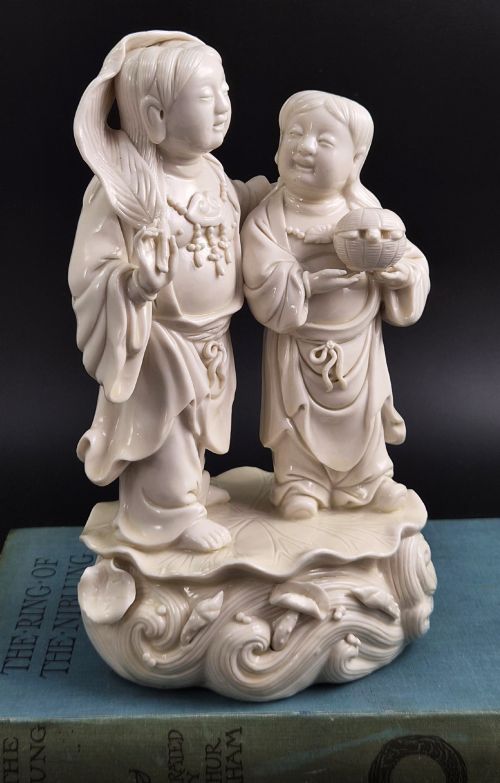
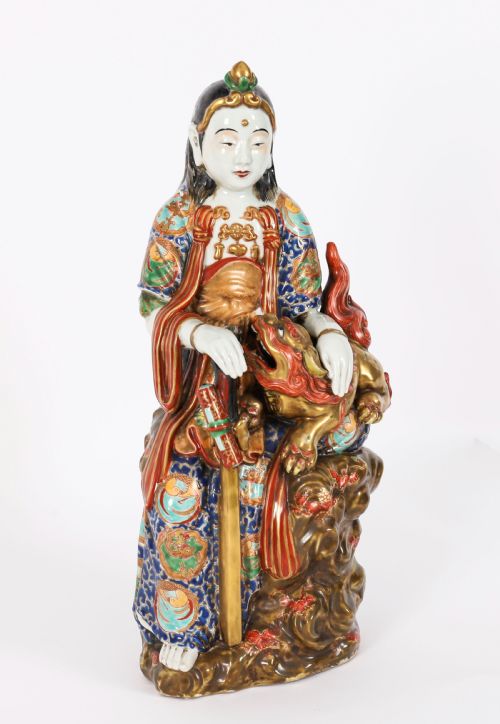
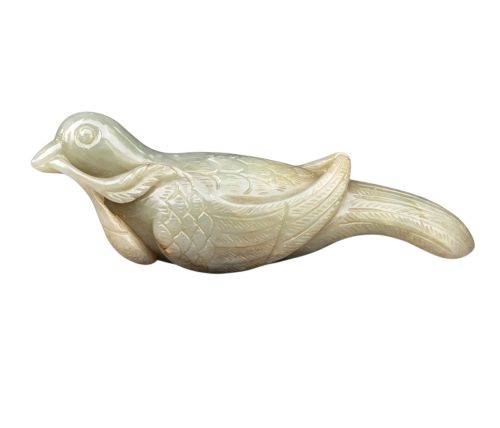
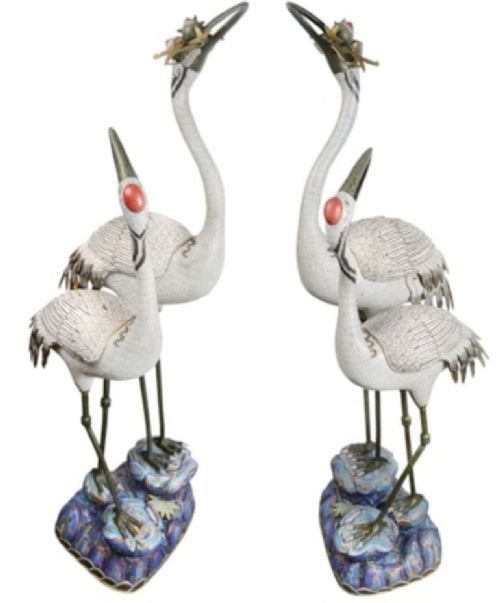
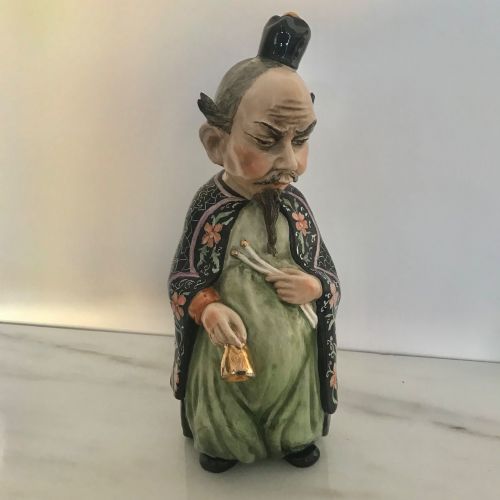
Oriental ceramic sculpture encompasses figures, animals, and mythological beasts shaped from clay, porcelain, and terracotta across various historical periods in China and Japan. Buyers exploring this category encounter traditional representations of deities, scholars, guardians, and fauna originating from dynastic eras and the Meiji period.
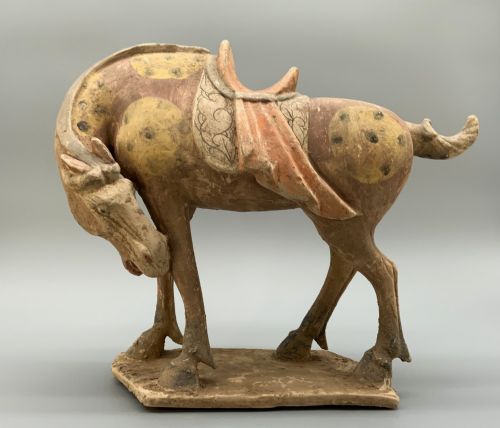
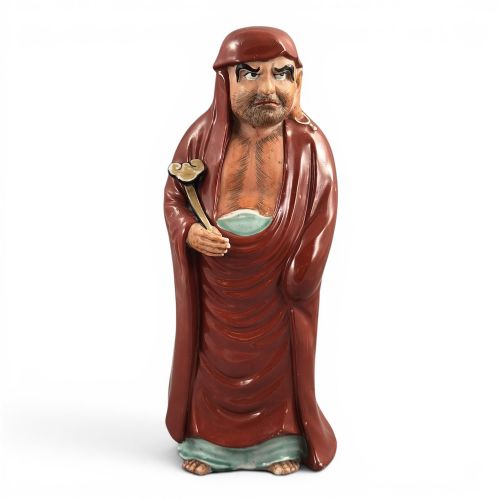
The selection ranges from early earthenware tomb figures and Tang pottery horses to intricate Japanese Kutani porcelain deities and Satsuma okimono. Most pieces reflect significant cultural traditions, employing classical forms such as the lion dog, the goddess Kannon, and various auspicious animals.
How they were made
Makers utilised plastic clay, fine porcelain, and coarse terracotta, shaping bodies by hand or pressing them into moulds before refining details with carving tools. Surfaces received liquid clay slips, polychrome enamels, or mineral glazes, including sancai tri-colour palettes and turquoise washes, prior to high-temperature firing.
Advanced workshops applied supplementary embellishments such as hand-painted enamel decoration, gilt highlights, and gold leaf over pre-fired bodies. Kiln temperatures and atmospheric conditions dictated the final tone of the glaze, yielding crazing, subtle colour variations, and vitrified surfaces.
Oriental Ceramic Sculpture Retail Price Guide 2026
Typical asking prices for oriental ceramic sculpture among the pieces listed under this phrase on Sellingantiques today, from the lower quarter to the upper quarter. They describe what is for sale here now, not the wider market.
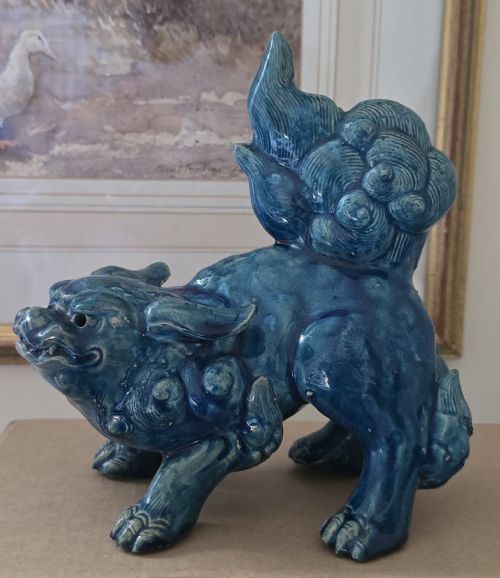
Even fierce guardian lion dogs sometimes need a little help holding their balance after centuries of contemplation.
What varies in quality
Sculptural refinement defines the upper tier of these works, where anatomical proportions, facial expressions, and clothing folds display sharp execution and psychological depth. Weaker examples often rely on generic moulding with softened details and perfunctory surface painting that lacks individual character.
Pigment application and glaze control also distinguish finer productions, as demonstrated by precisely controlled enamel work and smooth, even glaze distribution without pooling or dry patches. Superior pieces combine structural stability with balanced composition, whereas lesser specimens show asymmetry and crude finishing at the base.
Makuzu Kozan II·Mikawachi Kilns
The Oriental Ceramic Sculpture Glossary
- Okimono
- A Japanese freestanding ornamental statue or figurine intended for display in a domestic alcove. These carvings frequently depict deities, historical figures, or animals.
- Sancai
- A traditional Chinese three-colour glaze technique typically combining amber, green, and cream or white tones. Potters used this method extensively on earthenware during the Tang dynasty and later revival periods.
- Shishi
- A mythical guardian lion or lion dog originating from Buddhist traditions. Sculptors rendered these protective beasts with curling mannes and fierce expressions in porcelain, pottery, and bronze.
- Kutani
- A style of Japanese coloured porcelain characterised by bold overglaze enamel designs. Pieces from this tradition often feature rich reds, greens, and gold detailing.
- Mingqi
- Ancient Chinese burial goods placed in tombs to accompany the deceased. These terracotta and pottery figures represented attendants, soldiers, animals, and dancers.
Oriental Ceramic Sculpture: Frequently Asked Questions
What are oriental ceramic sculptures made of?
These sculptures are fashioned from various earthen materials including refined porcelain, porous terracotta, dense stoneware, and traditional pottery clay. Artisans shaped these mediums by hand or in moulds before applying mineral glazes and enamel pigments.
Surface treatments range from simple turquoise and sancai glazes to complex hand-painted polychrome enamel work and gold leaf applications. Each material reflects the specific technological capabilities and aesthetic preferences of its period of origin.
How do I distinguish Meiji period Japanese pieces?
Meiji period Japanese works, such as Kutani porcelain figures and Satsuma okimono, typically display intricate overglaze enamel painting and refined figurative modeling. These items often incorporate detailed depictions of traditional deities, scholars, and animals produced during an era of expanding export artistry.
Examining the base and the precision of the hand-painted decoration helps identify this period. The stylistic emphasis shifts towards expressive individualism in subjects like Kannon and guardian lion dogs.
Where were these figures originally placed?
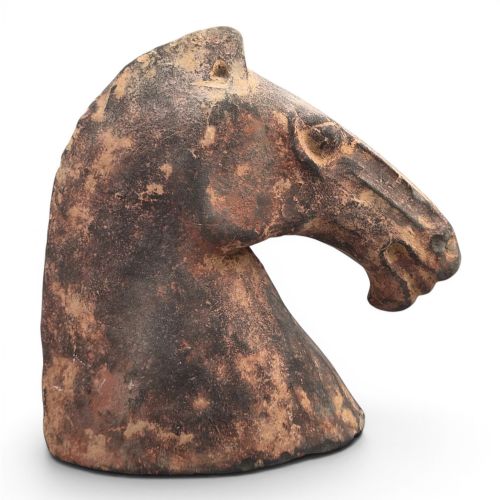
Many Chinese ceramic figures, including Mingqi tomb figures and pottery horses, originated as burial goods designed to accompany the deceased. Other items served as scholar's desk accessories, temple furnishings, or domestic architectural roof ornaments.
Japanese okimono and porcelain deities were traditionally displayed within interior domestic spaces, such as tokonoma alcoves. Their placement depended on their religious significance or their role as decorative art.
How should I care for antique ceramic sculptures?
Maintain these ceramic and porcelain pieces by dusting them gently with a soft, dry brush to prevent particulate accumulation. Avoid using chemical cleaners, abrasive cloths, or water on unglazed terracotta and delicate enamel surfaces.
Display the sculptures away from direct sunlight and areas subject to sudden temperature fluctuations to protect fragile glazes and pigments. Ensure stable placement on a level surface to prevent accidental tipping.