



Ancient Chinese Pottery
Ancient Chinese pottery offers tactile connection to dynasties past through terracotta figures and earthenware vessels made for tombs and scholars.
Ancient Chinese Pottery
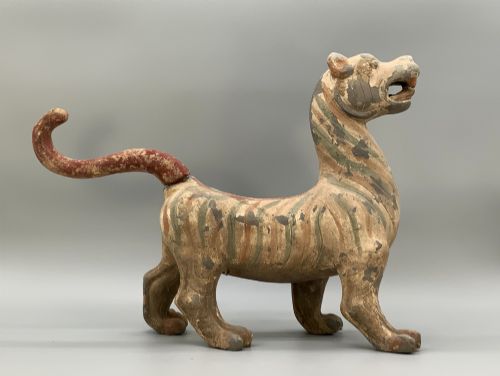
Ancient chinese pottery comprises vessels, figures and sculptures spanning prehistoric cultures through to later dynastic periods. When exploring ancient chinese pottery, buyers encounter terracotta tomb figures, earthenware bowls and glazed funerary sculptures.
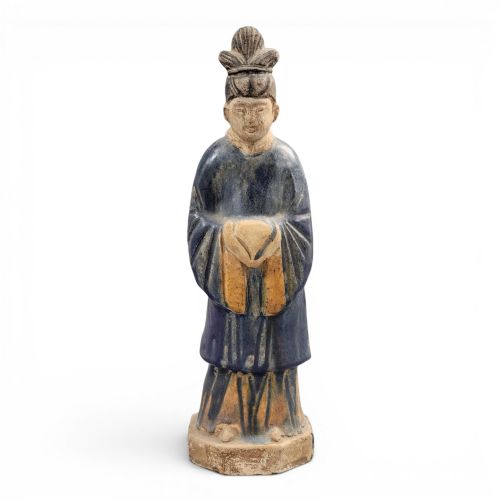
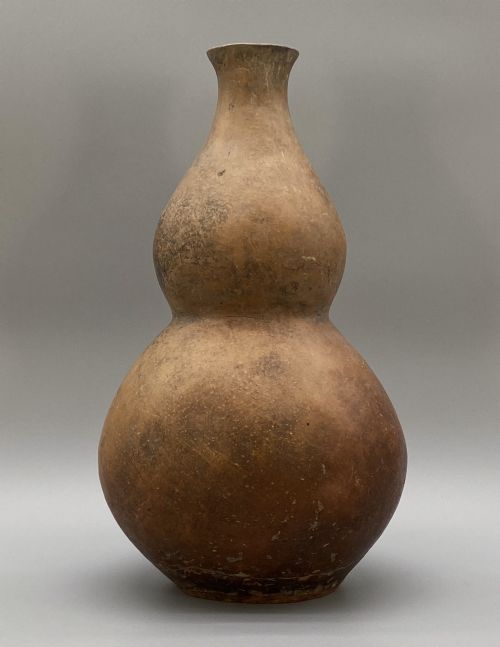
The objects stem from various epochs including the Neolithic Yangshao culture, Han dynasty, Tang dynasty, Sui dynasty and Ming dynasty. Forms range from utilitarian waterpots and double-gourd vases to guardian figures and court attendants.
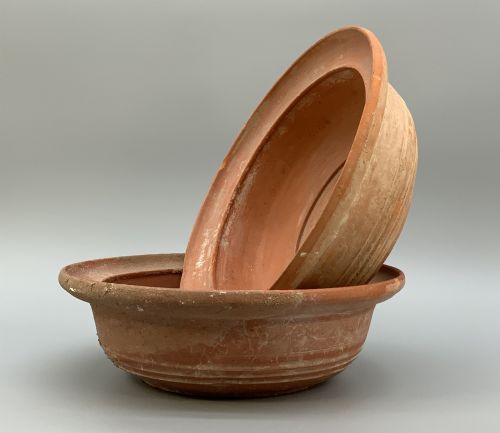
Grey earthenware and red pottery pieces reflect early ceramic traditions designed for burial or daily use. Each period imparts distinct stylistic qualities to the sculptures and vessels.
How they were made
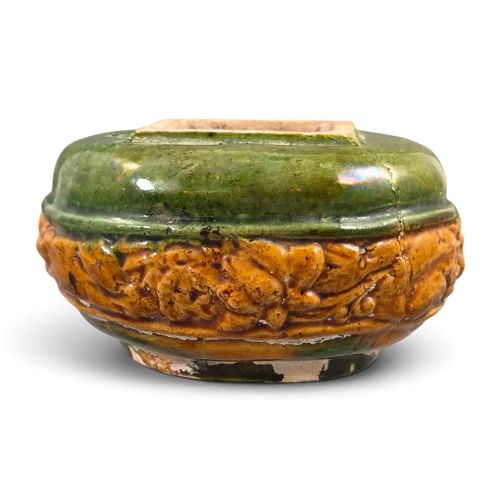
Potters shaped local clays and terracotta by hand or wheel before applying mineral pigments or lead glazes. Sancai glaze techniques introduced amber, green and cream colouration to funerary figures during the Tang period.
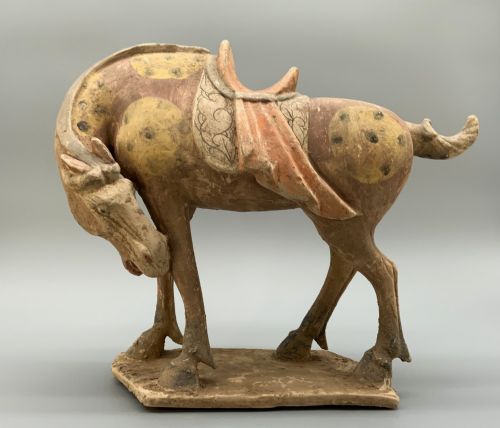
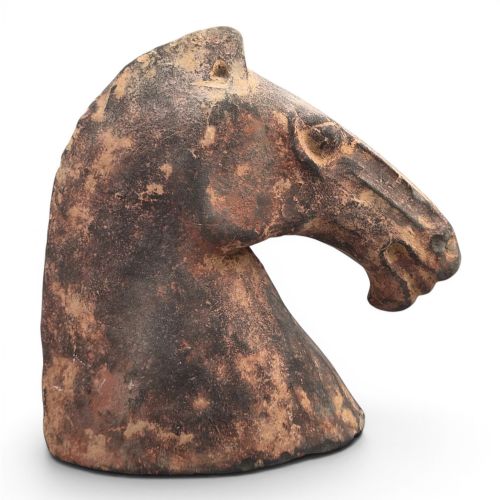
Tang horses stand ready for invisible journeys, carrying centuries of kiln dust.
What varies in quality
Proportion and scale influence the visual impact of large vases and tomb attendants. The application and survival of sancai glaze or mineral pigment determine the visual fidelity of each piece.
The Ancient Chinese Pottery Glossary
- Mingqi
- Spirit objects or tomb figures placed in burials to accompany the deceased. These figures include attendants, animals and guardians.
- Terracotta
- Fired clay used extensively for ancient sculptures and figures. It provides a porous, reddish or brownish body for painted decoration.
- Sancai
- Three-colour lead glaze technique characteristic of Tang dynasty ceramics. The glazes typically combine amber, green and cream tones.
- Yangshao Culture
- Neolithic culture known for distinctive ceramic forms and painted pottery vessels. Banpo phase examples include large double-gourd vases.
Ancient Chinese Pottery: Frequently Asked Questions
How old is ancient chinese pottery?
These ceramics span from Neolithic cultures dating back to the fourth millennium BC through to the Ming dynasty. Most pieces originate from pre-sixteenth century dynastic tombs.
Specific periods like the Han and Tang dynasties provide distinct markers for dating individual sculptures and vessels.
What does sancai mean?
Sancai translates to three colours and refers to the lead glaze palette used on Tang dynasty ceramics. The technique allowed amber, green and creamy white glazes to run and blend on the pottery surface.
This glaze type defines many court attendant and horse sculptures from the period.
How should I display pottery at home?
Display these vessels and figures in stable environments away from direct sunlight and heavy foot traffic. Terracotta and earthenware benefit from secure, level surfaces that protect their weight.
Pairing vases with custom stands ensures proper support for round-bottomed or heavy pieces.