

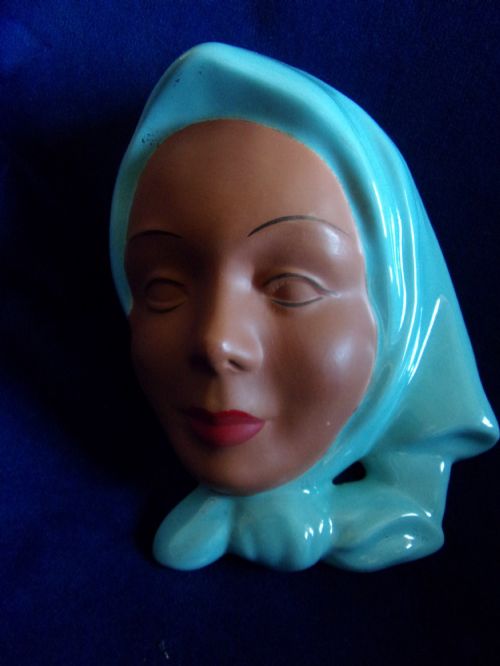


Blue Glazed Sculpture
Blue glazed sculpture brings together centuries of fired clay and porcelain rendered in striking turquoise, cobalt, and sancai tones.
Blue Glazed Sculpture
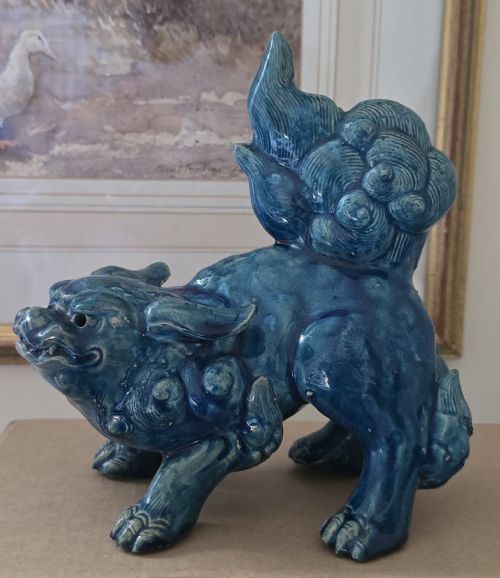
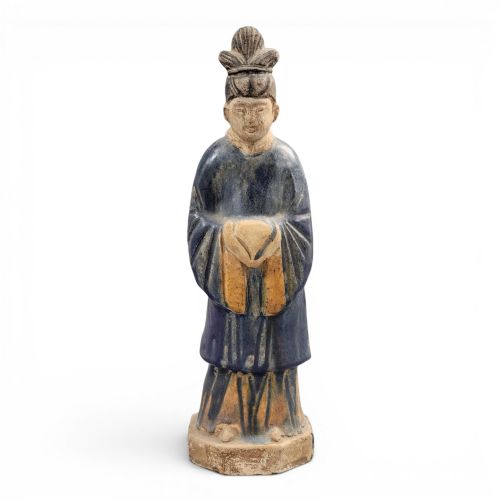
A blue glazed sculpture encompasses figurative works, animals, busts, and wall masks shaped from ceramic, earthenware, porcelain, and terracotta across many distinct historical eras. When collectors search for blue glazed sculpture, they encounter diverse forms ranging from Chinese imperial figures and Japanese temple guardians to European factory groups and Art Deco wall masques.
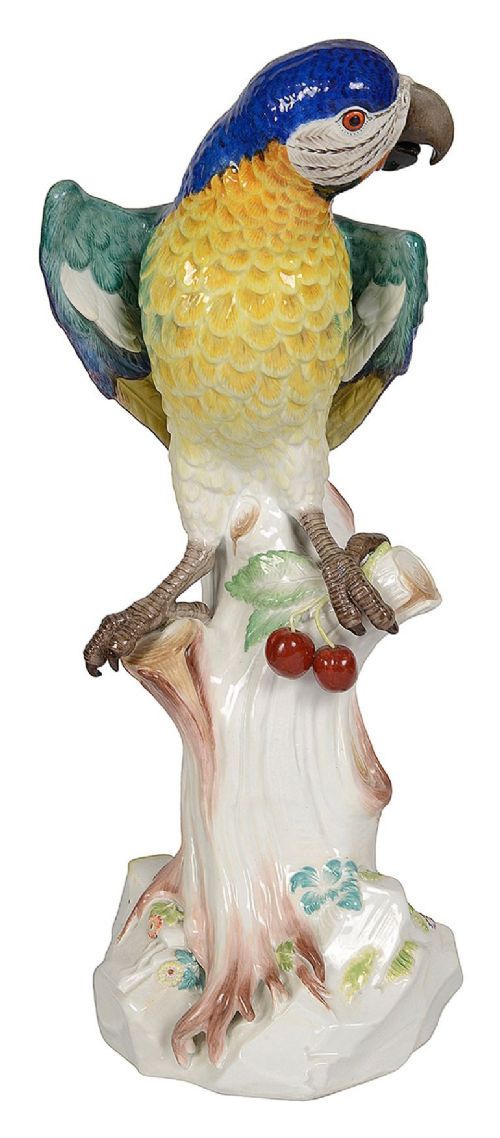
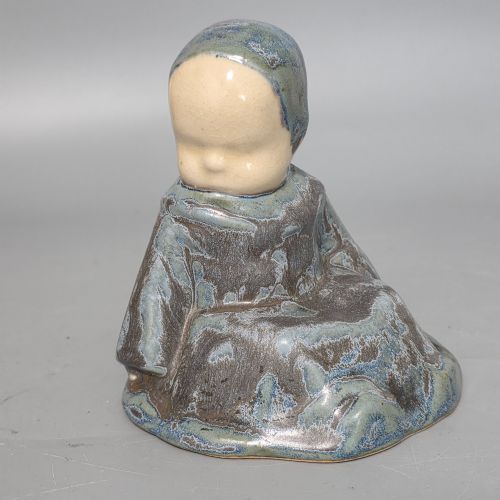
The pieces on this page span several centuries, highlighting international traditions from Tang dynasty funerary figures to nineteenth-century Meissen porcelain groups and twentieth-century Quimper stoneware. Each maker utilised specific regional clays and firing methods, resulting in sculptures defined by rich surface colouration rather than plain biscuit finishes.
How they were made
These works rely on the mastery of kiln temperatures applied to earthenware, porcelain, stoneware, and terracotta bodies. Artisans shaped the clay by hand or in moulds before coating the surface with liquid ceramic pigments or enamel glaze.
During firing, metallic oxides reacted with the kiln heat to produce characteristic turquoise, sancai, and cobalt tones. Some pieces received supplementary decoration in gold leaf or enamel to accentuate the carved details of robes, hair, and facial expressions.
Listings include items fashioned from earthenware, porcelain, stoneware, and terracotta, decorated in turquoise glaze, enamel, and gold leaf.
What varies in quality
The distinction between standard commercial output and exceptional work lies in the control of the kiln firing, which determines whether the blue glaze achieves a luminous consistency or a flat, uneven finish.
Meissen·HB Quimper·Gmundner·Sevres·Vion et Baury
The Blue Glazed Sculpture Glossary
- Sancai
- A three-colour ceramic glaze technique commonly associated with Tang dynasty pottery and figures, typically utilising amber, green, and creamy white or blue tones.
- Shishi
- A traditional guardian lion or dog figure found in East Asian art, frequently modelled in ceramic and glazed in turquoise or vibrant colours.
- Bisque
- Unglazed fired porcelain or ceramic that presents a matte, white surface texture, seen in nineteenth-century busts.
- Wall masque
- A decorative ceramic sculpture designed to be hung upon a wall, popular during the Art Deco period in European potteries.
- Luohan
- A venerable enlightened being or follower of Buddha, often depicted in glazed porcelain figures from Chinese dynasties.
Blue Glazed Sculpture: Frequently Asked Questions
What is a blue glazed sculpture?
It is a ceramic, porcelain, or terracotta figure coated in a coloured vitreous finish, spanning centuries of global pottery traditions.
These pieces range from ancient funerary attendants to European factory groups and decorative wall masks.
How do I date a blue glazed sculpture?
Dating relies on identifying the clay body, the manufacturing style, and the chemical composition of the glaze used by the pottery.
Marks on the base and stylistic cues from periods like Meiji or Art Deco help narrow the production era.
Where were these sculptures made?
Makers across Asia and Europe produced these works, utilising local regional clays and distinctive regional glazing formulas.
Chinese imperial kilns, Japanese studios, and European factories like Meissen and Sevres all contributed to this tradition.
How should I display blue glazed sculpture?
Place them on stable surfaces away from direct foot traffic where adequate lighting can catch the vitreous surface shine.
Wall masques require secure fixings suited to the weight of the dense ceramic body.