


Japanese Ceramic Ornament
A Japanese ceramic ornament brings tactile weight and narrative depth to a room, ranging from small mythological figures to substantial vessels.
Japanese Ceramic Ornament
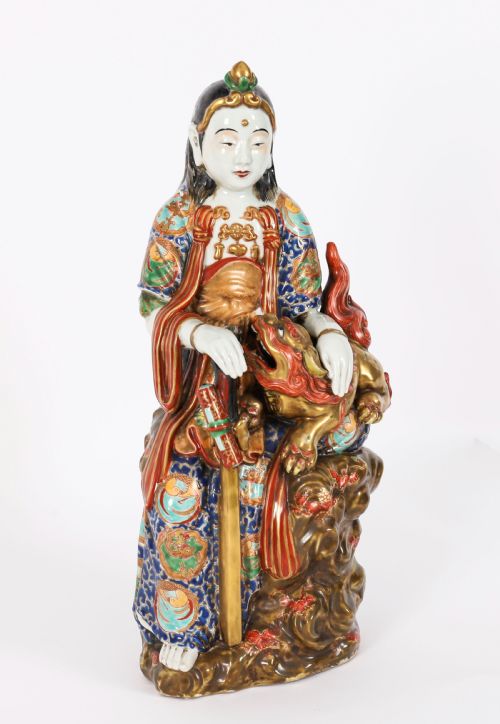
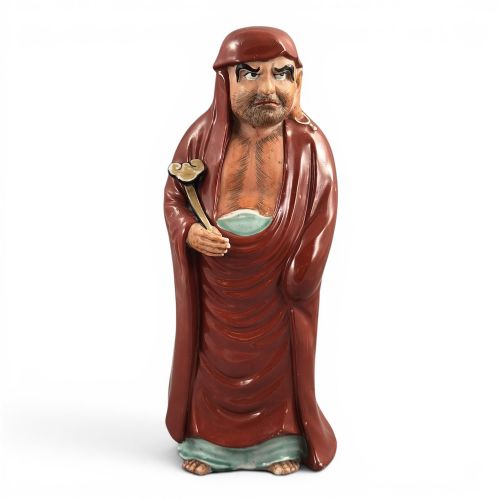
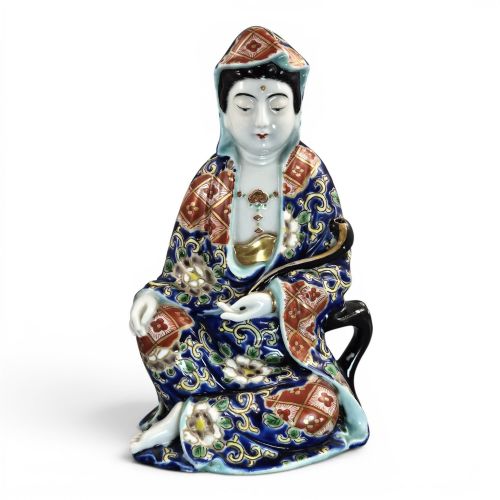
The selection on this page relies heavily on nineteenth-century Satsuma and Kutani wares, alongside delicate Hirado porcelain and characterful Sumida Gawa pottery. Figurine forms such as Daruma, Bijin, and various gods of longevity dominate the physical record, offering a glimpse into traditional narrative art.
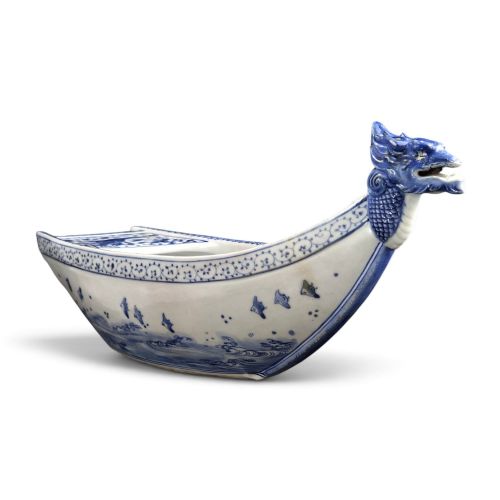
Vessels and structural elements also appear, from dragon-head ship vessels to roof ornaments and suiban brush washers. These objects bridge the gap between utilitarian forms and pure sculptural display.
Materials and construction methods
Potters and sculptors utilised porcelain, earthenware, and heavy clay bodies as the structural foundation for these pieces, shaping them by hand or mould before firing. Kilns such as those at Mikawachi and Kutani applied precise firing techniques to achieve durable porcelain and earthenware figures.
Surface decoration relied on polychrome enamel, gold leaf, gold gilt, and cold paint, often built up in raised moriage relief or fine glaze work. These layered techniques required multiple firings to fix the metallic accents and vibrant mineral pigments securely to the ceramic body.
Listings span the eighteenth century through the Edwardian era, featuring porcelain, earthenware, enamel, and gold leaf.
Judging the work
Quality rests in the precision of the modelling and the crispness of the painted details, particularly in the facial expressions of figures and the definition of robes and fur. Masterworks exhibit careful control during the painting of gold leaf and polychrome enamel, where fine lines remain sharp rather than blurred.
The reputation of the producing kilns and individual signed pieces elevate certain items above standard decorative production. Greater artistic ambition appears in sculptural depth and the organic fluidity of animal and human forms.
Makuzu Kozan II·Kizan·Kōko
The Japanese Ceramic Ornament Glossary
- Okimono
- A Japanese freestanding ornamental statue or sculpture designed for display on a tokonoma or shelf. These pieces range from carved ivory and wood to glazed ceramic figures of deities and animals.
- Kutani
- A style of Japanese porcelain and pottery characterised by bold polychrome enamel designs and generous use of gold gilt. The tradition originates from the Ishikawa prefecture.
- Satsuma
- A type of Japanese earthenware featuring an ivory-coloured, crackle-glazed surface decorated with intricate polychrome enamels and gold leaf. It gained significant popularity for export during the Meiji period.
- Moriage
- A ceramic decoration technique where slip is piped onto the surface of a vessel or figure to create raised, tactile patterns before glazing and firing. This method adds significant dimension to Satsuma and Kutani wares.
- Hirado
- A fine white porcelain produced at kilns in the Hizen province, known for meticulous modelling of animals and figures with subtle cobalt blue or monochrome glazes.
Japanese Ceramic Ornament: Frequently Asked Questions
What is an okimono?
An okimono is a decorative object or small figurine intended for display in a domestic interior rather than for tea ceremony use.
These pieces typically represent folklore figures, animals, or immortals and reflect the high sculptural skill of late nineteenth-century ceramicists.
How do I distinguish Satsuma from Kutani?
Satsuma ware is generally characterised by a fine crackle glaze over a buff earthenware body, heavily embellished with enamel and gold.
Kutani ware usually utilises a porcelain or denser ceramic body featuring richer iron-red and green enamel palettes without the characteristic Satsuma crackle.
Where were these ornaments displayed?
Traditionally, Japanese decorative figures and vessels found a place on display shelves or within the tokonoma alcove of a home.
Many nineteenth-century pieces were specifically produced for export to Western markets, adapting traditional forms for European and American mantelpieces.
What does moriage mean?
Moriage refers to the raised beadwork and ornamentation applied to the surface of ceramics using liquid clay before firing.
This technique creates a textured, three-dimensional effect that catches the light and adds a tactile quality to robes and floral motifs.