




Meiji Period Kutani
When you collect meiji period kutani, you handle hand-painted Japanese ceramics shaped into vibrant vases, figures, and chargers from the late nineteenth century.
Meiji Period Kutani
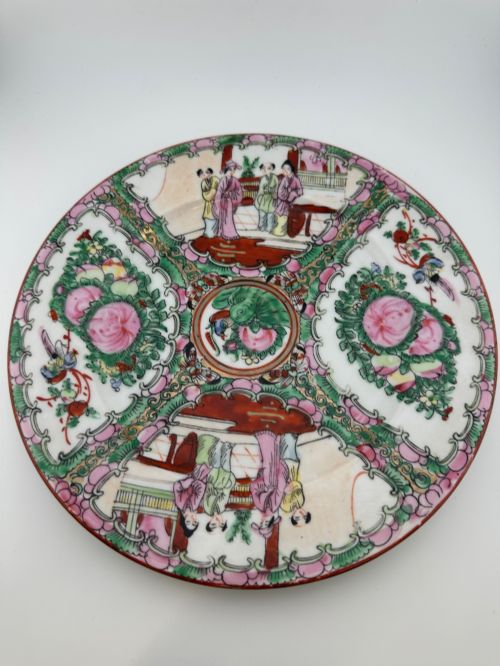
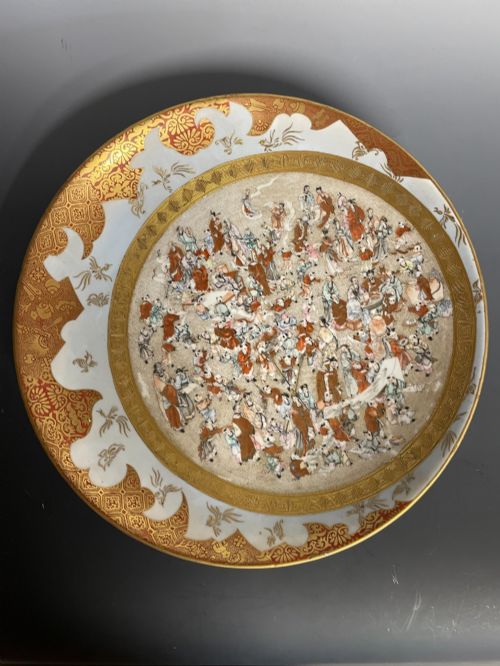
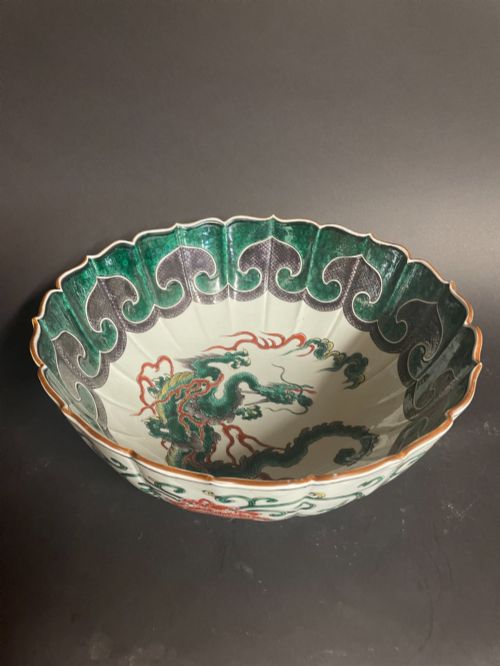
Meiji period kutani encompasses Japanese porcelain objects made during the late nineteenth and early twentieth centuries, spanning utilitarian vessels and decorative items. These items include large chargers, ginger jars, incense burners, and detailed animal and human figurines.
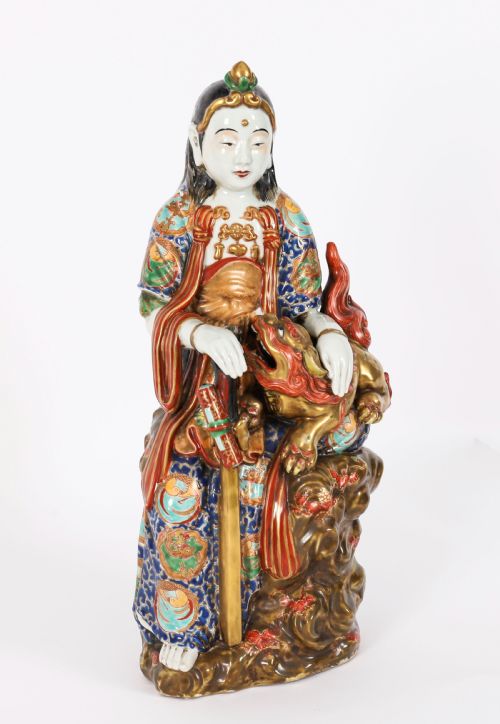
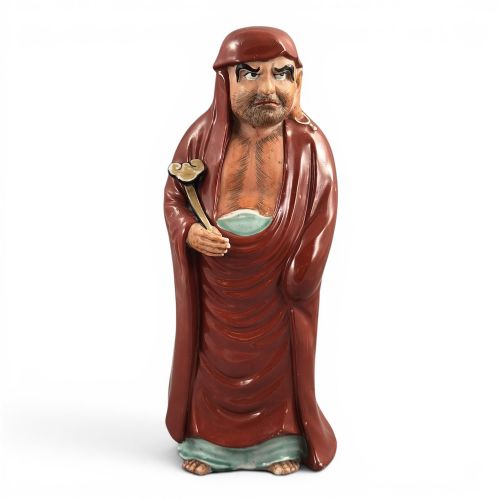
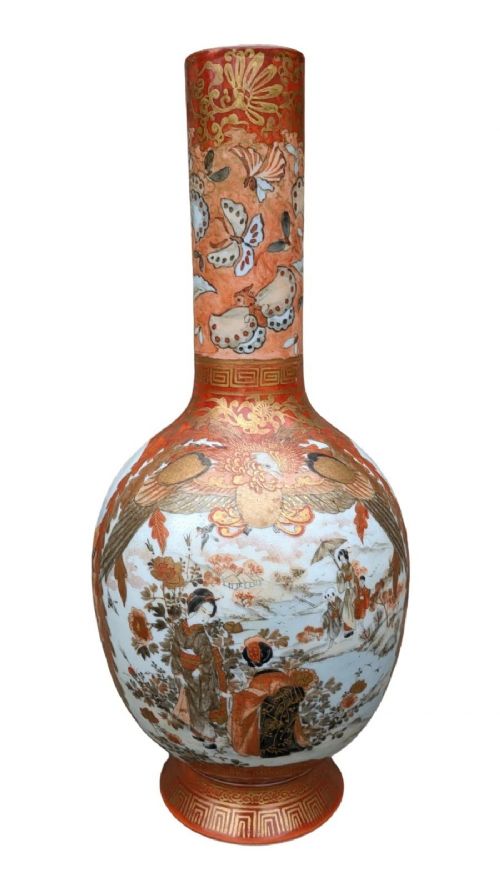
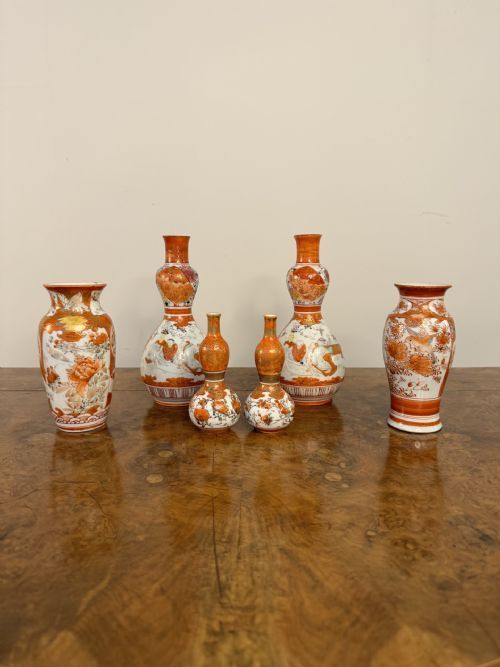
The most common forms found on this page are hand-painted vases and cylindrical vessels, alongside sculptural okimono of cats, lions, and deities. Many pieces date from the 1880s and 1890s, reflecting the peak export period of Japanese ceramic artistry.
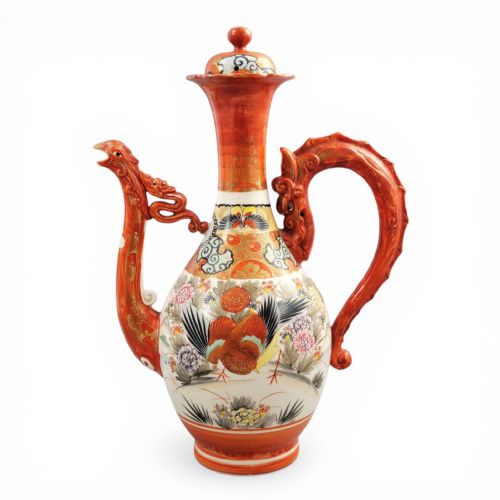
Vessels often feature traditional motifs such as peonies, dragons, and figures like Kannon or Jurojin. Collectors encounter both single display pieces and matched pairs that survive with their original forms intact.
Materials and construction
Potters shaped these objects from white porcelain clay, throwing vessels on the wheel or casting sculptural figures by hand. Artisans then applied colourful enamel pigments and gold leaf details across the ceramic surface.
Techniques such as moriage built up raised slip decoration to create textured surfaces on vases and jars. Kiln firing fixed the underglaze components before fine enamel details and gilding were added in secondary low-temperature firings.
Listings feature nineteenth-century porcelain vessels, including chargers, lidded jars, and okimono figures decorated with enamel and gold leaf.
Evaluating quality and execution
Quality rests in the precision of the hand-painted brushwork and the complexity of the enamel palette. Finer examples display disciplined control over fine lines, balanced composition, and carefully integrated gold leaf or moriage relief.
Kinrin Workshop·Watano
The Meiji Period Kutani Glossary
- Kutani
- Japanese porcelain traditionally produced in Kaga province, noted for bold enamel decoration and extensive use of gold. The wares range from tableware to large decorative chargers.
- Moriage
- A ceramic technique where clay slip is piped onto the surface before firing to create raised, textured decorative patterns. This method adds a tactile dimension to vases and jars.
- Okimono
- A Japanese standalone decorative carving or figurine intended for display on a shelf or tokonoma alcove. Common subjects include animals, deities, and historical figures.
- Koro
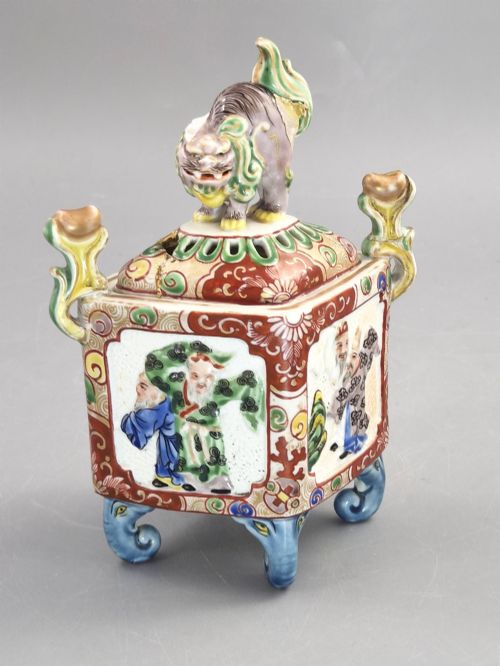
- A traditional Japanese incense burner, typically featuring a pierced lid and supported by feet. These vessels often incorporate mythological creature handles or finials.
- Shoza Style
- A specific decorative approach in Kutani ware combining intricate red and gold pigments with a rich polychrome enamel palette. It gained prominence during the nineteenth century.
Meiji Period Kutani: Frequently Asked Questions
What is meiji period kutani?
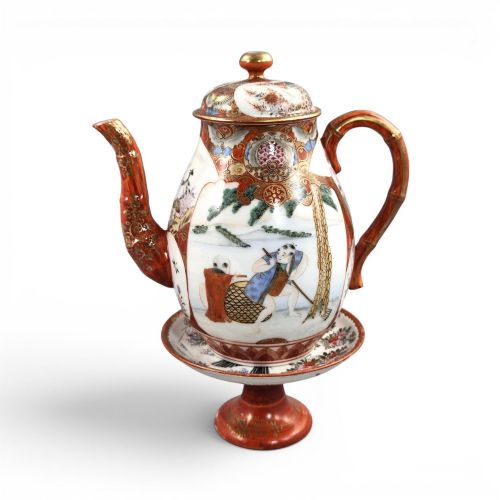
Meiji period kutani refers to Japanese porcelain decorated with enamels and gold leaf during the Meiji era, spanning from 1868 to 1912. These ceramics include painted vases, chargers, teapots, and sculptural figures.
Production during this time catered heavily to international export markets, resulting in highly decorative and colourful wares that showcased traditional Japanese motifs and meticulous brushwork.
How do I display a charger?
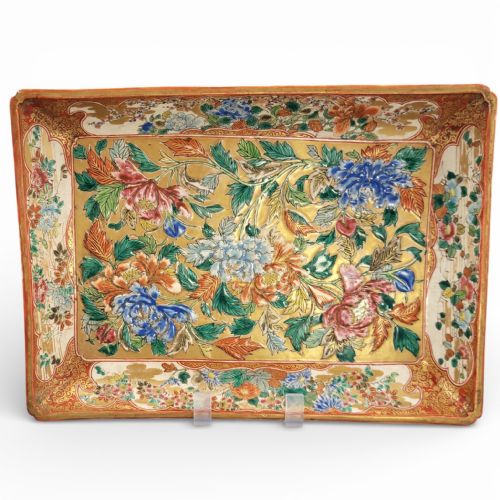
Decorative chargers and large plates are typically displayed on sturdy plate stands placed on sideboards, mantelpieces, or inside cabinets. This showcases the expansive hand-painted central scenes and decorated borders.
Because of their substantial diameter, chargers require stable placement away from high-traffic edges to prevent accidental tipping.
How do I identify a koro?
A koro is identified by its distinct lidded container design, usually elevated on three or more feet and fitted with sculptural handles. The lids often feature mythical beasts like the Shishi or Foo Dog.
Inside the body, the bowl shows evidence of heat exposure or incense use, distinguishing it from standard jars and vases.