




Japanese Kutani Vases
Japanese Kutani vases bring painted porcelain and gold leaf from the nineteenth century into modern rooms.
Japanese Kutani Vases
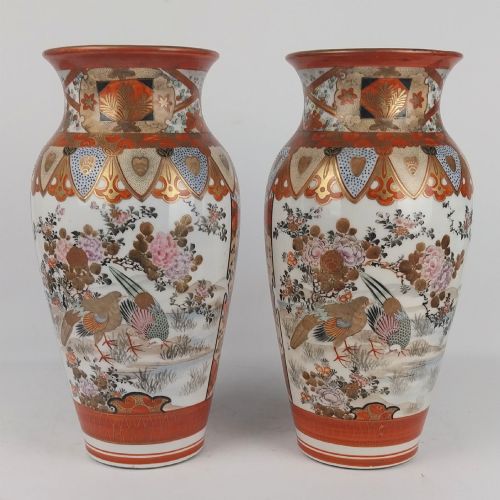
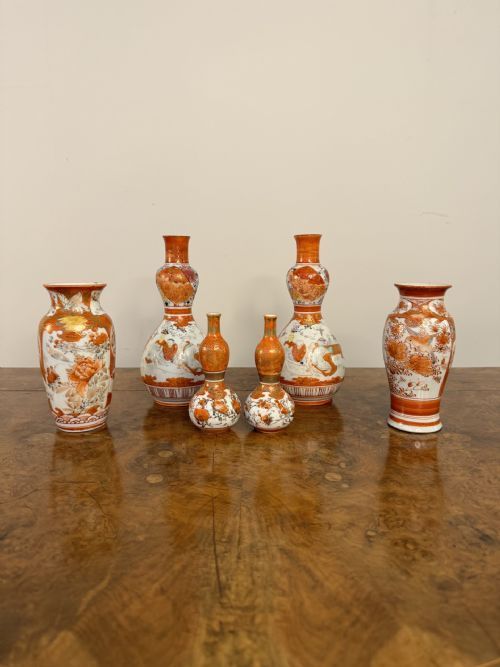
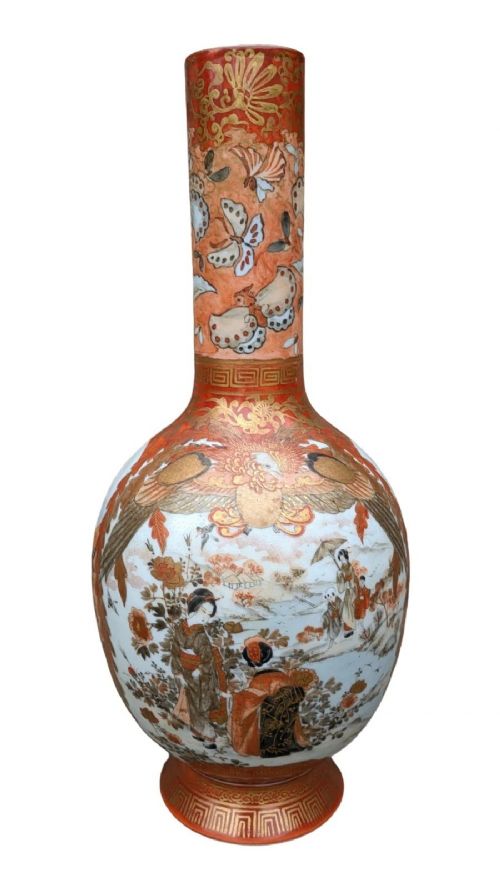
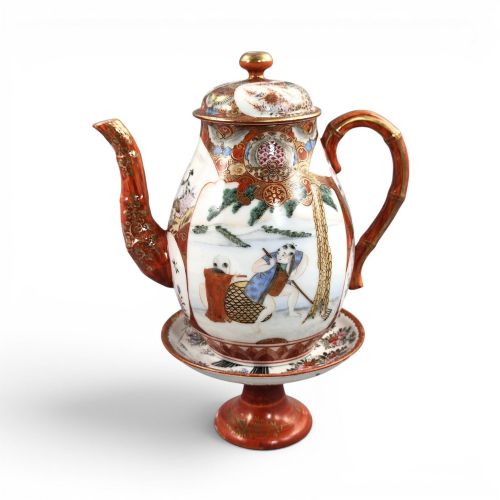
Japanese Kutani vases present distinct painted porcelain forms originating primarily from the nineteenth century, particularly the Meiji period. Buyers examining this page encounter standard vases alongside pairs, floor vessels, and pieces adapted into table lamps.
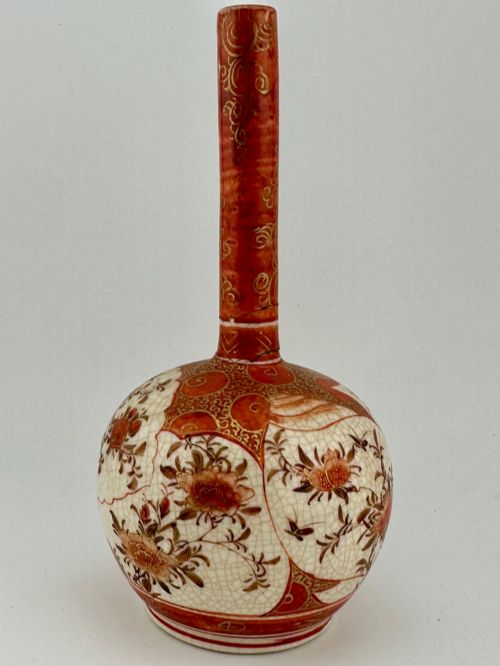
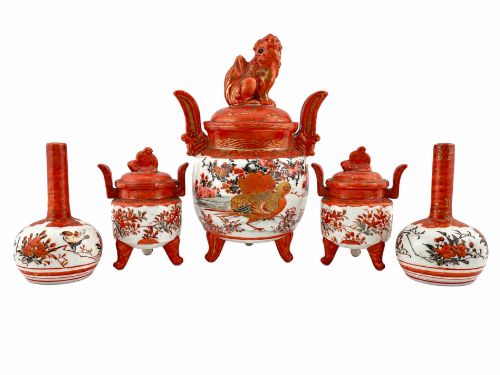
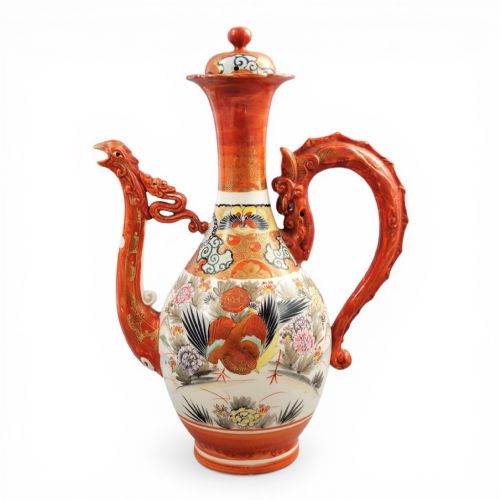
The inventory demonstrates forms ranging from tall bulbous bodies and cylindrical shapes to flared necks and dragon ewers with phoenix spouts. Most examples date from the decades around eighteen-ninety, reflecting traditional Japanese export styles of that era.
Vessels often arrive with geometric inset panels, lion handles, or associated wooden stands. Collectors select these items for their colourful palette and detailed narrative scenes rendered upon porcelain.
Materials and Construction
Potters shaped these vessels from white porcelain, applying hand-painted designs often enriched with heavy enamel colours. Artisans integrated gold leaf and gilding to accentuate specific motifs across the ceramic surface.
Certain pieces utilise relief decoration known as moriage, building up thick layers of slip to create textured patterns that stand proud of the body. Workshops also combined porcelain with brass mounts or fabric elements on associated display stands.
Japanese Kutani Vases Retail Price Guide 2026
Typical asking prices for japanese kutani vases among the pieces listed under this phrase on Sellingantiques today, from the lower quarter to the upper quarter. They describe what is for sale here now, not the wider market.
Materials recorded on this page include porcelain, enamel, gold leaf, brass, gilt, fabric, gilding, and wood.
Qualities of Execution
Hand-painted precision separates standard production ware from superior examples, visible in the control of enamel brushwork and the crispness of gilded highlights. The density and ambition of the pictorial composition dictate overall visual strength.
Scale and proportion influence desirability, particularly among matched pairs featuring complex lion handles or geometric panels. Condition of the delicate gold leaf and enamel surface remains central to the integrity of each piece.
Kinrin Workshop
The Japanese Kutani Vases Glossary
- Kutani
- A style of Japanese porcelain traditionally produced in Kaga province, known for colourful enamel painting and gold leaf work. These ceramics gained significant popularity during the Meiji period for export markets.
- Meiji Period
- The era in Japanese history spanning from eighteen-sixty-eight to nineteen-twelve, marked by extensive international trade in decorative arts. Pieces from this time frequently display high levels of hand-painted detail.
- Moriage
- A decorative ceramic technique using piped clay slip to build up raised patterns before glazing and firing. This method adds a tactile, three-dimensional quality to the surface of the vessel.
- Ewer
- A large jug with a wide spout used historically for pouring water, though often collected purely as a decorative vessel. Japanese export examples sometimes incorporate mythological creatures like phoenixes into the handle and spout design.
Japanese Kutani Vases: Frequently Asked Questions
What is Kutani porcelain?
Kutani porcelain originates from Japan and is distinguished by heavy enamel painting and gold leaf ornamentation. Most antique examples date back to the nineteenth century and the Meiji period.
Artisans painted intricate scenes of birds, flowers, and figures onto white ceramic bodies, creating vibrant decorative objects for export.
How do I date a Japanese Kutani vase?
Dating relies on stylistic markers, materials, and historical export periods such as the Meiji or Taisho eras. Nineteenth-century pieces often exhibit hand-painted polychrome enamels combined with extensive gilding.
Examining the base, potting technique, and any associated workshop signatures helps narrow down the decade of production.
Were these vases made for export?
The vast majority of Japanese Kutani vases seen today were created during the late nineteenth century specifically for Western export markets. Makers tailored the scale and decorative motifs to suit European and American tastes.
Pairs of large vases and decorative chargers were particularly popular among Victorian collectors.
How should I display a Kutani vase?
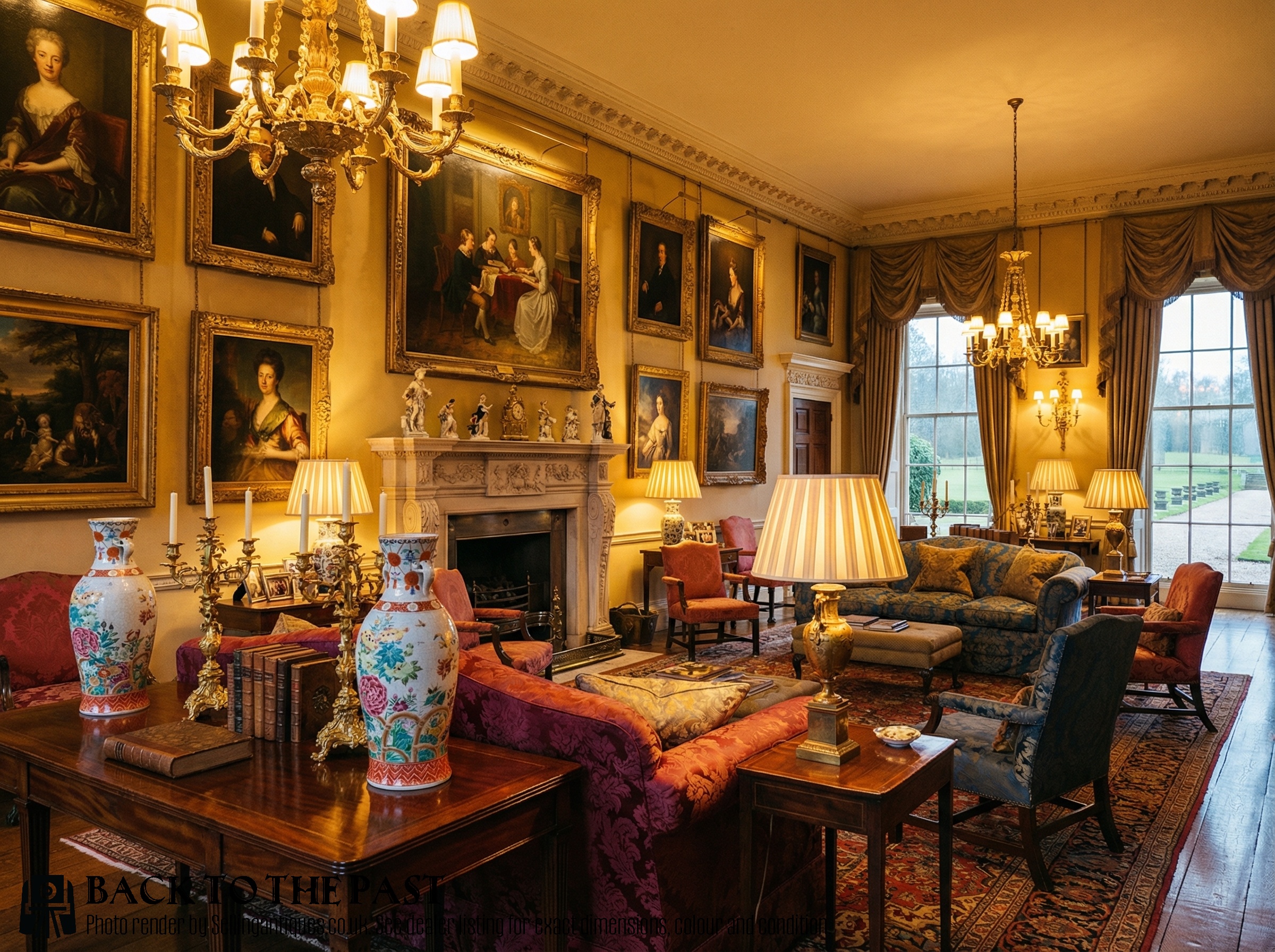
These vases suit placement on sturdy side tables, mantels, or dedicated stands where their detailed painted panels remain visible. Ensuring adequate lighting highlights the gold leaf and enamel colours without exposing the ceramic to direct sunlight.
Some nineteenth-century examples are successfully wired as table lamps while retaining their original porcelain bodies.