
Oriental Ceramic Figure
When you search for an oriental ceramic figure, you enter a diverse field spanning centuries of East Asian pottery traditions and sculptural forms.
Oriental Ceramic Figure
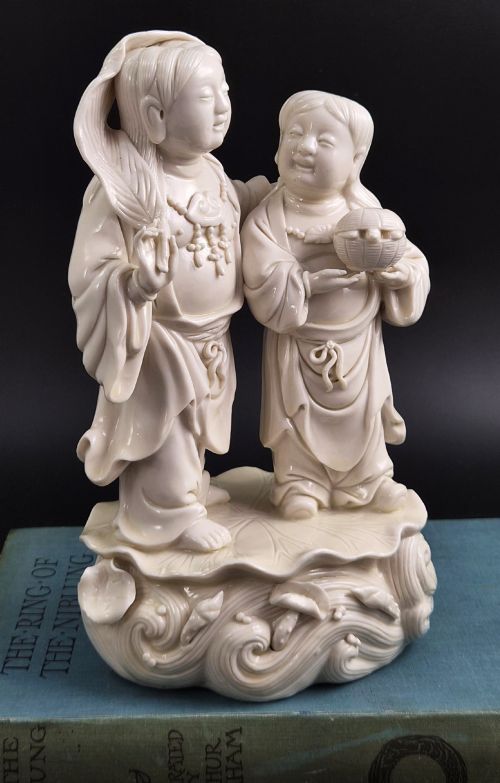
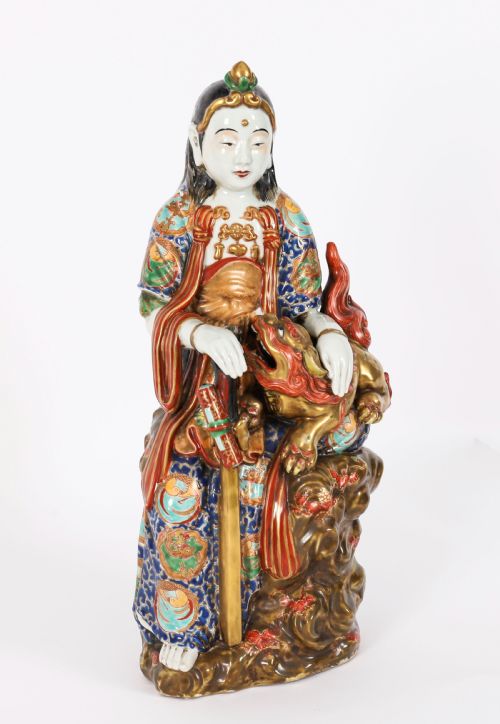
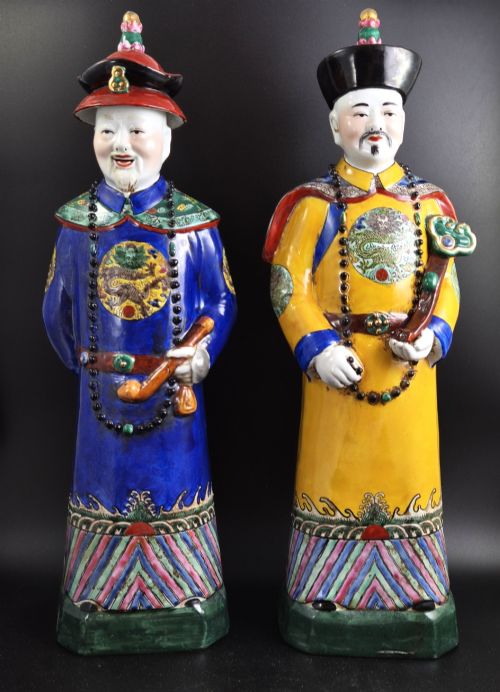
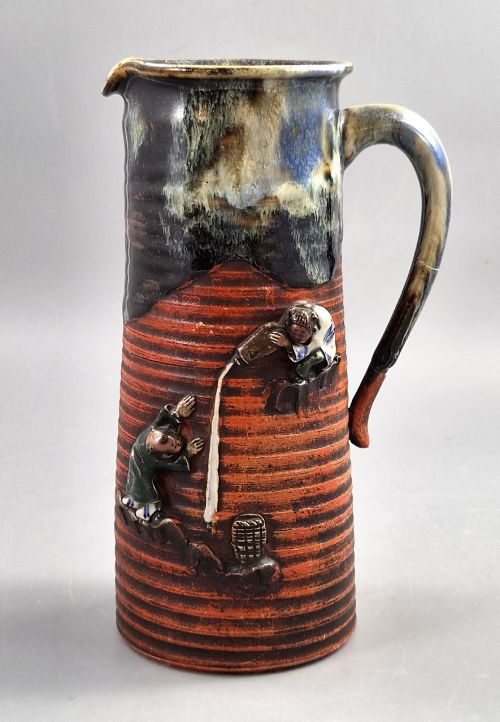
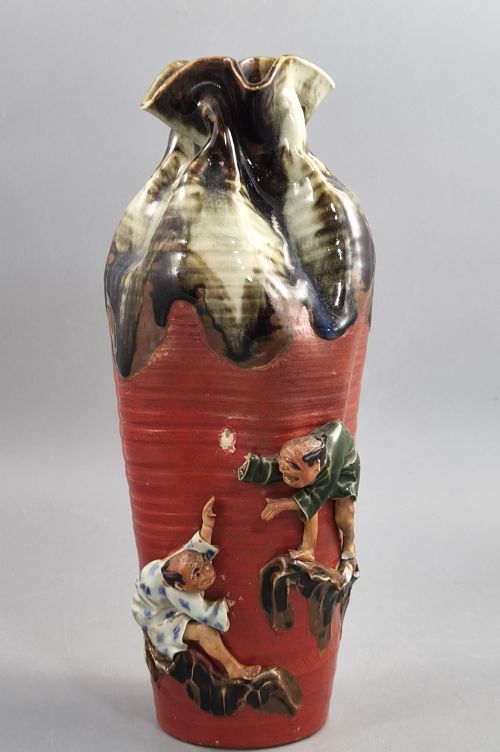
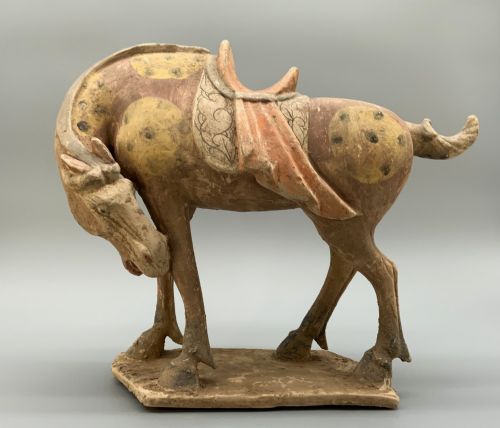
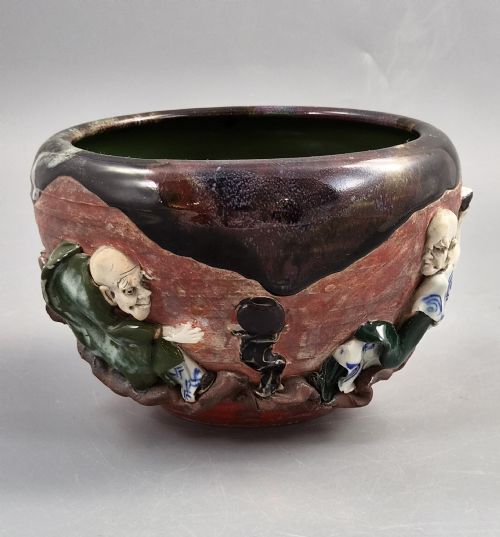
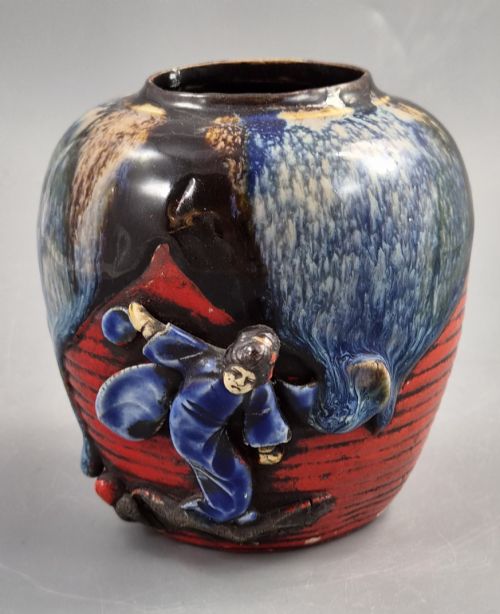
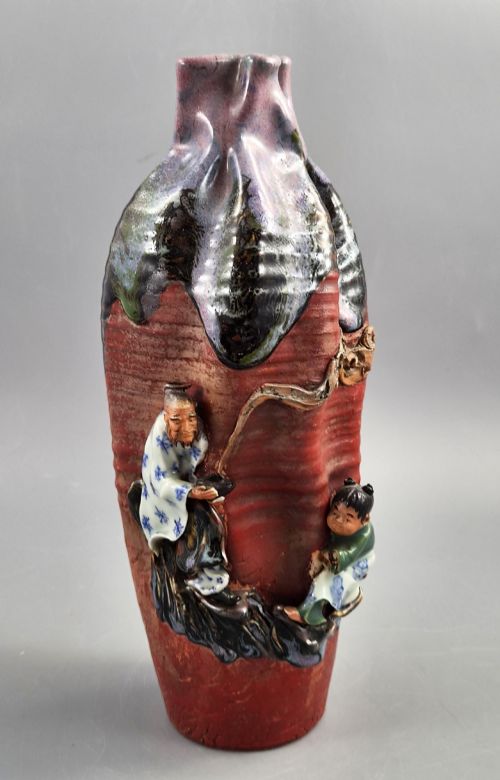
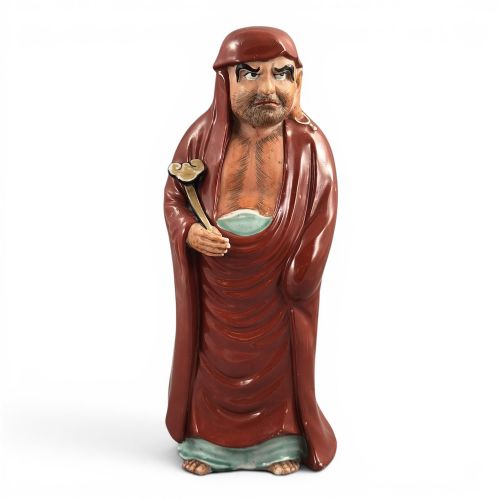
An oriental ceramic figure encompasses sculpted and slip-cast representations of human characters, deities, and animals originating from Chinese and Japanese kilns. You meet these pieces in various forms, from glazed earthenware tomb figures and porcelain bodhisattvas to expressive stoneware vases decorated with applied relief characters.
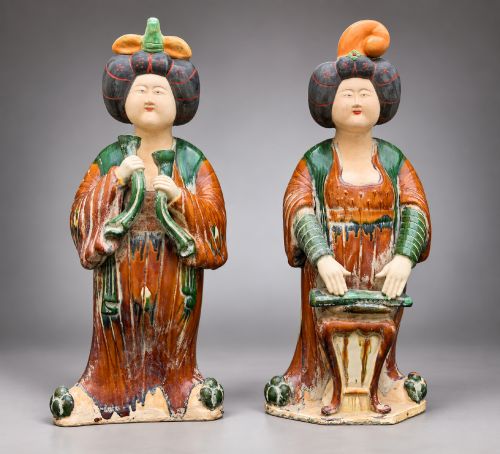
The selections span distinct historical eras, including Tang dynasty pottery models, Meiji period Japanese stoneware, and later Chinese porcelain figurines. These objects served devotional, decorative, or funerary purposes within their original cultural contexts.
Materials and Techniques
Potters utilised varied base bodies including earthenware, dense stoneware, and fine porcelain, shaping them either by hand, via moulds, or through throwing on a wheel. Sculptural elements like applied figures were frequently modelled separately before being attached to the main body prior to firing.
Surface decoration relied on lead silicates, coloured enamels, and distinctive glaze types such as sancai tri-colour glazes and dynamic flambe effects. Kiln operators controlled reduction and oxidation atmospheres to achieve the rich colour variations seen across the pottery and porcelain.
Listings feature ceramics spanning earthenware, stoneware, and porcelain across periods from the Tang dynasty to the Meiji era.
Evaluating Quality and Execution
Surface treatment further differentiates the range, as master potters managed glaze thickness and enamel placement with control to avoid pooling or dull opacity. The stability of the ceramic body during high-temperature firing also marks the difference between standard production and exceptional workshop output.
Inoue Ryosai·Zhu Mao Ji
The Oriental Ceramic Figure Glossary
- Sancai
- A low-firing lead glaze technique producing a three-colour palette of amber, green, and cream often associated with Tang dynasty ceramics.
- Guanyin
- The revered East Asian bodhisattva of compassion, frequently rendered in porcelain and ceramic sculpture across various historical periods.
- Okimono
- A Japanese term for a decorative shelf ornament or figurine carved or modelled for display rather than practical use.
- Flambe glaze
- A streaky, variegated high-temperature glaze that shifts in colour due to complex chemical reactions in the kiln atmosphere.
- Karako
- A traditional decorative motif depicting Chinese children at play, commonly utilised on Japanese pottery and porcelain.
Oriental Ceramic Figure: Frequently Asked Questions
How do I identify a Tang dynasty figure?
Authentication of early material relies on examining the porous terracotta body, mineral encrustations, and characteristic sancai glaze pooling.
Scientific testing such as thermoluminescence provides further clarity on the firing date of antique ceramic sculptures.
What is Sumida Gawa pottery?
Sumida Gawa refers to distinctive Japanese art pottery originating near Tokyo, known for its heavy flambe glazes and animated figures modelled in high relief.
These pieces were produced primarily during the Meiji and Taisho periods by specific workshops and signed makers.
How should I display ceramic figures safely?
Position your figures away from direct sunlight and areas subject to sudden temperature fluctuations to protect fragile glazes and painted enamel surfaces.
Ensure stable shelving where the base rests flat without relying on adhesive or pressure mounts that might stress old ceramic bodies.
Are Satsuma figures made of porcelain?
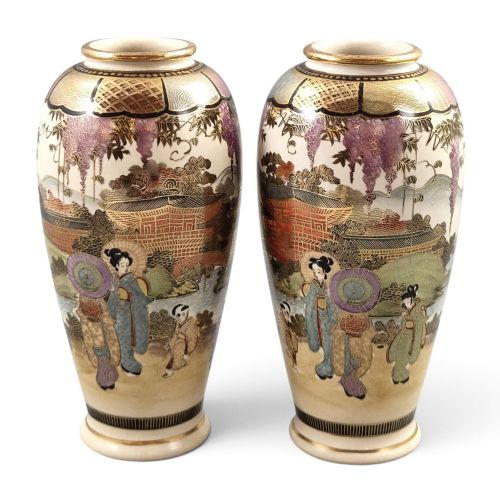
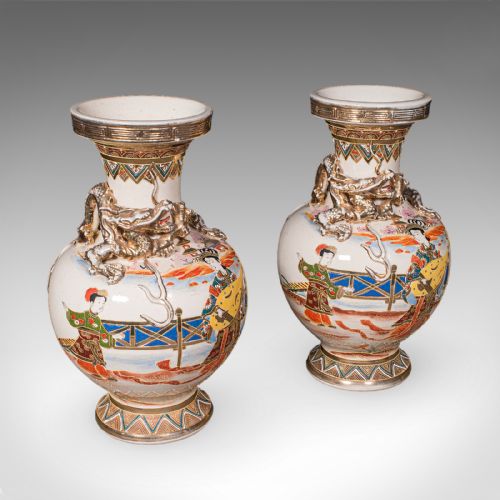
Satsuma ware utilises an earthenware body with a fine network of crackled ivory glaze rather than vitreous porcelain.
These items are typically hand-painted with detailed polychrome enamels and raised gold leaf decoration.