


Meiji Porcelain Sculpture
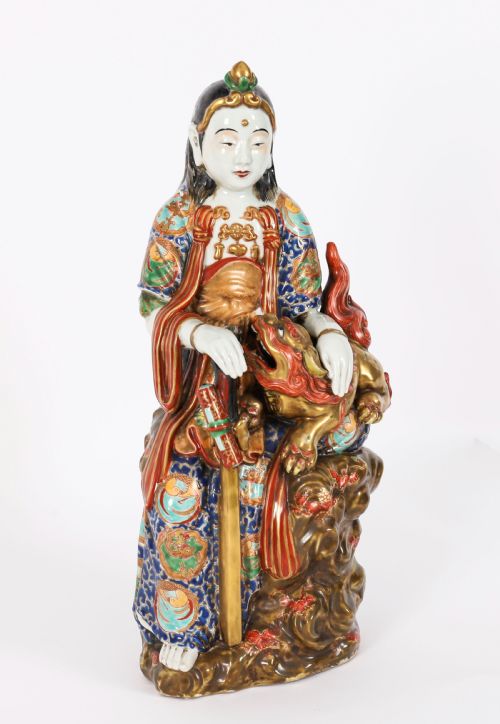
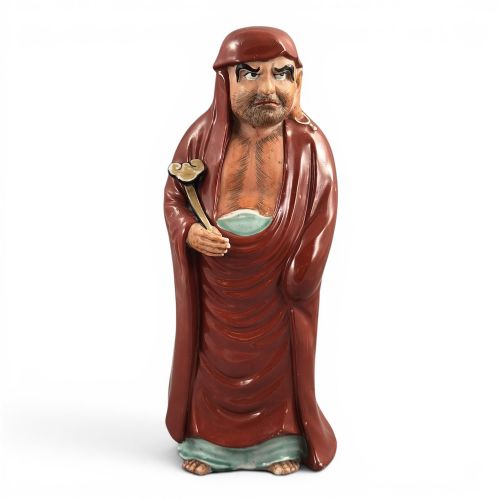
These Japanese Meiji porcelain sculpture pieces bring legendary figures and animals into your home with remarkable detail.
Meiji Porcelain Sculpture
When you search for a meiji porcelain sculpture, you enter a world of Japanese artistry spanning the late nineteenth and early twentieth centuries. These works include deities, legendary figures, and animals rendered in porcelain and earthenware.
The objects take the form of okimono, figurines, and statues depicting subjects such as Kannon, Daruma, and guardian lion dogs. Many pieces originate from regional kilns like Kutani, Satsuma, and Hirado.
You are most likely to encounter figures of Buddhist deities, mythical beasts, and human subjects produced during the Meiji period. These items served primarily as decorative ornaments for display within interiors.
Materials and Construction
The makers utilised porcelain, earthenware, and glazed ceramic bodies to form the core of each sculpture. These materials were shaped into complex figures of humans, deities, and animals with careful attention to proportion.
Makers applied enamel, polychrome enamel, and cobalt underglaze to decorate the surfaces of the figures. Selected areas often received additions of gold leaf and detailed moriage relief work to enhance the visual impact.
Listings feature works from the Meiji period, with materials including porcelain, earthenware, enamel, and gold leaf.
Assessing Quality
The distinction between standard works and exceptional pieces lies in the precision of the modelling and the complexity of the glaze work. Finer examples display meticulous control over cobalt underglaze and polychrome enamels.
Signed works from notable kilns or specific artists demonstrate superior craftsmanship in the rendering of facial expressions and anatomical detail. The application of gold leaf and relief decoration further elevates the standing of a piece.
Makuzu Kozan II·Kizan
The Meiji Porcelain Sculpture Glossary
- Okimono
- A Japanese term for a decorative object or sculpture intended for display on a shelf or in a tokonoma alcove. These freestanding figures often depict animals, deities, or notable people.
- Kutani
- A style of Japanese porcelain known for vibrant polychrome enamels and generous use of gold. Kutani pieces frequently feature rich red and green palettes.
- Satsuma
- A type of Japanese pottery with a crackle glaze, typically decorated with elaborate enamel and gold designs. Satsuma wares often represent figures from Japanese folklore and religion.
- Hirado
- A tradition of Japanese porcelain celebrated for its brilliant white body and fine sculptural detail. Hirado kilns produced delicate figures of animals and children.
- Moriage
- A decorative technique using slip trailing to create raised relief patterns on ceramics. This method adds tactile texture beneath the glaze and enamel layers.
Meiji Porcelain Sculpture: Frequently Asked Questions
What is a meiji porcelain sculpture?
A meiji porcelain sculpture is a decorative figurine or statue produced in Japan during the Meiji period. These pieces depict deities, historical figures, and animals.
They reflect the traditional craftsmanship of kilns such as Kutani, Satsuma, and Hirado, utilising glazes and enamels.
What do okimono sculptures represent?
Okimono sculptures represent a wide array of subjects, including gods of longevity, mythical beasts, and everyday figures. They were created as ornamental pieces for interior display.
Common depictions include Jurojin, Daruma, and various animals carved with expressive detail.
How do I care for antique porcelain?
Antique porcelain requires gentle handling and placement away from direct sunlight and dramatic temperature changes. Dusting with a soft, dry cloth is usually sufficient for maintenance.
Avoid using harsh cleaning agents or submerging pieces with delicate gold leaf or enamels in water.