


Meiji Kutani Ceramic Vases
Meiji Kutani ceramic vases combine intricate painted imagery with vibrant enamel decoration, offering collectors a striking example of nineteenth century Japanese export artistry.
Meiji Kutani Ceramic Vases
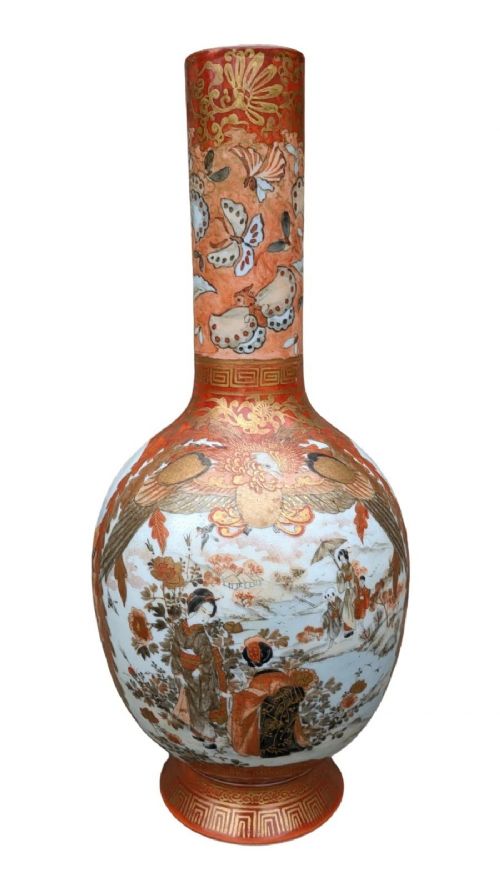
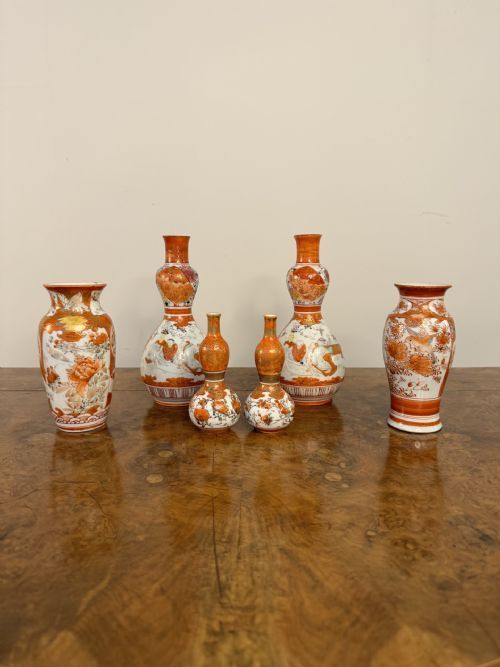
These pieces are Meiji Kutani ceramic vases originating from Japan, typically produced during the nineteenth century within the Meiji period. Buyers encounter various forms on this page, ranging from large pairs of flared neck vessels to smaller hand-painted examples and cylindrical shapes.
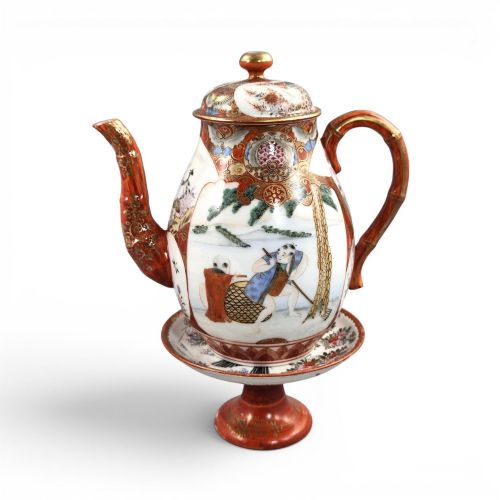
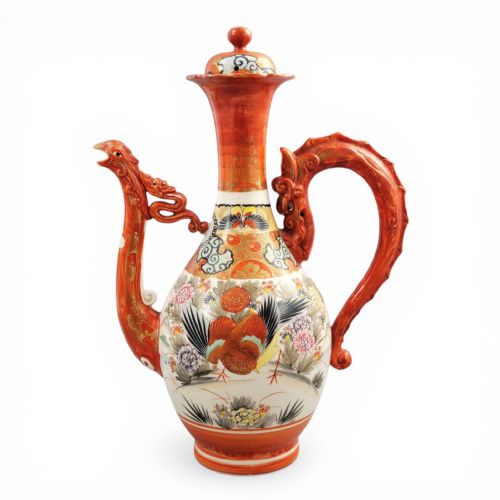
The selection includes decorative items featuring distinct design elements such as lion handles, geometric inset panels, and dragon ewers with phoenix spouts. Many of these ceramic works reflect the aesthetic standards of Japanese export pottery created during the late eighteen hundreds.
Vessels span different sizes, from tall bulbous bodies down to small decorative items, alongside related forms like chargers and table lamps. The recurring presence of nineteenth century dating indicates the core era represented in these listings.
Materials and construction methods
Makers formed these items using porcelain as the primary ceramic body, shaped into cylindrical, bulbous, or flared neck profiles. This white clay base provided a smooth surface suited for subsequent surface decoration.
Artisans applied coloured enamel paints by hand, often incorporating gold leaf, gilding, and brass details to highlight specific motifs. Certain workshops utilised raised moriage techniques to add tactile dimension to the painted surface designs.
Listings feature porcelain vessels utilising enamel, gold leaf, and gilding from the 19th century down to 1900.
Distinctions in craftsmanship
Quality rests in the precision of the hand-painted brushwork and the complexity of the enamel and gilt application across the ceramic body. Finer examples display disciplined execution in intricate panel work and figurative or floral scenes.
The physical scale and structural ambition of the piece also differentiate the range, with large matched pairs requiring greater technical skill in firing and decoration than smaller standalone vessels.
Kinrin Workshop
The Meiji Kutani Ceramic Vases Glossary
- Meiji Period
- The era in Japanese history spanning from 1868 to 1912, characterised by opening trade with the West and significant artistic production. Many exported ceramics date from this specific timeframe.
- Kutani
- A style of Japanese porcelain traditionally associated with Kaga province, known for colourful enamel overglaze painting. The palette frequently employs rich reds and golds.
- Moriage
- A ceramic decoration technique where slip is piped onto the surface in dots or lines to create a raised, textured design. This method appears on specific nineteenth century vessels.
- Ewer
- A large jug or pitcher with a wide spout, used historically for pouring water or wine. In this collection, ceramic versions incorporate dragon and phoenix motifs.
- Gilding
- The application of gold leaf or gold powder to a surface for decorative effect. It appears extensively alongside enamel work on export ceramics.
Meiji Kutani Ceramic Vases: Frequently Asked Questions
What is a Meiji Kutani ceramic vase?
These are Japanese ceramic vessels produced during the Meiji period, typically decorated with hand-painted enamels and gold leaf.
They reflect the export styles popular in the nineteenth century, featuring diverse shapes such as cylindrical bodies and flared necks.
How do I date these vases?
Dating relies on stylistic markers associated with the nineteenth century and the Meiji period, alongside material evidence like porcelain and enamel types.
Most pieces on this page originate from the decades between 1870 and 1900.
What materials are used?
The primary material is porcelain, painted with coloured enamels and frequently embellished with gilding or gold leaf.
Additional elements such as brass or wood occasionally appear in associated stands or mounts.
How were they displayed?
These vessels functioned as decorative interior objects, often placed on wooden stands or paired symmetrically on furniture surfaces.
Some examples were later adapted into table lamps while retaining their original ceramic bodies.