


Japanese Glazed Porcelain Figure
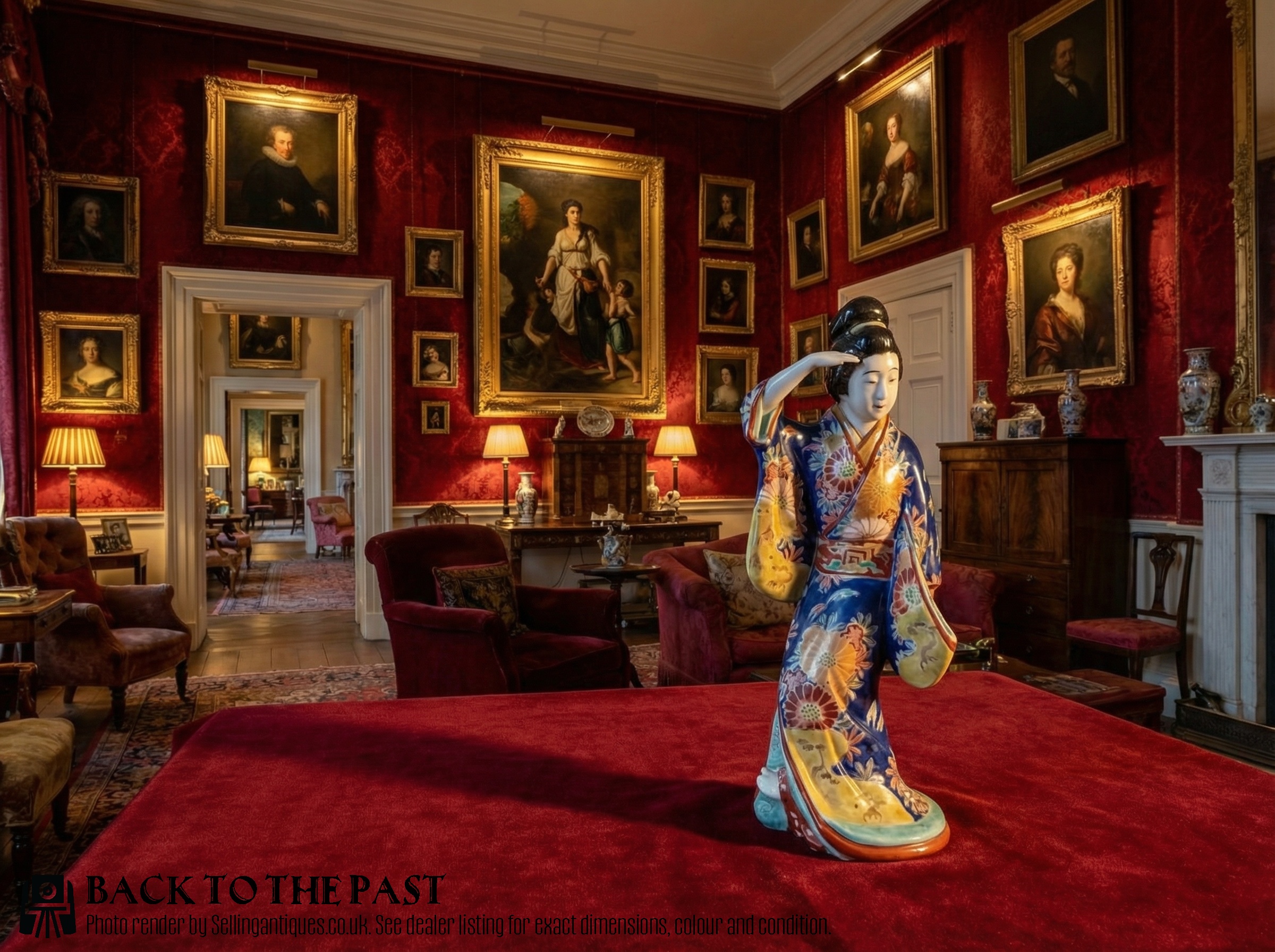
These japanese glazed porcelain figure pieces bring the character of late nineteenth and early twentieth century studio work into your home.
Japanese Glazed Porcelain Figure
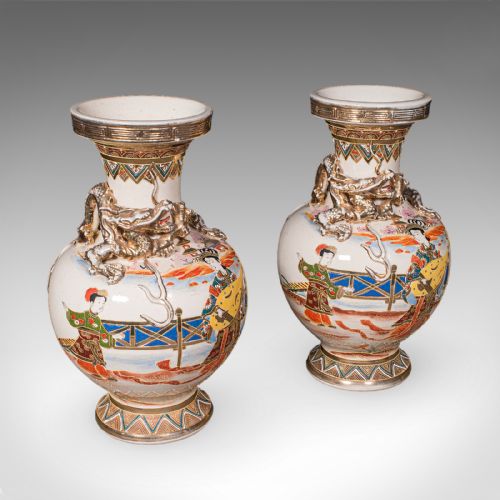
A japanese glazed porcelain figure captures traditional subjects from deities and courtesans to animals and mythological guardians across the Meiji, Taisho, and Victorian periods. You will encounter various forms here, ranging from small ceramic figurines and decorative figures to okimono sculptures, Satsuma vases, and Kutani models.
The objects stem from distinct production centres and workshops, including Satsuma, Kutani, Arita, and Hirado, alongside specialised Tokyo Taizan and Sumida Gawa pottery. These pieces reflect the shifting artistic tastes of the late nineteenth and early twentieth centuries, spanning Edwardian and late Victorian eras.
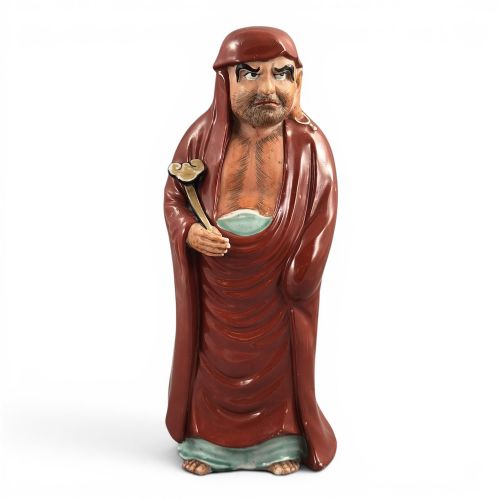
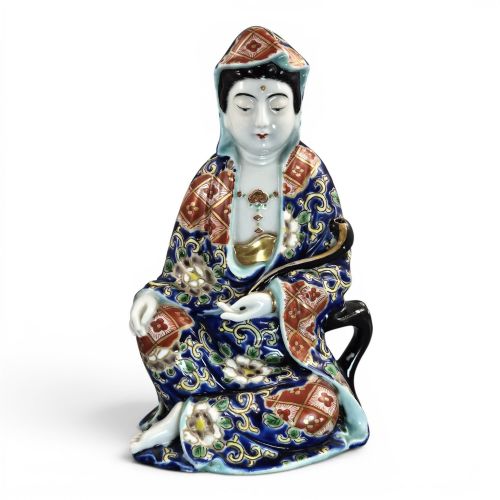
Moulded and hand-modelled works depict figures such as Bodhidharma, Jigoku Dayū, Daikoku, Hotei, Kannon, and Rakan, often accompanied by Karako or shishi lions. Buyers seeking these ceramics find a mix of decorative bowls, tea caddies, brush washers, and standalone sculptural pieces.
Materials and Construction
The body is formed from fine porcelain or earthenware, shaped into balanced baluster vessels, vessels with cobalt grounds, or intricate figurative sculptures. Potters utilised specialised clay bodies suited to the distinct requirements of Kutani, Arita, and Hirado kilns.
Surfaces are finished with coloured glazes, enamel decoration, and delicate cold paint accents. Artisans applied intricate moriage relief work alongside gold gilt and gold leaf highlights to accentuate court figures, robes, and decorative borders.
A set of three Hirado puppies captures playful canine energy in glazed ceramic, proving that nineteenth-century potters loved a cheeky hound as much as we do.
Assessing Craftsmanship
Quality rests in the precision of the modelling and the finesse of the hand-painted details upon the porcelain body. Superior examples display crisp facial expressions on figures like Kannon or Daruma, balanced proportions in animal models such as shishi lions or puppies, and precise application of moriage and gold gilt.
The depth and consistency of the cobalt ground and coloured enamel glazes distinguish finer works from standard production pieces. Signed pieces from established workshops and recognised makers like Kōko or Kinkozan often demonstrate superior control over the kiln firing and decorative finish.
Kōko·Kinkozan Kyoto·Tokyo Taizan
The Japanese Glazed Porcelain Figure Glossary
- Okimono
- A Japanese decorative figurine intended for display in an alcove or on a shelf. These standalone sculptures often depict deities, historical figures, or mythical beings.
- Moriage
- A decorative technique where slip is piped onto the ceramic surface in raised dots or lines before glazing and firing. This creates a tactile, textured relief effect frequently seen on Satsuma wares.
- Shishi
- A mythical guardian lion or Foo dog depicted in sculpture and ceramic art. These figures often appear with flowing mannes and fierce expressions protecting sacred spaces.
- Kutani
- A style of Japanese porcelain and pottery known for bold enamel colours and intricate pictorial designs. Pieces from this tradition often feature figures, birds, and floral motifs.
- Baluster
- A vase shape characterised by a rounded body that tapers toward the base and swells near the lower portion. This classic form provides a stable canvas for complex figurative scenes.
Japanese Glazed Porcelain Figure: Frequently Asked Questions
What is an okimono figure?
An okimono is a decorative carving or ceramic sculpture designed for interior display rather than functional use. These pieces traditionally occupied tokonoma alcoves in Japanese homes.
They depict a wide range of subjects, from revered religious figures and folklore characters to everyday animals and labourers.
What do shishi figures represent?
Shishi, or guardian lions, symbolise protection, strength, and the warding off of evil spirits in Japanese and broader East Asian traditions. They frequently appear paired or guarding sacred objects.
In ceramic form, these muscular beasts are rendered with curling mannes, open mouths, and dynamic postures.
How should I clean porcelain figures?
Dust these delicate ceramics gently using a soft, dry brush to prevent accumulation in recessed carved areas and painted details. Avoid using water, harsh cleaning agents, or abrasive cloths.
Liquid cleaners can damage delicate cold paint, enamel work, and gold leaf applications found on nineteenth-century surfaces.