


Antique Asian Ceramic Statue
An antique asian ceramic statue brings centuries of sculptural tradition into a room, offering finely modelled figures that collectors prize for their intricate detail.
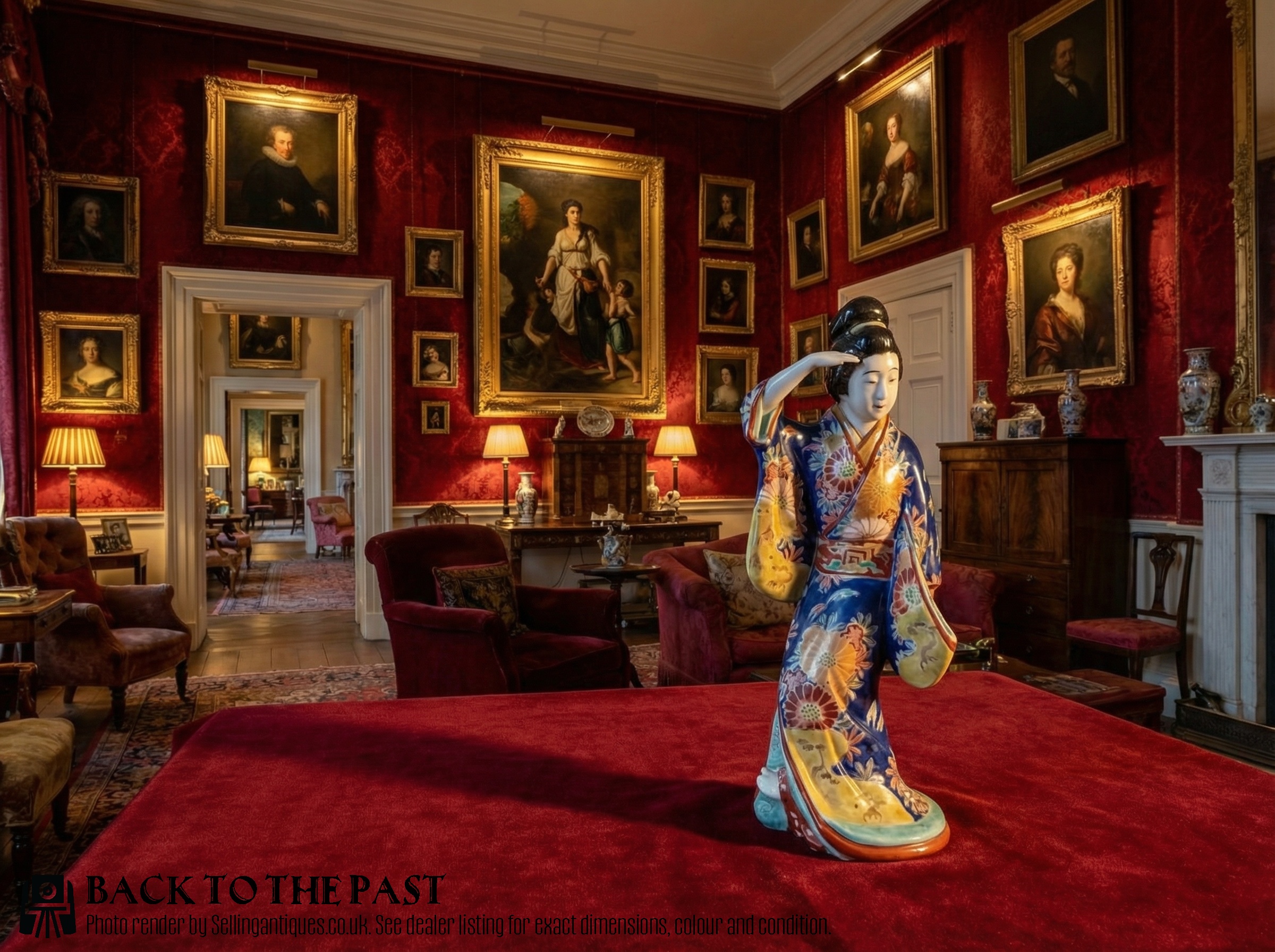
Antique Asian Ceramic Statue
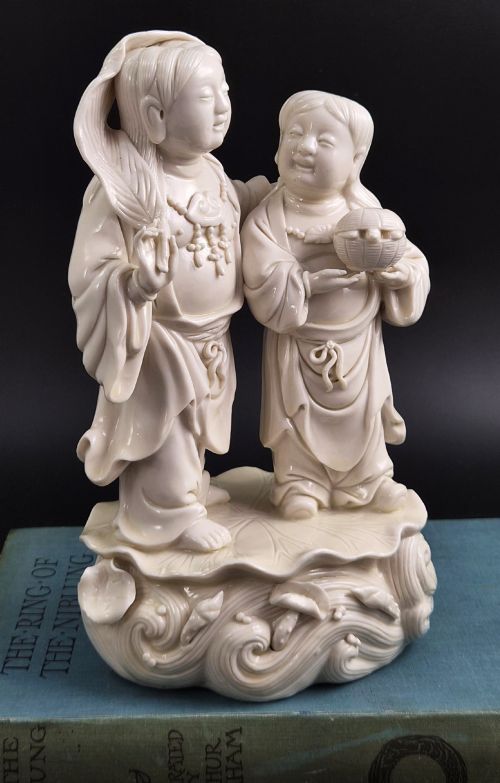
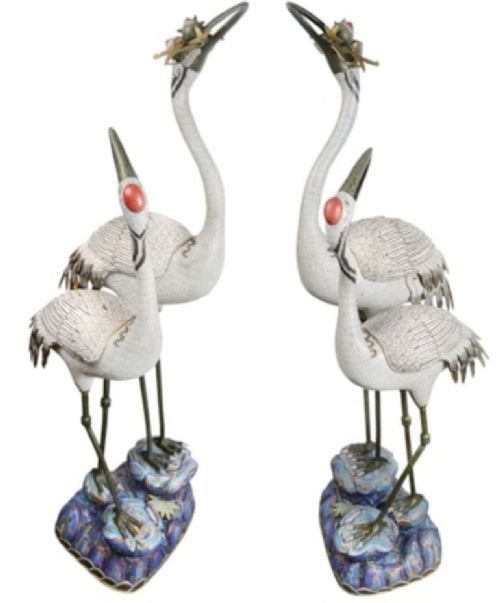
An antique asian ceramic statue encompasses figures, figurines, and sculptures originating from Japanese and Chinese traditions. The pieces on this page span several centuries, reaching back through the Qing and Ming Dynasties as well as the Japanese Meiji and Taisho periods.
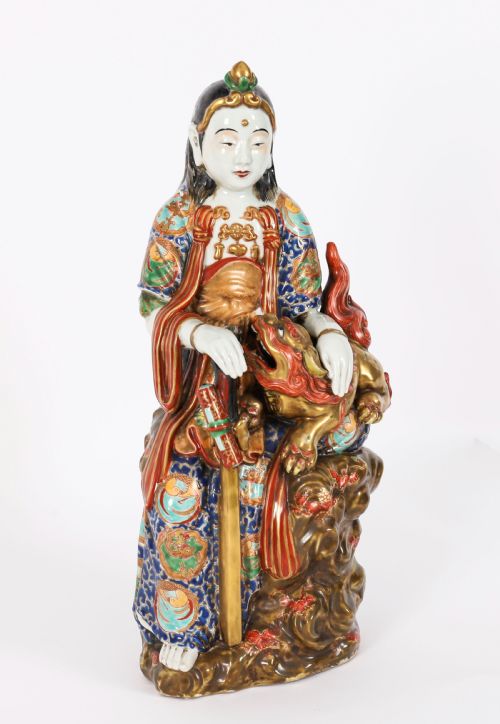
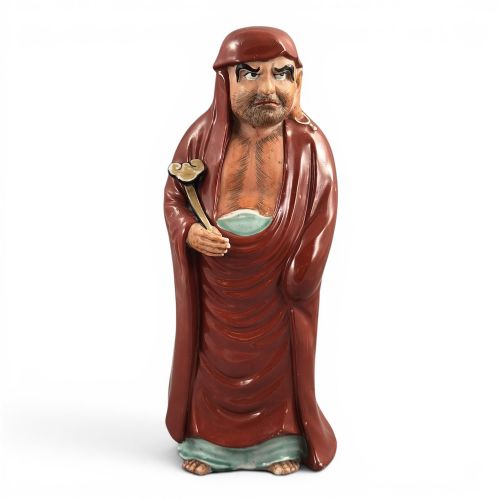
Buyers most frequently encounter Japanese Kutani porcelain figures and Satsuma okimono depicting deities, monks, and animals. Chinese works including Shiwan lion dogs and turquoise glazed cockerels also appear among the selections.
These ceramic statues function as decorative figures and architectural roof ornaments. Their subjects range from Buddhist deities such as Kannon and Guanyin to mythical beasts and historical figures.
How they were made
Makers utilised ceramic, porcelain, earthenware, and terracotta as the primary structural bases for these figures. Artisans shaped the clay by hand or in moulds before firing the bodies in kilns.
Mandarin ducks appear alongside stern Buddhist deities, reminding us that potters enjoyed carving charming waterfowl just as much as divine protectors.
What varies in quality
Quality rests upon the precision of the modelling and the control demonstrated during the firing process. Finer pieces display crisp facial expressions and delicately rendered fingers, robes, and feathers without distortion.
The application of enamel and gold leaf distinguishes standard production from superior examples. Controlled brushwork and vibrant, stable pigments indicate a higher grade of workshop output.
Makuzu Kozan II
The Antique Asian Ceramic Statue Glossary
- Okimono
- A Japanese term for a decorative object or figurine designed for display on a shelf or in a tokonoma alcove. These small sculptures often depict mythological figures, animals, or daily life.
- Kutani
- A style of Japanese coloured porcelain originating from Ishikawa prefecture. It is typically characterised by bold palettes and extensive use of iron-red and gold.
- Satsuma
- A type of Japanese earthenware featuring a pale, ivory-coloured crackle glaze. Pieces are frequently decorated with intricate enamel designs and raised gilding.
- Famille Verte
- A Chinese porcelain palette dominated by green enamel hues, developed during the Qing Dynasty. Artisans combined this green with other polychrome pigments to create detailed pictorial scenes.
Antique Asian Ceramic Statue: Frequently Asked Questions
Where were these ceramic statues displayed?
These figures were traditionally displayed within household interiors, temples, and formal reception rooms across Asian residences. Owners placed them on dedicated stands or shelves as objects of contemplation and decoration.
Larger architectural elements, such as roof ornaments, were positioned externally on buildings to serve protective or decorative functions. Interior statues generally occupied prominent positions where their detailed glazes and enamels could be appreciated closely.
How do I identify a Meiji period figure?
Meiji period figures typically date from the late nineteenth to early twentieth centuries and reflect the rapid artistic output of that era. They often incorporate signature Kutani or Satsuma styles with detailed enamel work.
Examining the base and the finesse of the modelling helps confirm the period. Many works from this time combine traditional religious iconography with an increased focus on realistic animal and human forms.
What is a Buddhist lion dog?
A Buddhist lion dog, often called a Foo Dog, is a mythical guardian creature derived from traditional Chinese iconography. Statues of these beasts were placed in pairs to guard sacred spaces and important doorways.
Rendered in materials like Shiwan ceramic or glazed earthenware, they feature stylised mannes, powerful paws, and dynamic postures. One animal typically holds a brocade ball while the other restures a cub.
How should I clean antique ceramics?
Cleaning antique ceramic statues requires a gentle approach to protect delicate enamel, gold leaf, and surface glazes. Dusting should be performed with a soft, dry brush to remove particulate matter without causing abrasion.
Water and liquid cleaners should generally be avoided unless handled by a professional restorer, as moisture can penetrate unglazed areas or lift fragile pigments. Keeping pieces away from direct sunlight and fluctuating humidity preserves the stability of the clay and decoration.