
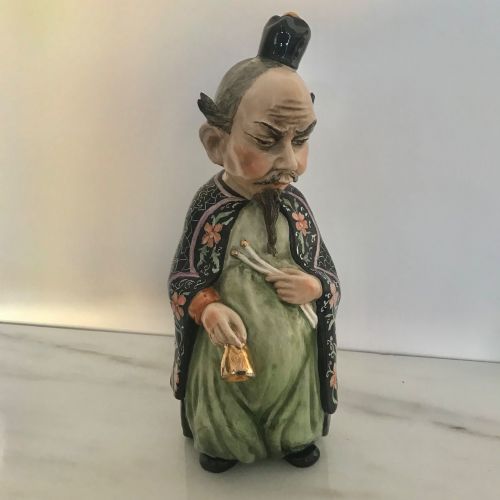


Oriental Porcelain Ornament
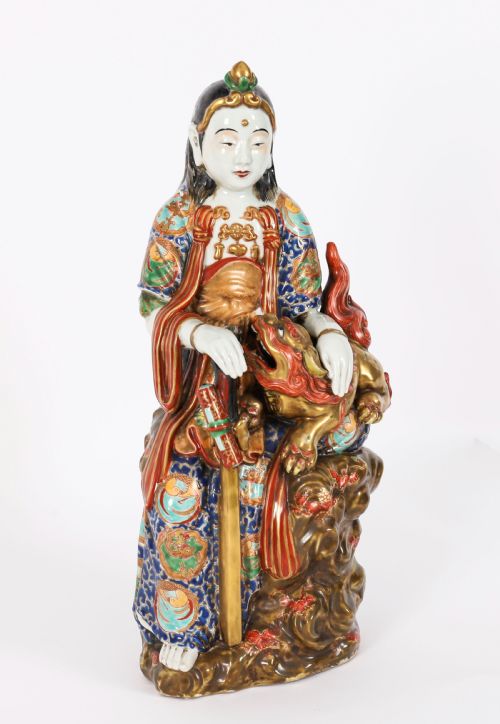
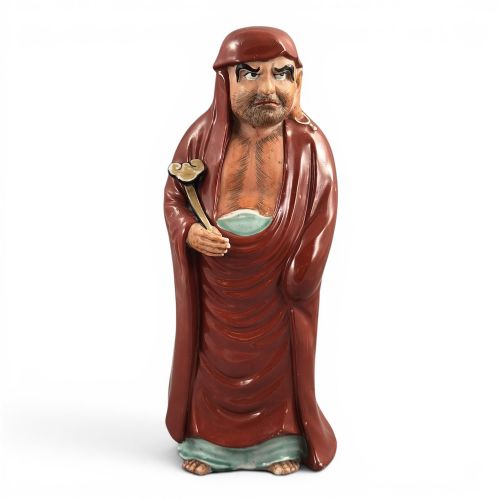
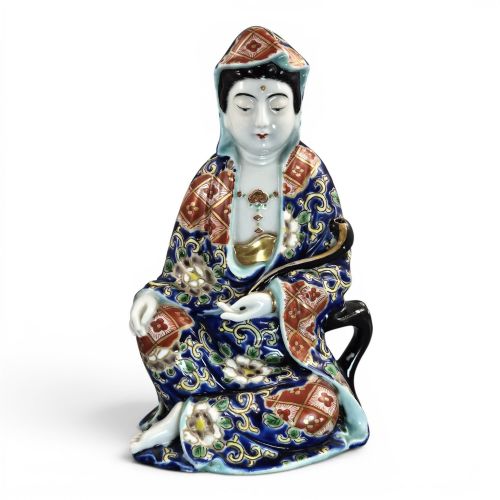
An oriental porcelain ornament brings centuries of East Asian craftsmanship into a room, offering finely modelled figures and animals that capture historical eras.
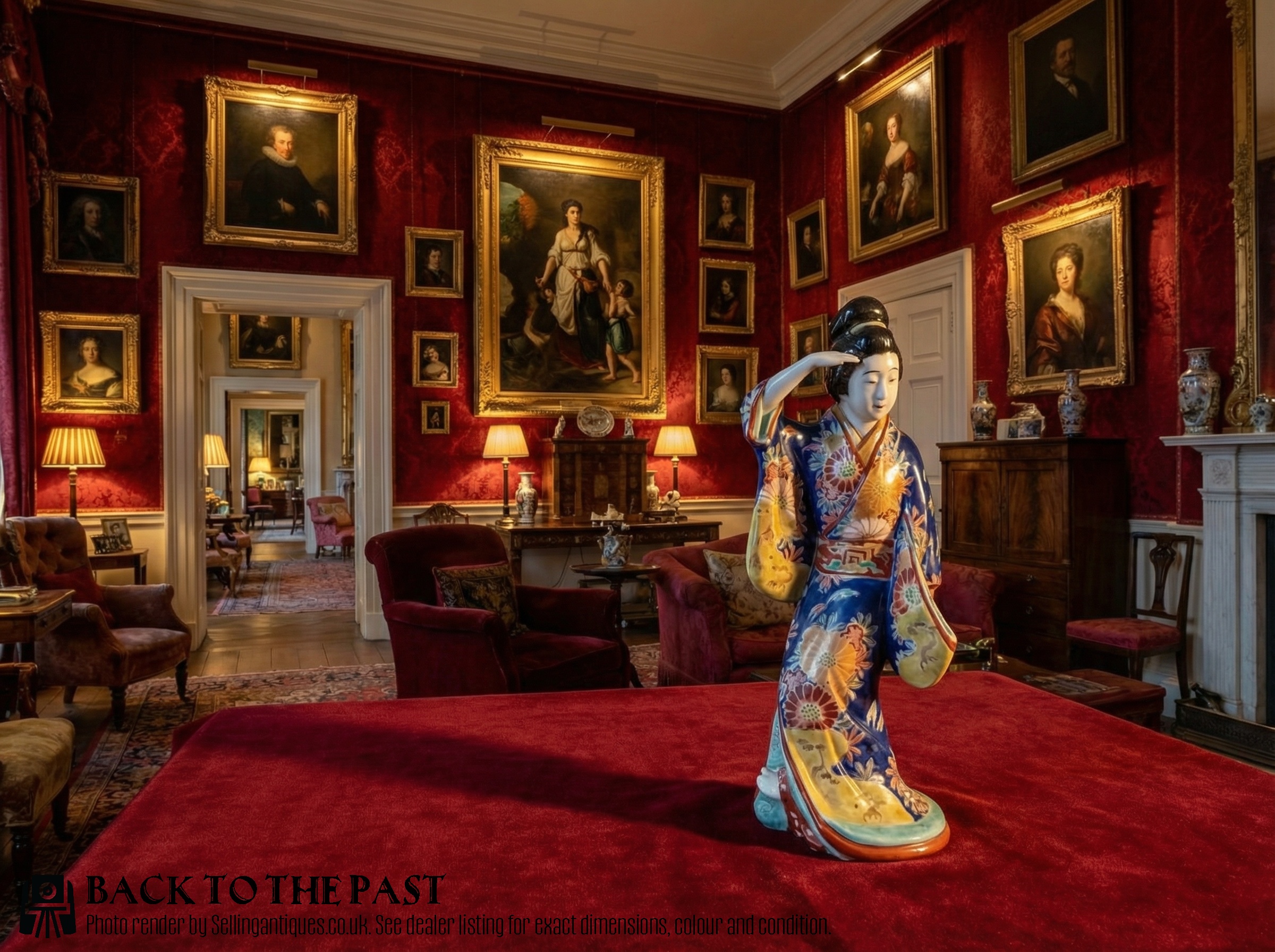
Oriental Porcelain Ornament
An oriental porcelain ornament encompasses figurative sculptures, okimono, and decorative vessels originating from China and Japan. Buyers exploring this category will frequently encounter Japanese Meiji period figures alongside Chinese export and Qing dynasty ceramic works.
The selection ranges from large decorative pairs of ducks and temple lions to detailed figurines of deities, courtesans, and animals. These pieces reflect diverse cultural narratives, spanning traditional folklore, Buddhist iconography, and domestic scenes.
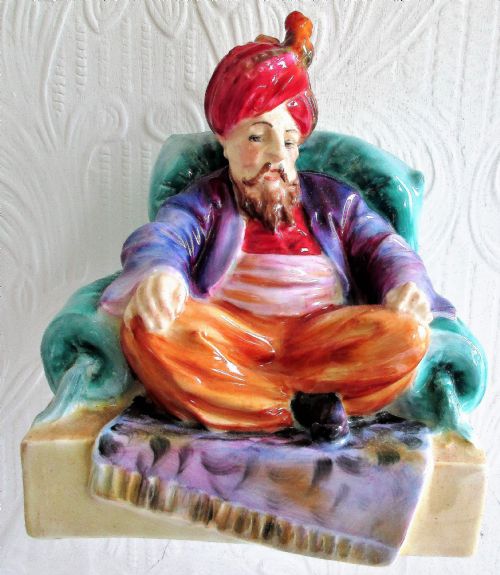
Examples date from the mid-eighteenth century through to the Edwardian era and the nineteen-thirties, showing notable variety in regional forms. English porcelain alternatives also appear, demonstrating how western factories adopted eastern decorative themes.
Materials and production methods
Potters shaped these pieces from porcelain, earthenware, and ceramic bodies before applying detailed glazes and enamels. Artisans frequently utilised polychrome enamel, gold leaf, and sancai glazes to build rich surface depth.
Firing techniques allowed kilns to achieve specific crackle finishes, turquoise glazes, and famille verte palettes. Master modellers sculpted figures by hand, ensuring precise anatomical details in subjects such as horses, dogs, and human deities.
A porcelain frog occasionally peers from a shelf, reminding us that potters enjoyed humorous subjects just as much as solemn deities.
Distinctions in quality and finish
Quality rests upon the fineness of the modelling and the precision of the hand-painted enamel decoration. Superior examples display crisp facial expressions, controlled pigment application, and well-balanced glazing without distracting surface flaws.
Signatures by recognised makers or kilns often elevate a piece, alongside the complexity of the sculptural form. Larger dimensions and matching pairs present greater technical challenges during firing, which influences the sophistication of the final work.
Makuzu Kozan II·Kōko
The Oriental Porcelain Ornament Glossary
- Okimono
- A Japanese ornamental statue or figurine designed for display in a domestic alcove. These pieces depict deities, animals, and historical figures with high artistic detail.
- Famille Verte
- A ceramic palette dominated by green enamel colours, introduced during the Qing dynasty. Artisans combined this with other polychrome pigments to create detailed pictorial surfaces.
- Satsuma
- A type of Japanese earthenware featuring a ivory-crackled glaze decorated with fine enamel and gold leaf. It gained significant popularity during the Meiji period.
- Kutani
- Japanese porcelain characterised by bold colour schemes, frequently incorporating reds, golds, and intricate pictorial designs. Kilns in the Ishikawa prefecture produced these distinctive figures and vessels.
- Sancai
- A three-colour glaze technique used in Chinese pottery, typically combining green, amber, and cream tones. This method dates back centuries and appears on animal figures.
Oriental Porcelain Ornament: Frequently Asked Questions
How do I date Chinese porcelain figures?
Dating relies on stylistic markers, glaze composition, and historical reign periods such as the Qianlong or Kangxi eras. Examination of the ceramic body and enamel colours provides further clues to the manufacturing decade.
Earlier pieces often exhibit specific pigment combinations like famille verte, while later works from the twentieth century show distinct modern influences.
Where should I display these ornaments?
These ceramic and porcelain figures suit stable display surfaces away from direct sunlight and heavy foot traffic. Cabinets or mantelpieces offer secure environments for delicate okimono and glazed animals.
Providing adequate space around larger pairs or sculptures allows the fine enamel work and detailed modelling to remain visible.
What is Satsuma ware?
Satsuma ware is a distinct style of Japanese pottery known for its pale, crackled earthenware glaze. Artisans ornamented these surfaces with elaborate polychrome enamels and gold leaf.
Originating in the Satsuma province, production expanded significantly during the Meiji period to supply international demand for decorative figures.