




Vintage Japanese Okimono
Vintage Japanese okimono bring cabinet sculpture into the home, offering small figures that collectors prize for their observation of animals and people.
Vintage Japanese Okimono
When you search for vintage Japanese okimono, you encounter a variety of sculptural forms created for display rather than utility. These decorative ornaments range from garden statuary to small figurines placed on desks and shelves.
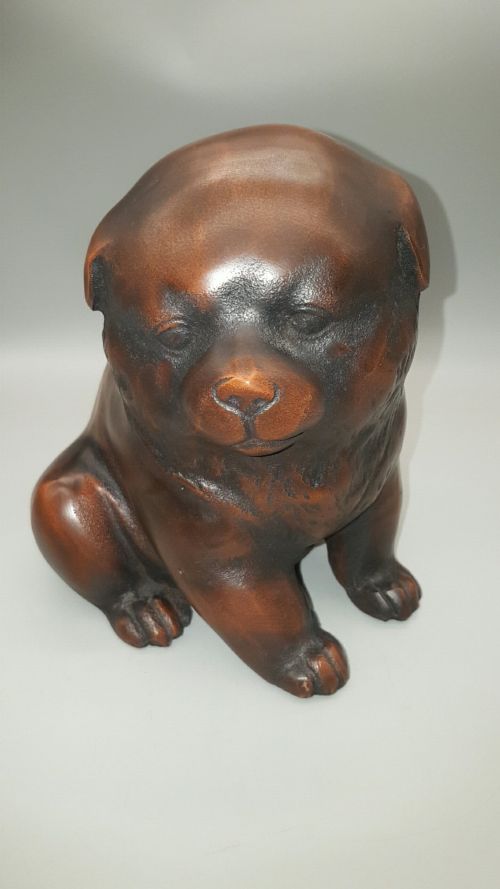
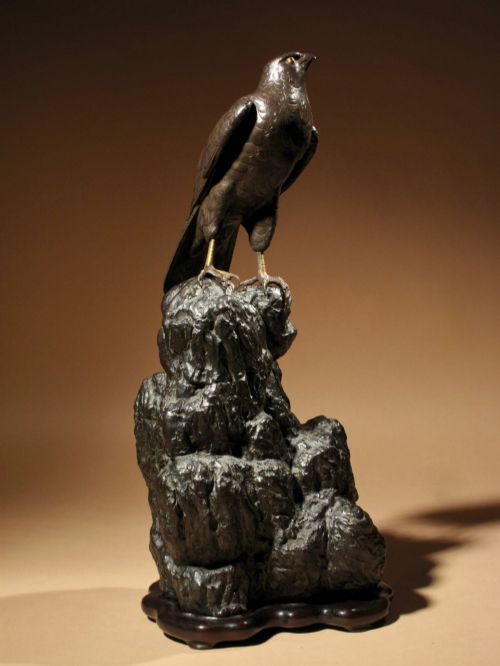
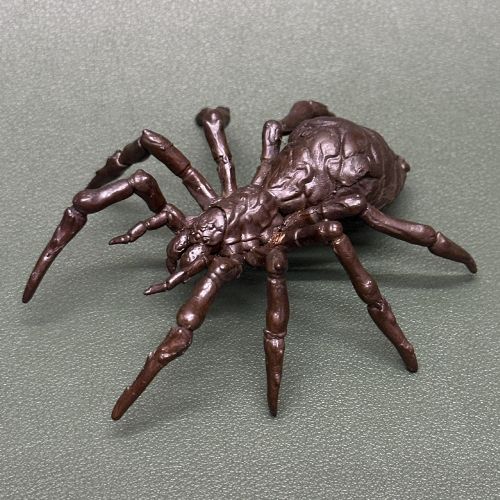
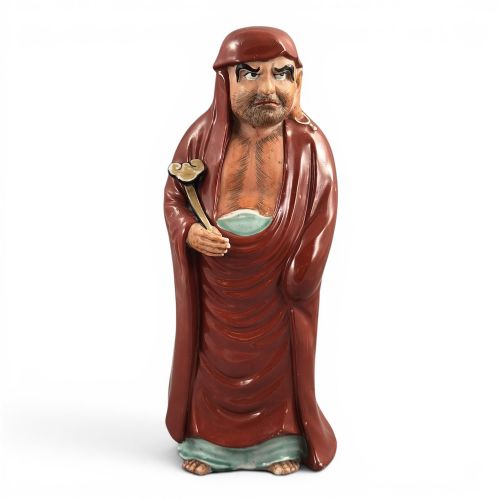
The selections span multiple eras, including the 19th Century, Meiji Period, Showa Period, and Edwardian years. You find subjects as diverse as Akita puppies, hawks, tarantula spiders, Daruma figures, geese, and rabbits.
Makers and workshops of this period produced both single figures and pairs, utilising distinct materials to capture naturalistic postures. The groupings include paperweights and netsuke alongside larger bronze and wood sculptures.
How they were made
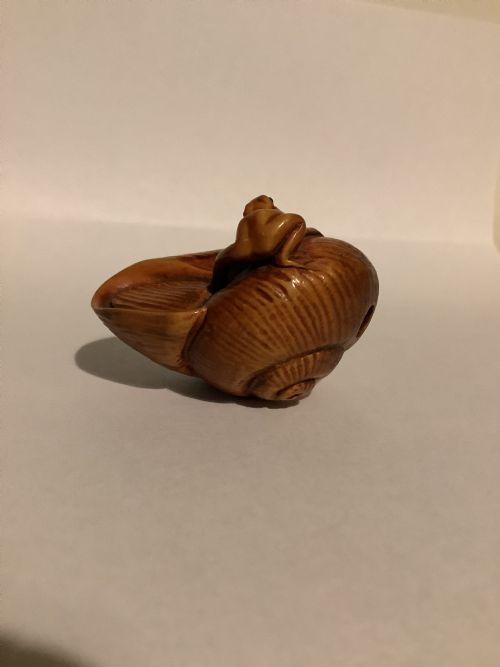
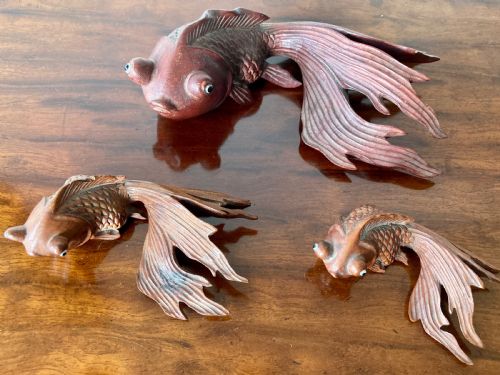
Carvers shaped boxwood and other timbers into detailed animal and human forms using traditional chisels and hand knives. Other pieces rely on bronze casting, often featuring patination to enhance the texture of feathers, fur, and carapace.
Ceramic works employ porcelain and ceramic glaze, notably seen in Kutani and Hirado wares decorated with enamels. Artisans combined these core materials with careful surface finishing to define the contours of each subject.
Spiders, toads, and geese share shelf space here, proving that Victorian and Edwardian collectors adored creatures with legs.
What varies in quality
The standard of carving or casting dictates the success of a piece, separating mechanical repetition from spirited observation of nature. Mastery shows in the tension of a spider's legs, the expression of a puppy, or the grain handling in boxwood.
Material selection and finish play a major role, from the depth of a bronze patina to the crisp application of enamel on porcelain. Superior examples maintain balance and proportion regardless of their scale.
Tsunemitsu
The Vintage Japanese Okimono Glossary
- Okimono
- A Japanese term for a stand-alone decorative object or sculpture intended for display in a tokonoma or room. These pieces focus on ornamental appeal rather than religious use.
- Netsuke
- A small carved toggle fastened to the end of a cord attached to a pouch or medicine box. Carvers shaped them from wood and other materials with a perforated channel for the cord.
- Patinated Bronze
- Metal sculpture treated with chemicals and heat to alter its surface colour and texture. This process heightens the realism of animals and natural elements.
- Boxwood
- A dense, pale hardwood favoured by carvers for its fine grain and ability to hold intricate detail. It ages to a warm honey tone with handling.
- Kutani
- A style of Japanese porcelain known for bold colourful glazes and pictorial decoration. Figures in this medium often depict historical or legendary subjects.
Vintage Japanese Okimono: Frequently Asked Questions
What is an okimono?
An okimono is a Japanese freestanding sculpture designed purely for display within a domestic interior. These objects occupy shelves, tables, and cabinets as decorative ornaments.
Unlike temple images or utilitarian vessels, they exist to showcase the skill of the carver or metalworker in depicting nature, folklore, and daily life.
How were okimono used?
People placed these sculptures on flat surfaces around the home to be admired up close by guests and family members. Some forms served specific secondary functions, such as paperweights on a desk.
Larger versions were sometimes cast for placement in gardens, while smaller carvings sat on display stands or inside alcoves.
How do I tell wood from bronze?
Wood sculptures display natural grain patterns and respond to touch with a warm, organic feel. Bronze pieces are heavier, colder to the touch, and often show patinated surfaces.
Examining the base and edges under good light usually reveals the distinct texture of carved timber versus cast metal.
Are these pieces antique?
The pieces span the 19th Century, Meiji Period, Edwardian era, and Showa Period. Many carry the age and wear associated with long-established decorative arts.
Date attribution relies on stylistic traits, material handling, and historical production periods rather than single markers.