



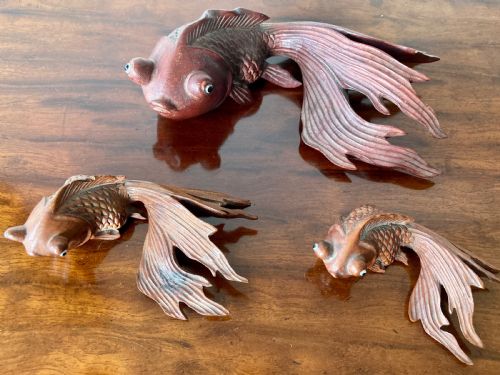


Japanese Wooden Ornament
A Japanese wooden ornament brings tactile warmth and disciplined carving into a room, spanning rustic folk art figures and delicate okimono.
Japanese Wooden Ornament
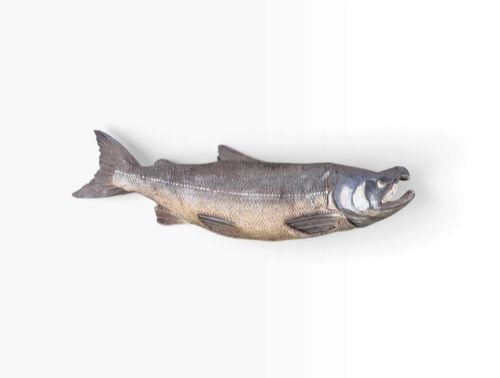
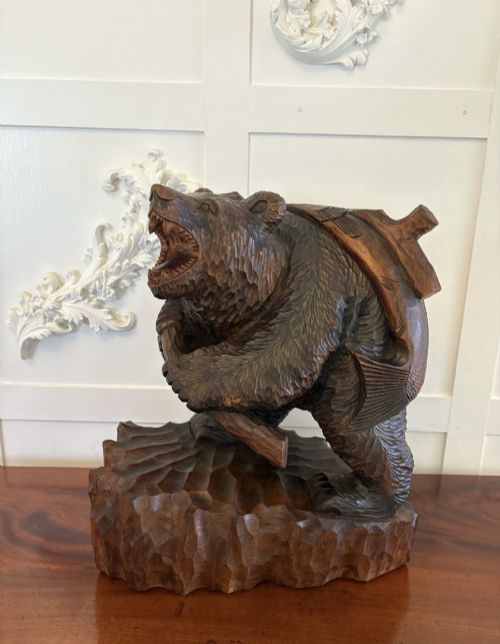
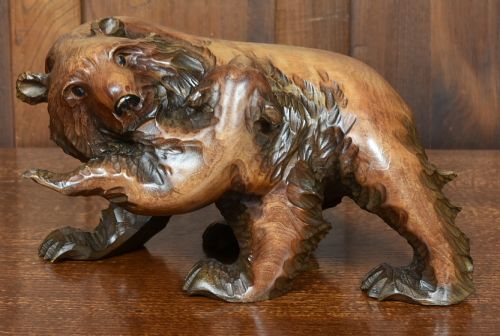
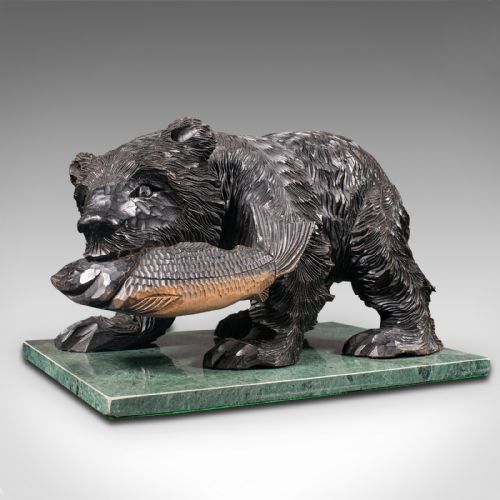
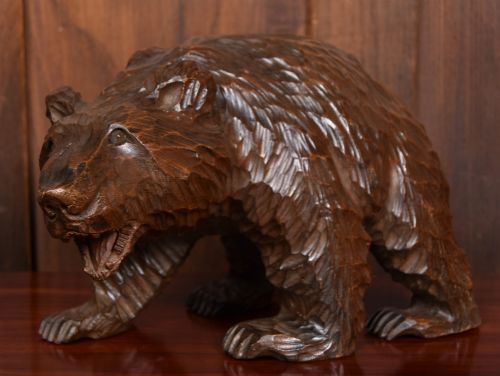
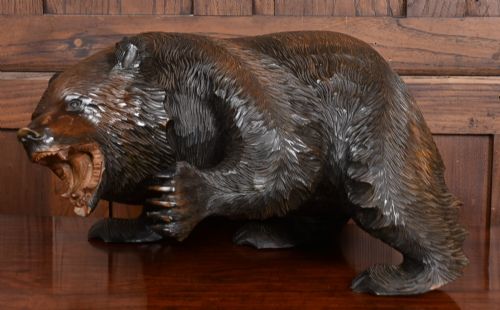
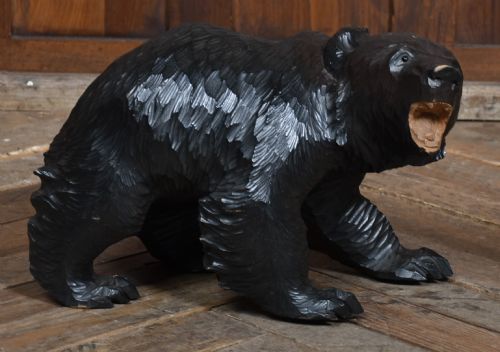
A Japanese wooden ornament encompasses a diverse range of carved forms, from substantial Meiji period hardwood figures of men to rustic folk art animal sculptures. You will frequently encounter carved cedar bears, known as kibori kuma, alongside smaller boxwood netsuke, paperweights, and sculptural representations of fish, turtles, and frogs.
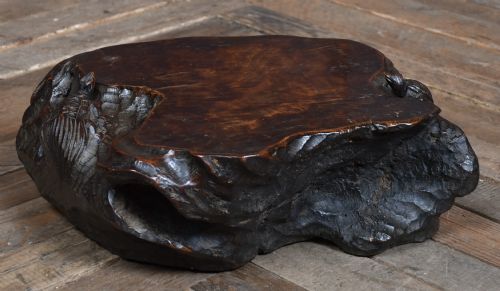
The objects originate from various periods including the 19th century, Meiji period, and the 1930s Showa era. Pieces such as bonsai display stands and fish sculptures highlight the traditional craftsmanship tied to nature and domestic display.
Navigating this selection reveals both whimsical representations of fauna like rabbits and toads alongside large decorative animal figures. The common thread is the traditional use of timber to capture lively animal forms and human figures.
Judging Quality and Execution
Proportion and the handling of the wood grain significantly influence the presence of a piece. Superior works demonstrate a harmonious balance between the natural material and the carved subject without stiffness in the execution.
Japanese Wooden Ornament Retail Price Guide 2026
Typical asking prices for japanese wooden ornament among the pieces listed under this phrase on Sellingantiques today, from the lower quarter to the upper quarter. They describe what is for sale here now, not the wider market.
Object forms span from functional bonsai display stands and paperweights to sculptural netsuke and animal okimono.
Shuho Nakahara
The Japanese Wooden Ornament Glossary
- Okimono
- A freestanding Japanese decorative object or sculpture designed for display on a shelf or in a tokonoma alcove. These pieces range from human figures to animal carvings.
- Netsuke
- A small carved toggle historically used to secure a pouch or container to a kimono sash. They are prized for their miniature detail and intricate carving.
- Kibori Kuma
- A traditional carved wooden bear, typically holding a fish in its mouth. This style originated as a regional folk art form in Hokkaido.
- Meiji Period
- The era in Japanese history spanning from 1868 to 1912, noted for significant shifts in art production and international export of crafts. Works from this time often exhibit high technical proficiency.
- Bonsai Stand
- A raised wooden platform or display table used to showcase bonsai trees or decorative objects. They are frequently carved in organic shapes like turtles.
Japanese Wooden Ornament: Frequently Asked Questions
What is a kibori kuma?
A kibori kuma is a traditional hand-carved wooden bear originating from northern Japan, often depicted carrying a fish. These carvings are prominent examples of regional Japanese folk art.
They were typically produced as souvenirs or decorative items and remain popular among collectors of wooden animal figures.
How were netsuke used?
Netsuke functioned as practical toggles attached to the cords of traditional Japanese pouches and containers worn suspended from kimono sashes. Their intricate carvings served to anchor the cords securely.
Over time, they evolved from purely functional items into highly collectible miniature sculptures showcasing exceptional woodworking skill.
What wood types are common?
Carvers utilised boxwood, cedar, linden wood, and various dense hardwoods depending on the scale and desired detail of the object. Softer woods allowed for rapid folk art carving, while boxwood suited miniature precision.
These timbers provided the necessary density to withstand intricate chiselling without splitting.
How do I display these?
These ornaments suit placement on desks, shelves, or dedicated display stands where their tactile wooden surfaces can be appreciated up close. Pairing smaller pieces like paperweights with functional spaces brings them into daily use.
Placing them away from direct heat sources helps preserve the condition of the wood and any applied pigments.