






Carved Wood Fish Sculpture
These carved wood fish sculpture examples bring the natural world indoors through the direct work of the carver's hand.
Carved Wood Fish Sculpture
A carved wood fish sculpture brings together traditional regional carving methods and natural subjects, spanning domestic ornaments and larger trade pieces. When you search for carved wood fish sculpture, you encounter diverse regional interpretations ranging from European Black Forest animal studies to Japanese folk art and Pacific Island works.
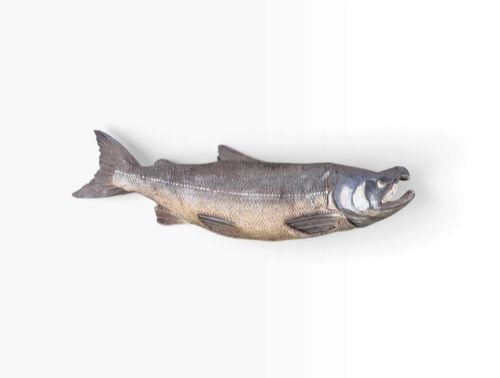
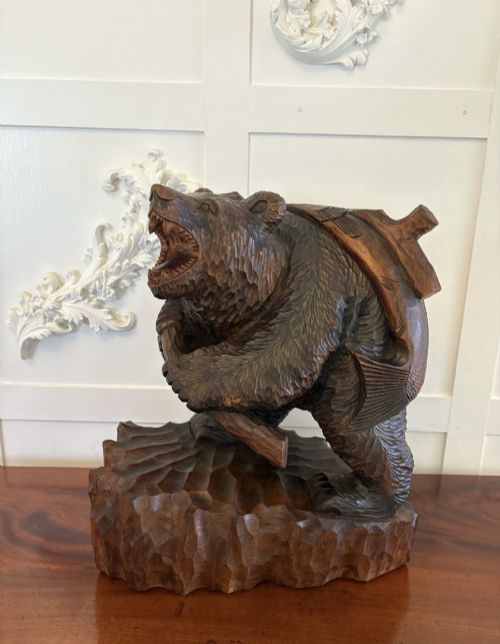
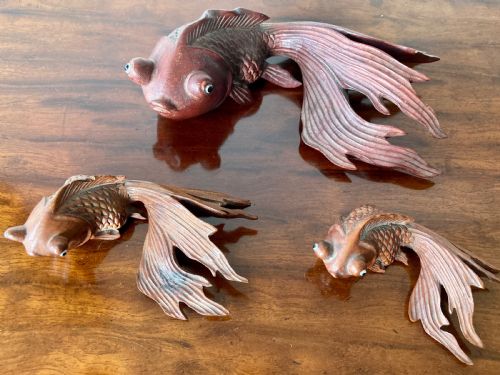
The objects on this page include sculptural figures, practical bookends, and larger trade signs, reflecting how carvers turned their attention to aquatic life and marine subjects. Common formats encompass individual fish studies, multi-figure compositions such as bears carrying fish, and distinct sculptural representations of species like goldfish and flying fish.
Originating across periods from the nineteenth century through the early twentieth century, including Edwardian examples, these pieces demonstrate the enduring appeal of carved timber in decorative arts. They appear in timbers such as linden wood, pine, and cedar, often enhanced with pigment or glass details.
How They Were Made
Carvers shaped these pieces primarily from linden wood, pine, cedar, and assorted hardwoods using hand gouges, chisels, and knives to establish the form and surface texture. The selection of timber determined the fineness of detail achievable, with softer woods allowing deep relief work and harder timbers supporting crisp outlines.
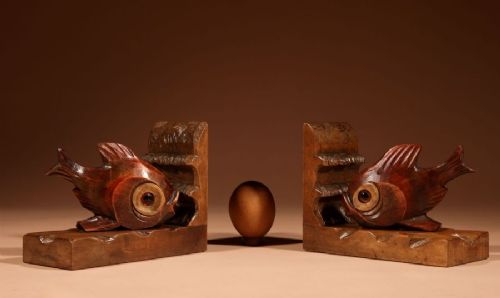
Surfaces frequently receive application of pigment to define natural markings, while selected items incorporate inset glass elements to create realistic eyes. Tool marks often remain visible across the timber, showing the direct intervention of the maker's hand rather than mechanical sanding.
Carved Wood Fish Sculpture Retail Price Guide 2026
Typical asking prices for carved wood fish sculpture among the pieces listed under this phrase on Sellingantiques today, from the lower quarter to the upper quarter. They describe what is for sale here now, not the wider market.
Even a fierce carved bear cannot resist carrying a fish home for dinner.
What Varies in Quality
Quality rests upon the naturalism of the carving and the confidence with which the timber grain is managed to follow the anatomical lines of the subject. Pieces demonstrating superior craftsmanship capture the tension and movement of the creature rather than relying on stiff symmetry.
The preservation of the original surface finish, whether bare timber, applied pigment, or aged patina, significantly influences the character of each piece. Finer examples retain their crisp edge definition around fins and gills without smoothing from excessive cleaning or wear.
Shuho Nakahara·Tomochika
The Carved Wood Fish Sculpture Glossary
- Okimono
- A Japanese decorative object designed for display on a shelf or in a tokonoma alcove. These sculptures balance natural observation with traditional carving conventions.
- Netsuke
- A small carved toggle used to secure a pouch or small container to a traditional Japanese kimono sash. Many examples depict fish, figures, and animals in miniature scale.
- Kibori Kuma
- A style of Japanese wood carving originating from Hokkaido, typically depicting bears engaged with fish or in natural postures. This folk art tradition developed strongly during the early twentieth century.
- Black Forest
- A style of wood carving associated with the mountain regions of Central Europe, known for realistic animal studies and functional objects like bookends. These pieces often employ linden wood and rich dark finishes.
- Trade Sign
- A large wooden carving or board commissioned to advertise a commercial establishment, such as a fish shop. Such items were built to attract attention from the street with bold forms.
Carved Wood Fish Sculpture: Frequently Asked Questions
How do I clean a wooden fish carving?
Remove surface dust gently using a soft, dry brush without applying water or chemical cleaners that might lift the historical finish. Keeping the piece away from direct sunlight and sudden temperature changes protects the timber from splitting.
Allow the natural patina to remain intact rather than attempting to restore or polish the wood surface.
Where were these wooden fish sculptures made?
The pieces originate from diverse international traditions, including European workshops, Japanese folk art centres, and Pacific Island communities. Each region employed local timbers and distinct carving techniques appropriate to their cultural context.
This geographical spread results in varied interpretations of marine subjects within the same overarching category of wooden sculpture.
What woods were commonly used for these carvings?
Carvers utilised workable timbers such as linden wood, pine, cedar, and assorted hardwoods that accepted fine tool work without splintering. Linden wood provided a particularly smooth ground for detailed animal studies in European and Japanese workshops alike.
Heavier items like trade signs often relied on pine or durable regional timbers capable of withstanding structural demands.
How can I tell the period of a carved fish?
Dating relies on examining tool marks, timber shrinkage, surface wear, and stylistic markers associated with specific periods like the nineteenth century or Edwardian era. The presence of period-specific signatures, labels, or traditional construction methods provides further chronological context.
Comparing the object's finish and material characteristics to documented examples helps establish its likely origin and age.