


Antique Asian Porcelain Figurine
An antique asian porcelain figurine brings cabinet or table presence through centuries of Eastern kiln tradition and finely painted glaze.
Antique Asian Porcelain Figurine
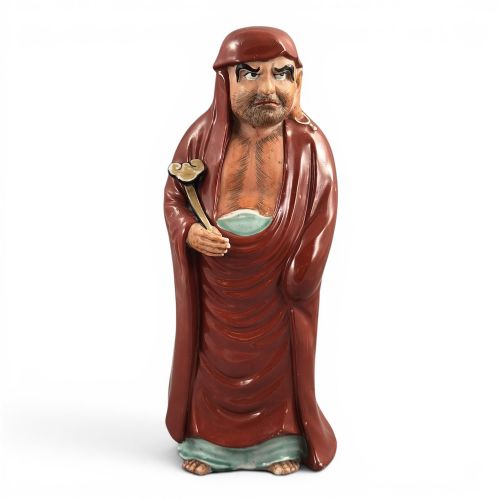
When you search for an antique asian porcelain figurine, you encounter deities, scholars, animals, and mythological subjects produced in Chinese and Japanese kilns. The pieces on this page span the Edo, Meiji, Taisho, and Qing periods, taking the form of figures, okimono, and vases.
You are most likely to meet Japanese Kutani and Satsuma works from the nineteenth and early twentieth centuries, alongside earlier Chinese Qing Dynasty pieces. These range from small cabinet figures to large ornamental sculptures.
Each piece represents traditional craftsmanship rooted in specific periods, from eighteenth-century Qianlong examples to Edwardian imports. They serve as historical decorative objects reflecting cultural and religious iconography.
How they were made
Potters shaped these works from porcelain, earthenware, and ceramic bodies before firing them in kilns. Artisans then applied intricate glazes and enamels to define the surface details.
Many figures incorporate gold leaf, gilding, and finely brushed polychrome enamel decoration over the glaze. These decorative techniques required precise temperature control during firing to fix the colours and metallic accents.
The listings show figures from the 18th Century, Edo Period, Meiji Period, and Qing Dynasty, utilising porcelain, earthenware, and enamel.
What varies in quality
The sophistication of the glaze and the integration of gilding distinguish finer examples from standard production wares. Maker attribution, such as work associated with Makuzu Kozan II, also elevates the standing of a piece.
Makuzu Kozan II
The Antique Asian Porcelain Figurine Glossary
- Okimono
- A Japanese decorative figurine or carving designed for display in an alcove or on a cabinet. These sculptures often depict deities, historical figures, or animals.
- Kutani
- A style of Japanese coloured porcelain characterised by rich enamels and detailed overglaze painting. It originated in Ishikawa Prefecture.
- Satsuma
- A type of Japanese earthenware featuring a crackled ivory glaze decorated with polychrome enamels and gilding. Pieces often portray traditional figures and landscapes.
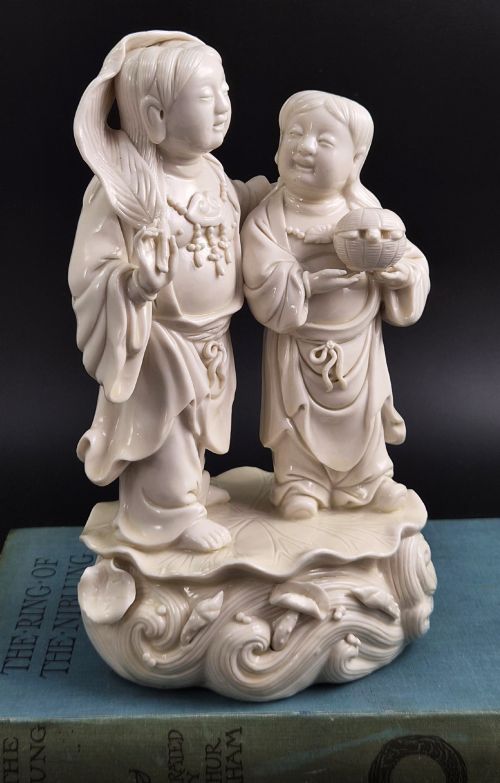
- Blanc-de-Chine
- A white porcelain produced in Dehua, China, featuring a creamy glaze that merges with the white body. It is traditionally used for figures of deities such as Kannon.
- Qing Dynasty
- The final imperial dynasty of China, lasting from the mid-seventeenth to the early twentieth century. It is renowned for diverse ceramic production.
Antique Asian Porcelain Figurine: Frequently Asked Questions
How do I identify Satsuma ware?
Satsuma ware is typically recognised by its distinctive warm, ivory-coloured earthenware body covered in a fine network of crackled glaze. The surfaces are then richly decorated with enamels and gold.
Many of these pieces portray figures like Kannon, Hotei, or local scholars in elaborate robes.
What does Blanc-de-Chine mean?
Blanc-de-Chine translates as white from China and refers to the white porcelain produced at the Dehua kilns. The glaze coats the body uniformly without adding colour, highlighting the sculptural form.
These figures frequently depict religious figures such as Hehe Erxian or Guanyin.
Where should I display a figurine?
These figures suit stable, enclosed spaces such as cabinets, sideboards, or mantels where their painted details and glazes remain protected. Placing them away from direct sunlight helps preserve the delicate overglaze enamels.
Ensure the display surface supports the weight, particularly for larger ceramic and porcelain sculptures.
How do I date a Chinese figure?
Dating relies on stylistic markers, glaze characteristics, and kiln marks associated with specific periods like the Qing Dynasty. Eighteenth-century pieces often exhibit distinct potting techniques and enamel palettes compared to later nineteenth-century works.
Comparing the base treatment and modelling style provides further clues to the era of production.