


Gilded Porcelain Japanese Geisha
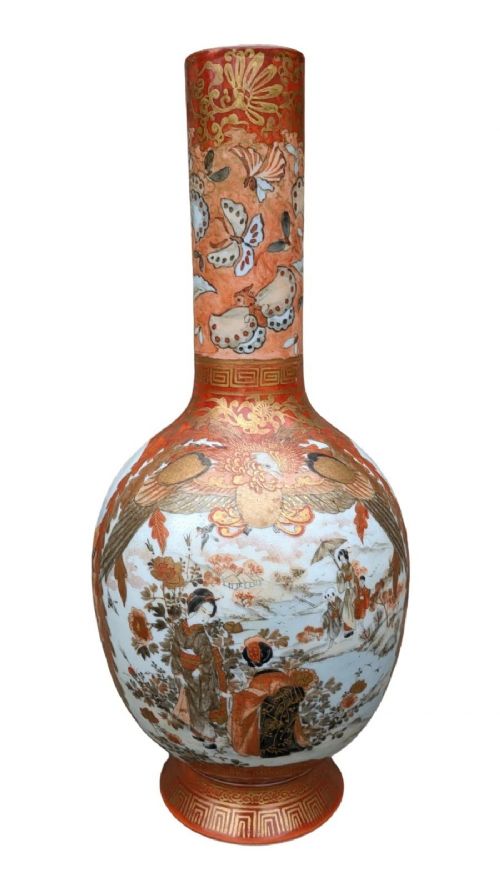
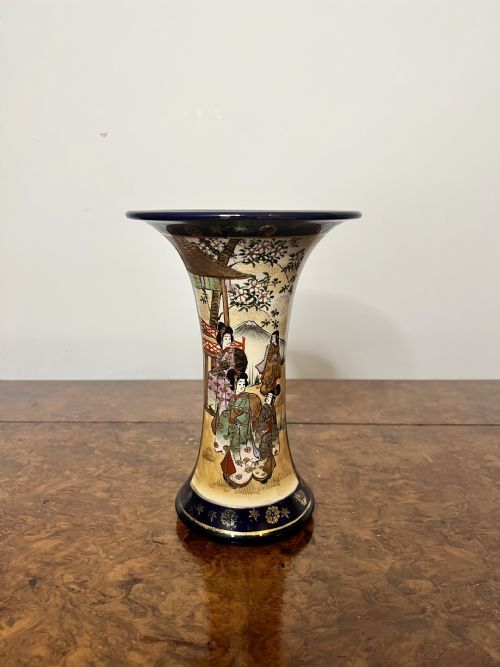
These gilded porcelain japanese geisha items bring striking Meiji period forms and hand-painted detail into your interior.
Gilded Porcelain Japanese Geisha
When you search for gilded porcelain japanese geisha, you are looking at decorative ceramics and vessels originating from Japan during the late nineteenth and early twentieth centuries. These objects capture traditional artistry through hand-painted scenes and relief decoration on porcelain and earthenware bodies.
The pieces you are most likely to meet on this page include vases, tea sets, and decorative figurines. They span periods such as the Meiji and Taisho eras, alongside Victorian-era imports, reflecting the rich trade and aesthetic exchange of those decades.
How they were made
Makers shaped porcelain and earthenware into bottle forms, sugar bowls, and figurative statues before applying detailed enamel paints. Artisans utilised gold leaf and gilt highlights to accentuate robes, borders, and backgrounds.
Techniques such as moriage work built up raised clay details beneath the enamel and gold, adding tactile depth to court figures and traditional garments.
Materials recorded across the inventory include porcelain, earthenware, enamel, and gold leaf.
What varies in quality
The fineness of the hand-painted brushwork sets finer pieces apart from standard production items, particularly in the rendering of facial expressions and garment patterns. Precision in the application of gold leaf and raised moriage also marks the distinction between ordinary wares and superior examples.
Studio marks and signatures from known Kyoto workshops indicate higher workshop standards and individual artistry. The clarity of the cobalt ground and the preservation of the enamel colours further define the upper tier of these ceramics.
Kyoto Studio·Shozan·Taniguchi
The Gilded Porcelain Japanese Geisha Glossary
- Moriage
- A Japanese pottery technique where slip is piped onto the surface to create raised decorative patterns. This method often frames painted figures and floral motifs.
- Satsuma
- A type of earthenware with a crackled ivory glaze, traditionally decorated with enamels and gilt. It originated in Satsuma Province and became popular for export.
- Imari
- A style of Japanese export porcelain decorated in underglaze blue and overglaze red, gold, and green. These wares were produced primarily in Arita.
- Meiji Period
- The era in Japanese history spanning from 1868 to 1912, marked by the opening of trade with the West. Objects from this time often show detailed craftsmanship aimed at export markets.
Gilded Porcelain Japanese Geisha: Frequently Asked Questions
How do I display a satsuma vase?
Place your vase on a stable surface away from direct sunlight to protect the enamel and gilt details over time. Pairing it with neutral backgrounds allows the intricate patterns and court figures to stand out.
Ensure it sits where it will not be knocked, as these ceramic bodies can chip or crack upon impact.
Are these tea services safe to use?
These historical tea services and bowls are intended for display rather than daily dining use. The antique glazes, enamel work, and gold leaf can wear down or react poorly with modern detergents and hot liquids.
Enjoy them as decorative centrepieces or cabinet items to preserve their painted surfaces.
How do I tell Meiji period pieces apart?
Look for distinct export styles, signature blocks, and the specific use of moriage and cobalt grounds. Meiji pieces often combine traditional Japanese iconography with forms tailored for Western tastes.
Comparing the fineness of the brushwork and the weight of the porcelain helps distinguish them from later reproductions.
What is the difference between porcelain and earthenware here?
Porcelain provides a harder, smoother white body that rings slightly when struck, whereas Satsuma wares use a porous earthenware body with a characteristic crackled glaze.
Both materials served as canvases for elaborate hand-painted decoration and gilding.