

Meiji Period Figure
When you explore a meiji period figure, you encounter Japanese craftsmanship spanning bronze, ceramic, and earthenware forms.
Meiji Period Figure
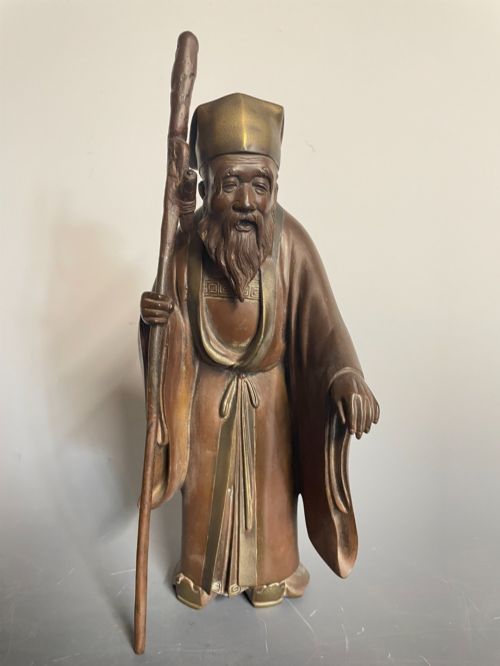
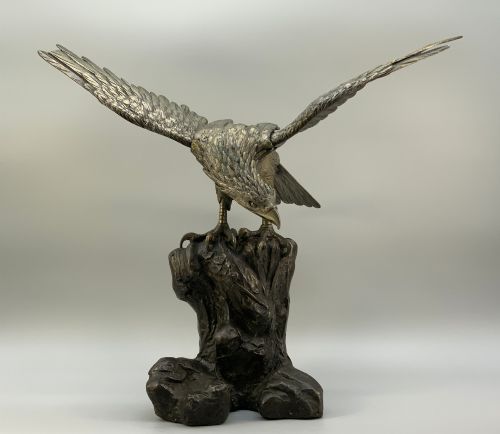
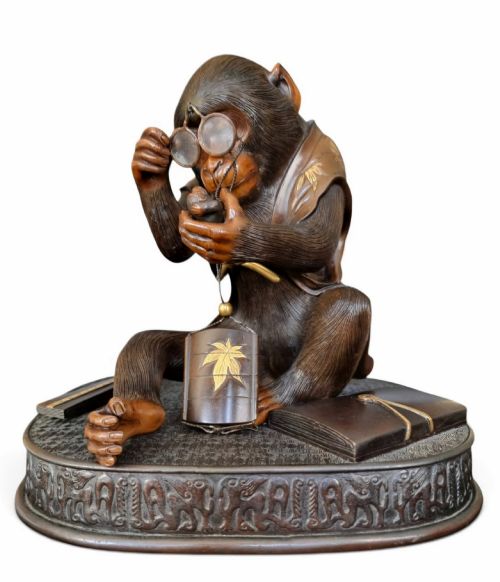
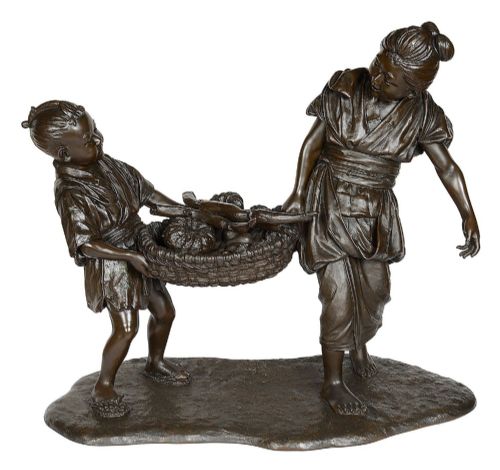
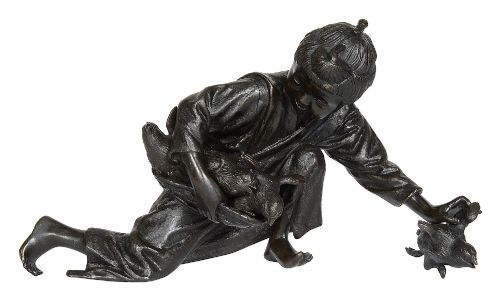
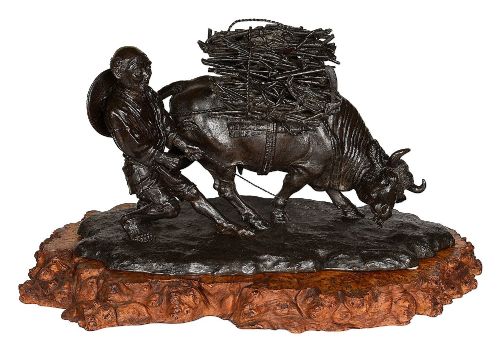
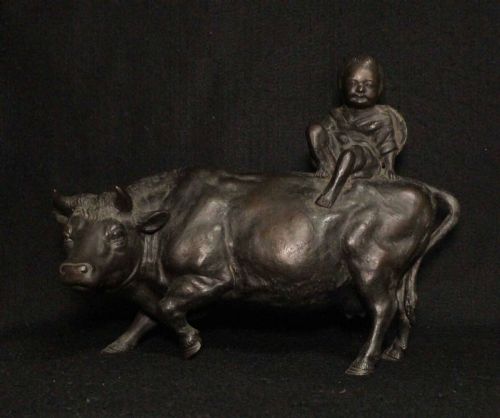
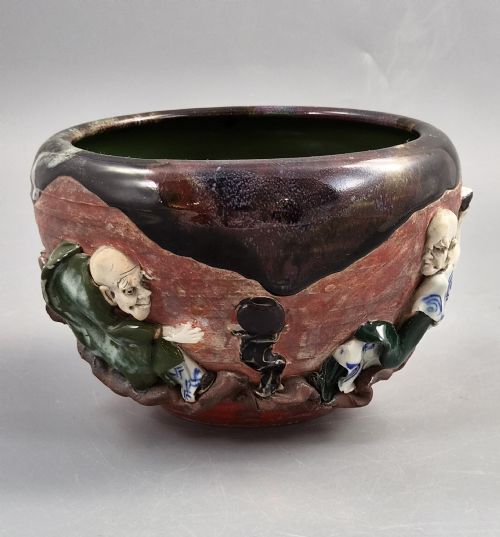
A meiji period figure encompasses diverse sculptural works produced in Japan during the late nineteenth and early twentieth centuries. These objects range from freestanding bronze okimono and carved boxwood sculptures to ceramic deities and figures applied to Sumida Gawa pottery vessels.
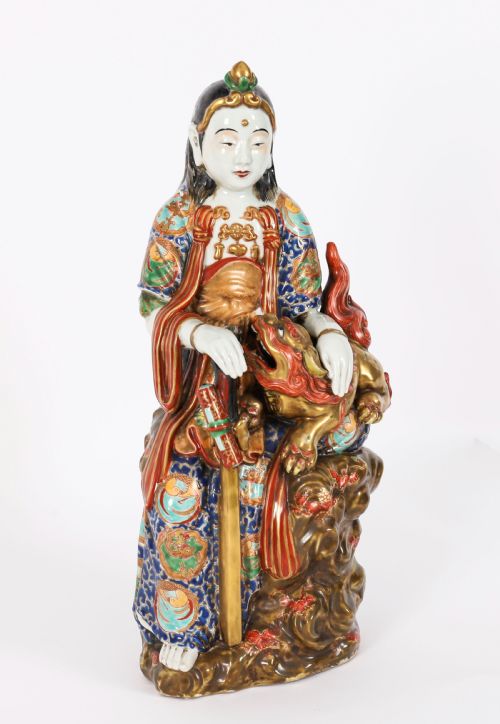
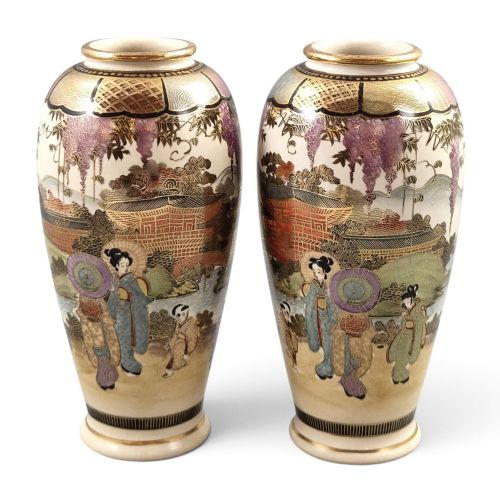
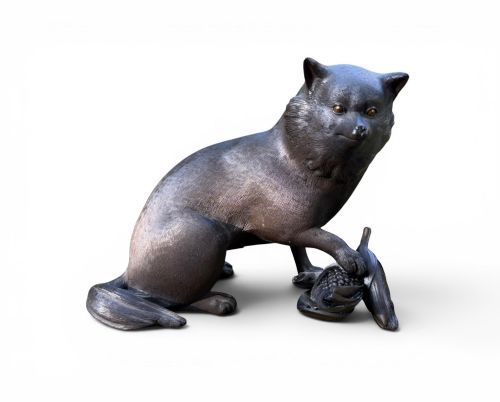
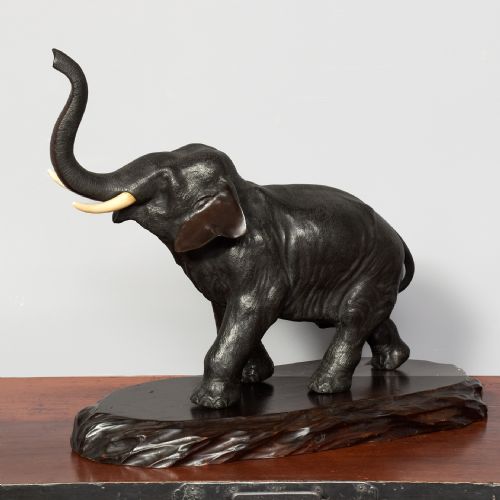
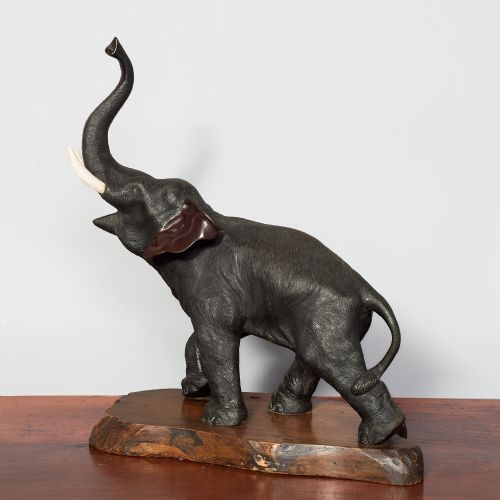
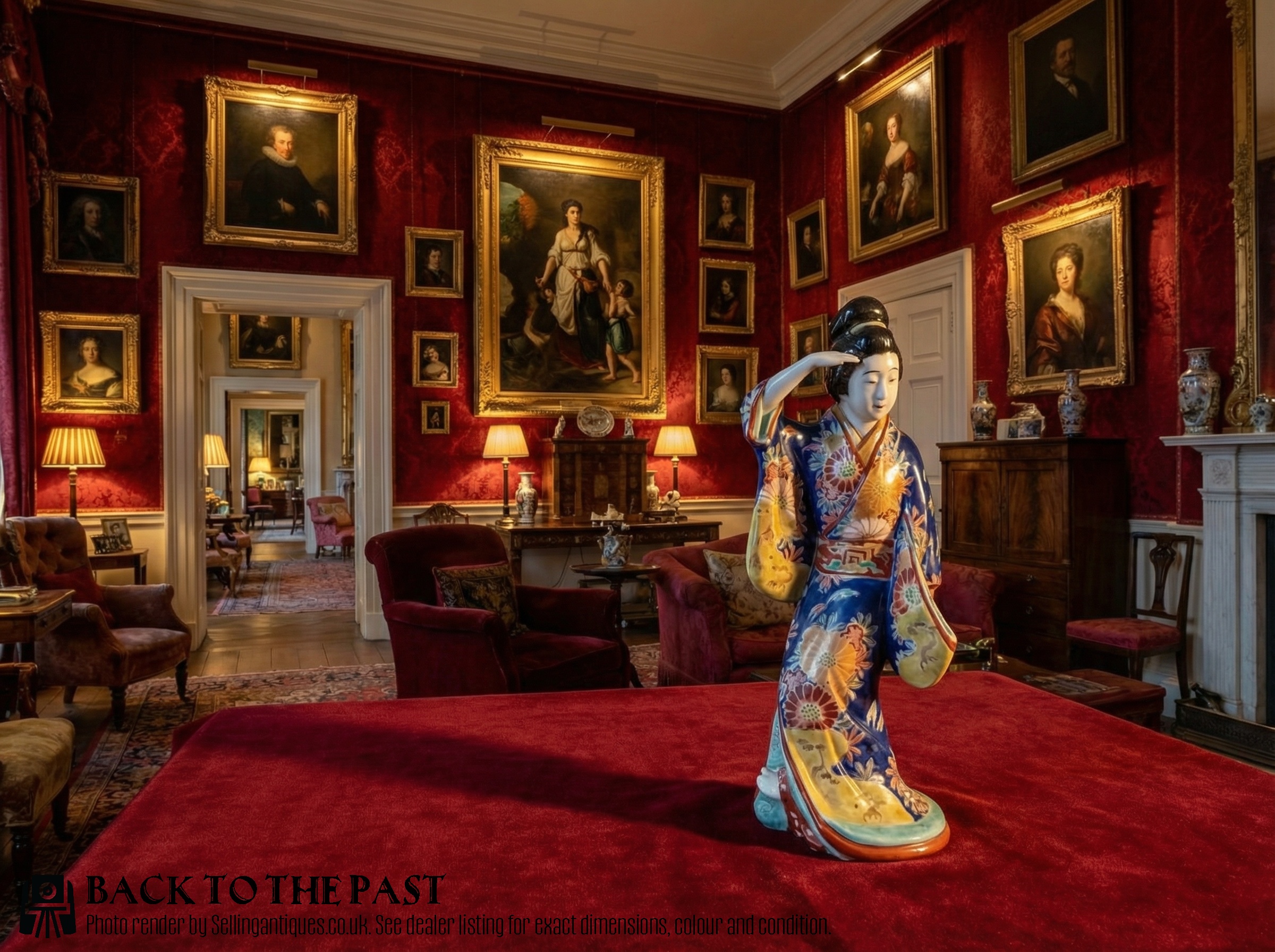
The most frequent examples on this page are bronze animals, mythical subjects, and human figures, alongside earthenware Satsuma and Kutani ceramics depicting scholars, sages, and deities. Works frequently bridge the Meiji and Taisho periods, reflecting transitional tastes in Japanese artistry.
Materials and construction
Metal sculptures utilise patinated or parcel-gilt bronze, occasionally incorporating mixed-metal elements, ivory, or diamond eyes. Artisans cast these works to depict detailed subjects such as birds, elephants, and human figures.
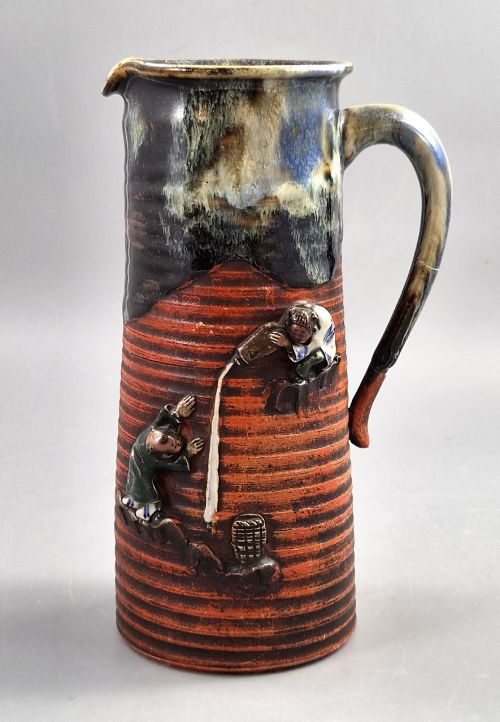
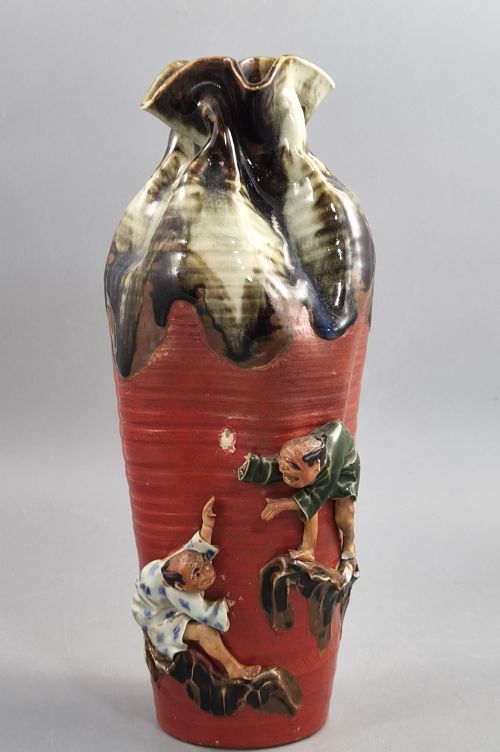
Ceramic pieces combine earthenware and porcelain bodies with hand-applied glazes, enamel, and gold leaf. Sumida Gawa pottery employs distinctive flambe glazes and pinched rims, featuring hand-modelled figures applied directly to the vessel walls.
Listings feature works from the nineteenth century through the Edwardian era, spanning bronze, porcelain, earthenware, and carved wood forms.
Distinctions in craftsmanship
Superior examples demonstrate meticulous modelling in the rendering of musculature, drapery, and natural textures, whether in cast bronze or hand-carved wood. Master metalworkers achieve sophisticated patination and precise mixed-metal detailing that elevate the sculptural presence.
Ceramic variations depend on the refinement of the porcelain or earthenware body, the control of the kiln during flambe glazing, and the expressiveness of painted or relief-moulded figures. Signed works by recognised makers or workshops exhibit superior execution in both form and decorative application.
Inoue Ryosai·Ishiguro Koko·Miyao Eisuke·Kunio Ito·Tsunemitsu
The Meiji Period Figure Glossary
- Okimono
- A Japanese ornamental object or sculpture intended for display on a shelf or in a tokonoma alcove. These pieces represent animals, deities, and genre scenes.
- Sumida Gawa
- A style of Japanese pottery originating near Tokyo, noted for heavy, dripping flambe glazes and high-relief figures applied to the exterior.
- Satsuma
- A type of Japanese earthenware featuring a crackle-glaze ivory body decorated with polychrome enamels and gold leaf.
- Kutani
- Japanese porcelain or earthenware distinguished by bold enamel painting, often depicting traditional figures, sages, and immortals.
- Patination
- The chemical treatment or natural weathering applied to metal surfaces to alter colour and enhance sculptural depth.
Meiji Period Figure: Frequently Asked Questions
What is an okimono?
An okimono is a standalone decorative sculpture designed for interior display during the Meiji era and subsequent periods.
These pieces were produced in materials such as bronze, ivory, and wood, depicting subjects from daily life to folklore.
How do I identify Sumida Gawa pottery?
Sumida Gawa pieces are recognised by their distinct dripping flambe glazes and heavily textured, undulating pottery surfaces.
They frequently feature human figures modelled in high relief climbing along the rims or sides of vases and pitchers.
What are Satsuma ceramics?
Satsuma wares consist of an earthenware body covered in a fine crackle-glaze, typically ornamented with detailed enamel and gold leaf.
Subjects often include historical figures, deities, and courtly scenes executed in rich, decorative palettes.
How can I date these pieces?
Dating relies on stylistic markers, signatures, material composition, and the historical crossover between the Meiji and Taisho periods.
Many works incorporate workshop signatures or distinct casting and glazing methods characteristic of the late nineteenth and early twentieth centuries.