



Hand Painted Japanese Figure
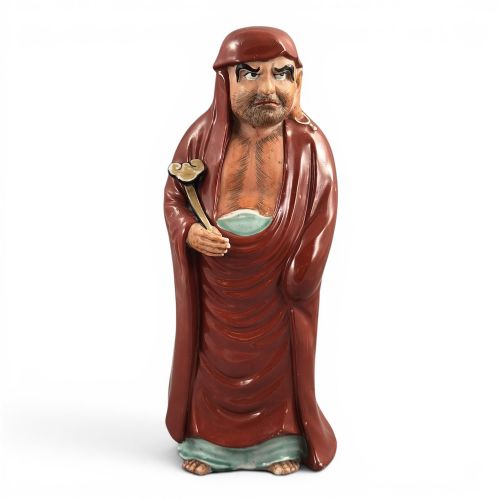
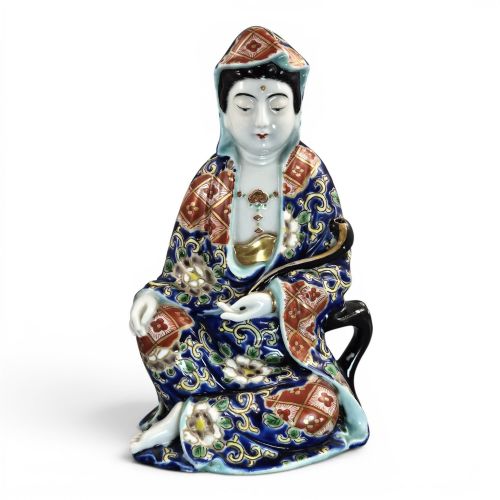
A hand painted japanese figure brings centuries of traditional artistry and detailed ceramic work directly into a room.
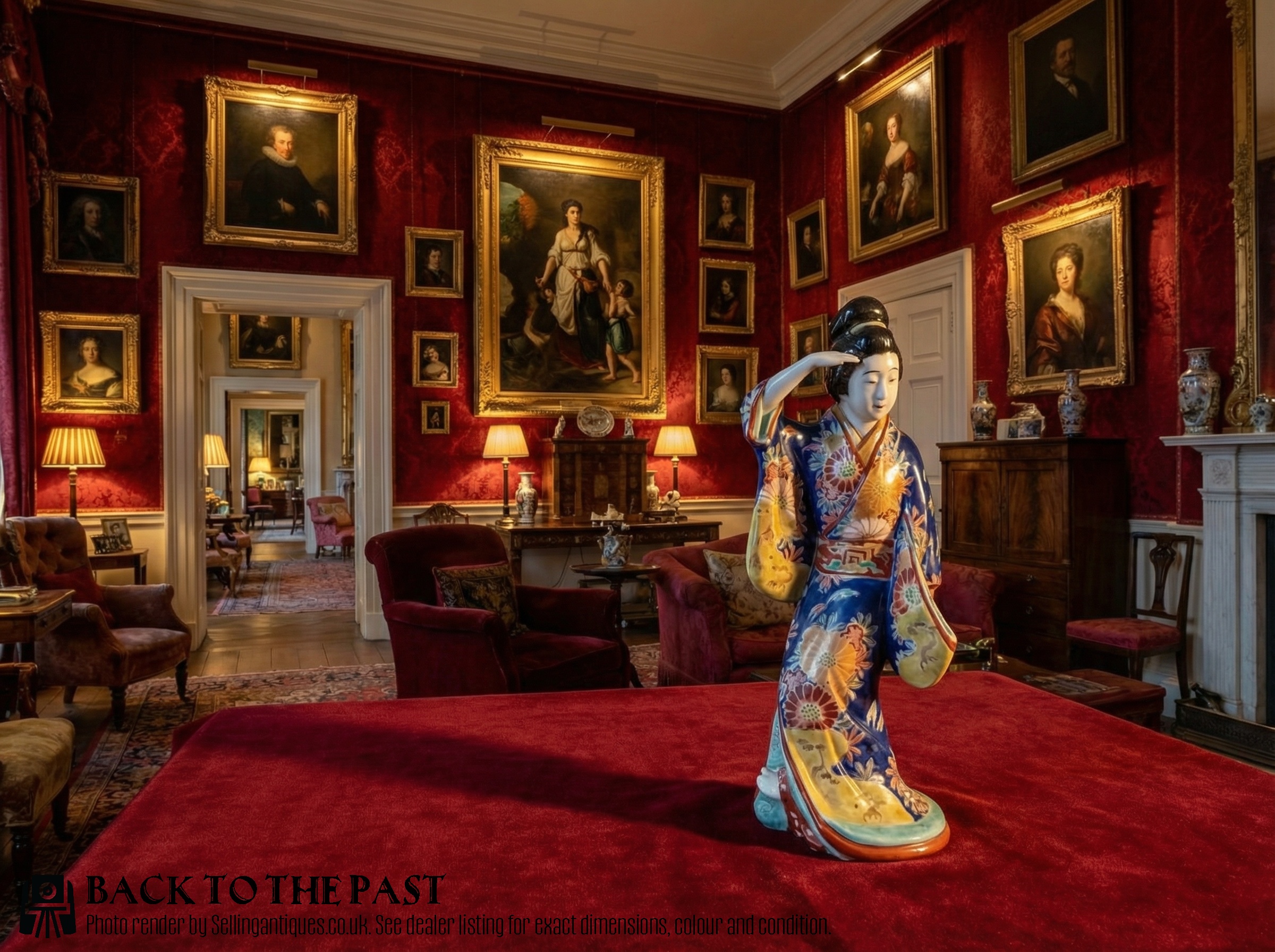
Hand Painted Japanese Figure
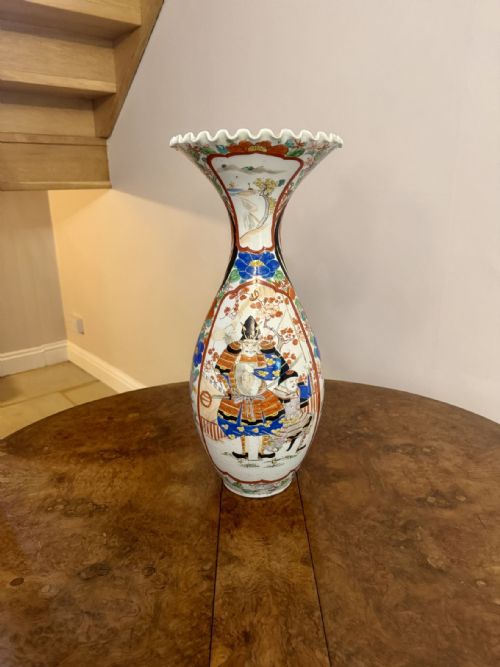
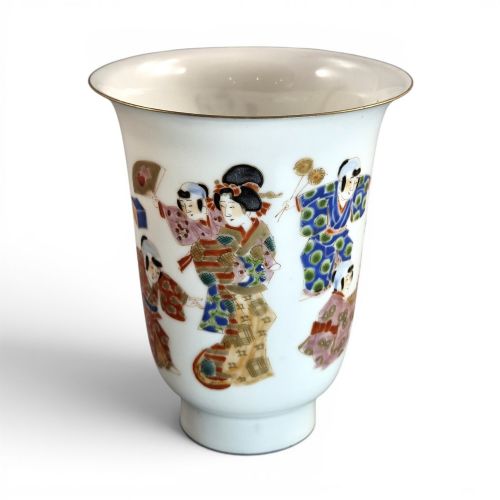
A hand painted japanese figure typically depicts traditional subjects such as deities, figures of longevity, or revered historical personalities from the Meiji and Taisho periods. These works often appear alongside related ceramics like vases and plates decorated with similar motifs.
Most examples seen here emerge from nineteenth-century and early twentieth-century workshops, spanning Victorian and Edwardian periods. Collectors encounter various forms including ceramic figurines, okimono sculptures, and sculptural depictions of mythological or spiritual figures.
Assessing quality in hand painted japanese figure pieces
The richness and preservation of the applied enamel and gold leaf contribute significantly to the visual impact of the work. Integrated artist marks or workshop signatures provide further context regarding the origin of the piece.
The selection includes various forms such as ceramic figures, okimono sculptures, garnitures, and large decorative chargers.
Shozan Satsuma·Hichozan Shinpo·Kinkozan Kyoto·Meizan mark
The Hand Painted Japanese Figure Glossary
- Okimono
- A Japanese decorative freestanding sculpture intended for display on a shelf or in a tokonoma alcove. These carvings and ceramic figures often represent deities, animals, or historical personages.
- Kutani
- A style of Japanese porcelain and pottery traditionally characterised by vibrant multi-coloured overglaze enamels. Green, blue, yellow, purple, and red dominate the intricate pictorial designs.
- Satsuma
- A type of Japanese earthenware featuring an ivory-coloured, crackle-glazed surface decorated with enamel and gilt. This ware became particularly popular for export during the Meiji period.
- Imari
- A traditional style of Japanese porcelain featuring a distinct palette of underglaze blue, iron red, and added gold gilt. The decoration typically covers the ceramic surface in dense, geometric and floral patterns.
Hand Painted Japanese Figure: Frequently Asked Questions
What periods do these pieces date from?
The inventory spans the late nineteenth century through to the early twentieth century, encompassing the Meiji and Taisho periods alongside Victorian and Edwardian eras.
Most items reflect traditional manufacturing techniques associated with export wares from these specific decades.
How do Satsuma and Kutani wares differ?
Satsuma pieces generally feature an earthenware body with a fine crackle glaze decorated in enamel and gold leaf. Kutani items predominantly utilise porcelain or stoneware with bold overglaze enamel painting.
Both styles employ hand-painted figures, but their underlying ceramic composition and colour palettes remain distinct.
Where were these figures displayed?
These decorative objects typically occupied prominent positions within domestic interiors, drawing attention to their detailed craftsmanship. They served as ornamental accents on mantelpieces, tables, and dedicated display alcoves.
Collectors continue to place them on flat surfaces where adequate lighting highlights the gold gilt and enamel details.
Are these works signed by artists?
Certain pieces bear painted or impressed workshop signatures and artist marks on the base. These markings assist in identifying specific regional production centres and historical periods.
Unsigned examples remain common, relying on stylistic conventions and material properties for attribution.