


Antique Japanese Geisha
These antique Japanese geisha pieces capture traditional female figures in earthenware, porcelain, bronze, and wood from the Meiji and Taisho periods.

Antique Japanese Geisha
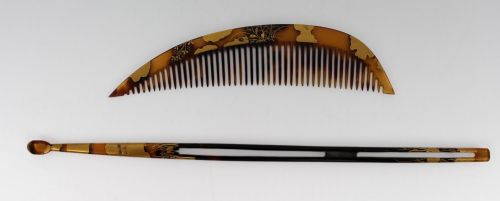
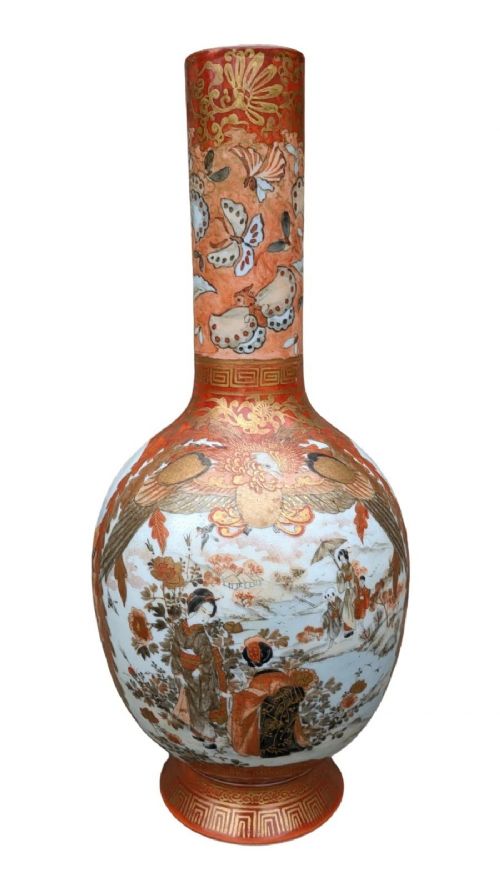
When you search for antique Japanese geisha, you encounter depictions of traditional female entertainers, court figures, and beauties appearing across diverse mediums. The selection includes ceramic vases, okimono sculptures, framed woodblock prints, tea services, and carved wooden statues.
The objects span the nineteenth century through the early twentieth century, encompassing Meiji and Taisho periods alongside Victorian-era imports. Figures appear painted on porcelain bowls, modelled in earthenware, or rendered in bronze and carved wood.
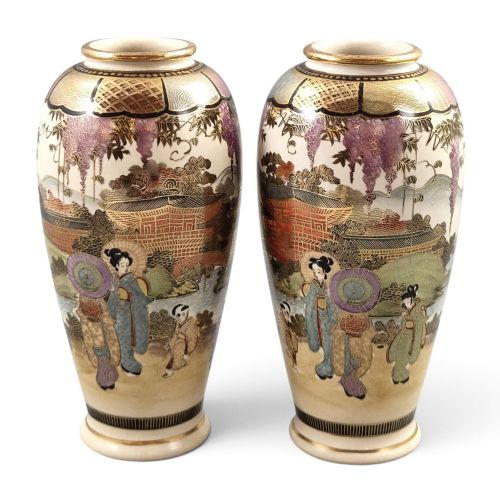
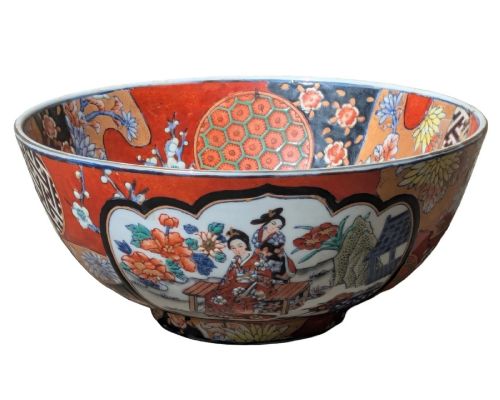
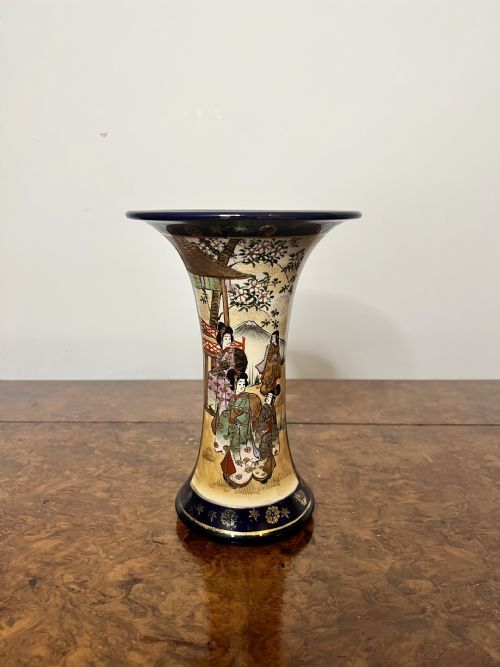
Vases and decorative bowls frequently display court scenes and women in kimonos using rich cobalt and gold decoration. Statues and figurines range from cabinet-sized okimono to larger carved wooden sculptures and bronze figures.
Materials and construction
Ceramic pieces utilise earthenware and porcelain bases, often finished with detailed enamel painting, gold leaf, and raised moriage decoration. Workshops in Kyoto and other centres applied cobalt blue grounds and intricate gilding to satsuma and imari wares.
Sculptural works rely on cast bronze, carved wood, and glass painting techniques. Woodblock prints and watercolours capture subjects on paper and silk using traditional pigments and block-printing methods.
Several statues serve practical household roles, including carved wooden figures functioning as dumb waiters or card butlers.
Evaluating quality and execution
The refinement of painted facial expressions and the precision of fine gold detailing separate superior ceramic vessels from simpler production. Master studios such as Kinkozan and makers like Shozan and Nanzan achieved exceptional clarity in their enamels and signed works.
In sculptures and figures, quality rests in the depth of carving, the integrity of the bronze casting, and the preservation of original gilding and surface finishes. Complete sets and signed pieces command stronger attention from collectors than unsigned or heavily worn examples.
Shozan·Nanzan·Kinkozan·Takabatake Kasho·Kunisada·Taniguchi·Miyao
The Antique Japanese Geisha Glossary
- Satsuma
- A type of Japanese earthenware with a pale, crackled ivory glaze typically decorated with polychrome enamels and gold. It was widely produced for export during the Meiji period.
- Okimono
- A small Japanese freestanding statue or ornament intended for display in a household alcove or on a shelf. These carved or cast pieces often depict figures and subjects from daily life.
- Moriage
- A decorative ceramic technique using slip to build up raised patterns and dots beneath the enamel and gold painting. This method creates a textured surface on satsuma vases and bowls.
- Imari
- Japanese porcelain decorated in underglaze blue, iron red, and gold, named after the port from which it was shipped to Europe. This ware forms a distinct category within the available ceramics.
- Ukiyo-e
- A genre of Japanese woodblock prints and paintings depicting scenes of daily life, actors, and beautiful women. These works utilise multiple carved blocks for colour registration.
Antique Japanese Geisha: Frequently Asked Questions
How do I identify the period of an item?
Dating relies on stylistic markers, studio signatures, and manufacturing techniques associated with the Meiji, Taisho, and Victorian eras. Nineteenth-century pieces often display hand-painted detail and specific potter marks on the base.
Later items from the twentieth century reflect evolving export tastes and different ceramic body compositions.
Were these items made for export?
A substantial portion of these ceramics, bronzes, and decorative objects was produced specifically for Western export markets during the late nineteenth and early twentieth centuries. Makers tailored their output to European and American demand for elaborate Japanese artistry.
Print works and paintings also circulated internationally during the ukiyo-e and Taisho periods.
How should I care for antique ceramics and bronzes?
Ceramics require gentle dusting with a soft, dry cloth and protection from direct sunlight to preserve delicate enamel and gold leaf. Avoid using water or cleaning agents on crackled glazes.
Bronzes and carved wood pieces benefit from stable indoor humidity and occasional light dusting with a soft brush.