
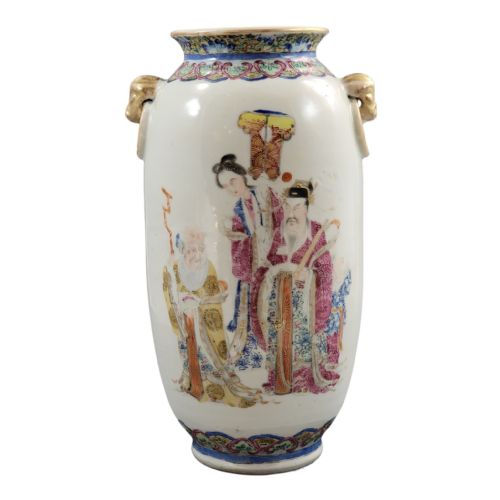


Qing Dynasty Porcelain Figure
A qing dynasty porcelain figure brings centuries of imperial craftsmanship into a room through moulded clay and bright enamel.
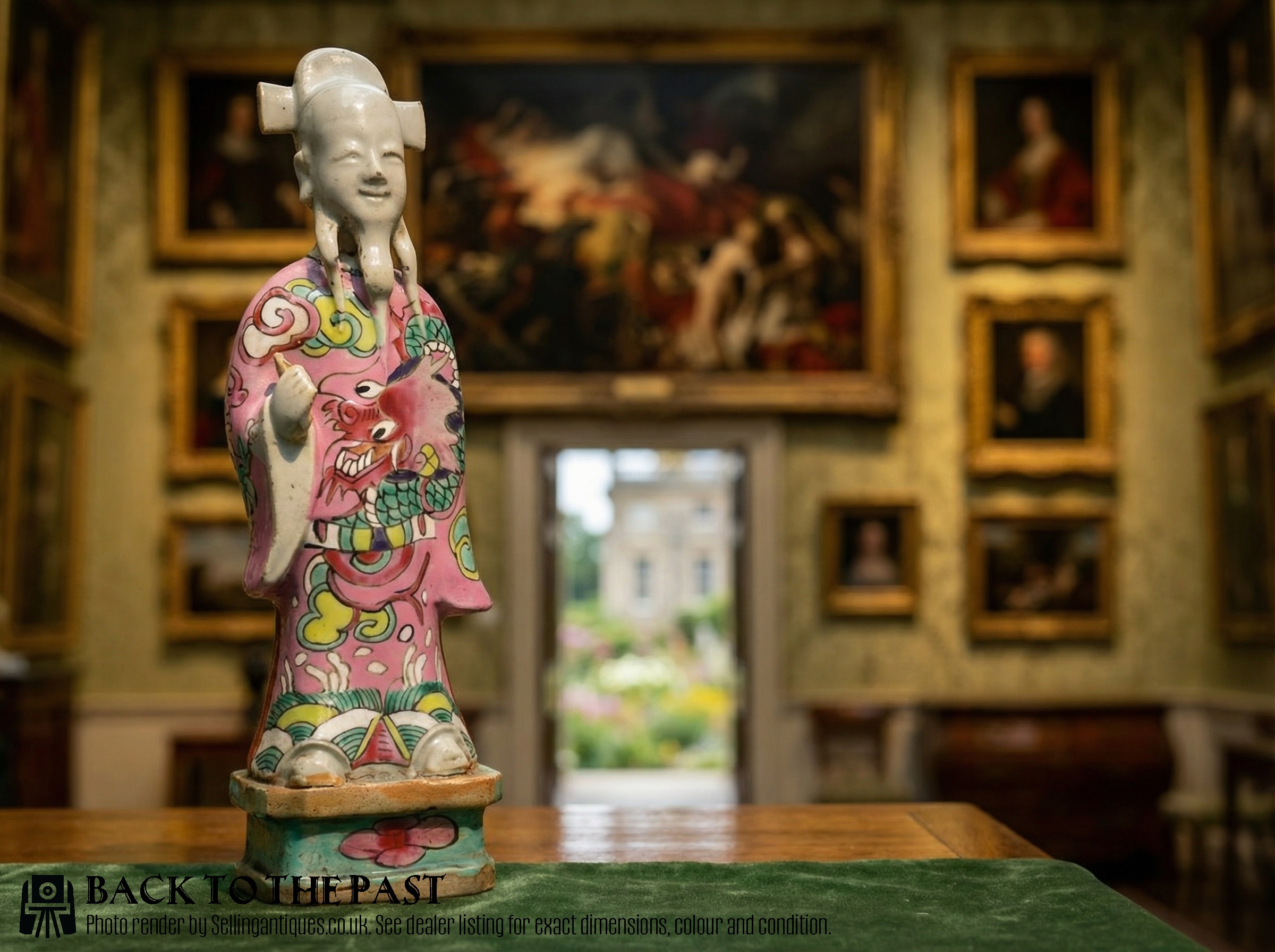
Qing Dynasty Porcelain Figure
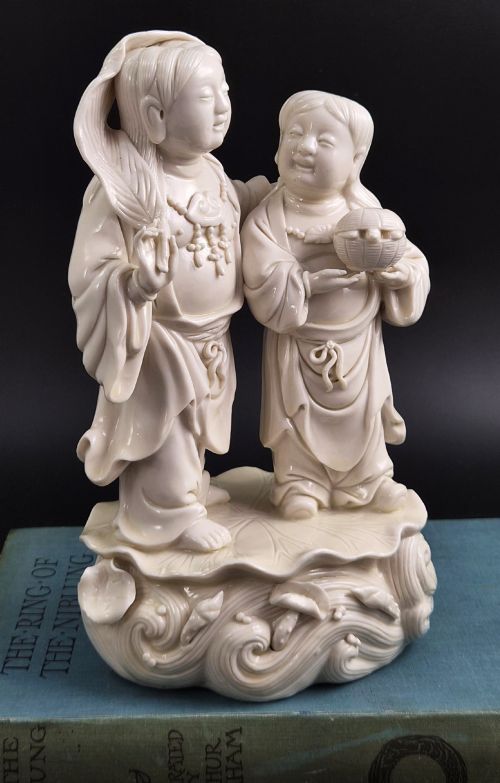
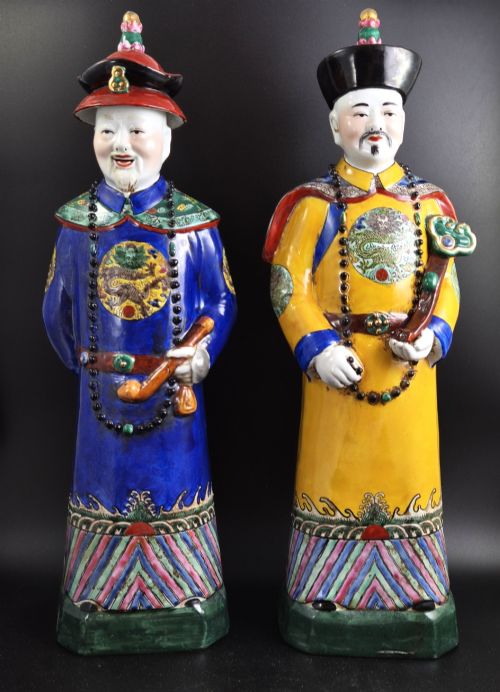
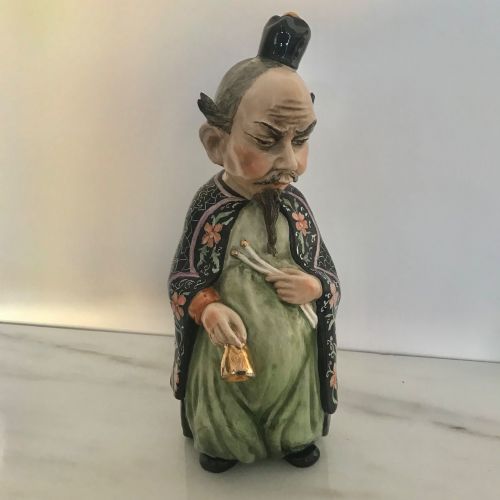
A qing dynasty porcelain figure represents deities, immortals, boys, animals, and emperors moulded in clay and fired for domestic or ritual display. The pieces on this page span the seventeenth, eighteenth, nineteenth, and twentieth centuries, originating from workshops and kilns across China.
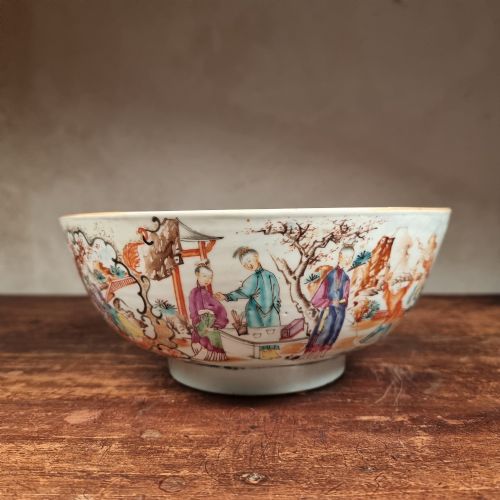
Buyers encounter decorative figurines, snuff bottles, and animal subjects like Foo dogs, cockerels, and goats. Alongside pure figures, the selection includes vases, bowls, and brush pots that incorporate sculptural figures into their design.
The aesthetic bridges court commissions and export wares, moving from the strict blue and white palettes of the Kangxi period to the polychrome vibrancy of later famille rose and turquoise glazes.
How They Were Made
Potters shaped the ceramic body from fine white clay before applying underglaze blue, copper red, or overglaze enamels by hand. Gold leaf and silk details sometimes supplement the fired pigments.
Kiln workers utilised high temperatures to fuse glazes to the porcelain body, achieving smooth green, turquoise, and white surfaces. Certain animal figures employ heavier Shiwan pottery or earthenware bodies rather than translucent porcelain.
Qing Dynasty Porcelain Figure Retail Price Guide 2026
Typical asking prices for qing dynasty porcelain figure among the pieces listed under this phrase on Sellingantiques today, from the lower quarter to the upper quarter. They describe what is for sale here now, not the wider market.
Listings feature periods spanning from seventeen hundred to nineteen forty, utilising porcelain, enamel, glaze, ceramic, gold leaf, brass, and silk.
What Varies in Quality
The refinement of the facial modelling and the precision of the enamel work distinguish superior examples from simpler production. Master painters rendered robes, expressions, and flora with intricate brushwork that holds depth and clarity.
Stability of the glaze and the crispness of the porcelain moulding separate pieces made for imperial patronage from commercial export goods. Consistency in firing temperature prevents discoloration and surface pitting.
The Qing Dynasty Porcelain Figure Glossary
- Famille Rose
- A palette of opaque overglaze enamels dominated by pink or rose colours, introduced during the Qing dynasty. This technique allowed for nuanced shading of robes and petals.
- Kangxi Period
- The reign period spanning from sixteen sixty-two to seventeen twenty-two, known for vibrant blue and white porcelain and early enamel experiments. Pieces from this era hold significant collector interest.
- Foo Dog
- A mythical guardian lion depicted in pairs outside temples and palaces, rendered in porcelain, pottery, or turquoise glaze. They symbolise protection and prosperity.
- Qianlong Period
- The imperial reign from seventeen thirty-six to seventeen ninety-five, marked by technical perfection and complex polychrome designs. Objects from this time display exceptional detail.
- Shiwan Pottery
- A tradition of heavy stoneware and pottery figures produced in Guangdong province, often featuring unglazed faces and striking coloured glazes. These pieces emphasise sculptural form over thin porcelain bodies.
Qing Dynasty Porcelain Figure: Frequently Asked Questions
How do I identify a Qing Dynasty figure?
Look at the palette, the clay body, and the subject matter. Figures often depict immortals, Luohans, or auspicious animals rendered in famille rose enamels, turquoise glazes, or blue and white porcelain.
Examine the base for reign marks or kiln characteristics, though unmarked export pieces also date from this era. The weight and texture of the porcelain provide further clues to the period of manufacture.
What is the difference between porcelain and pottery figures?
Porcelain uses fine, white petuntse and kaolin clay fired at high temperatures to create a hard, resonant, and sometimes translucent material. Pottery and earthenware bodies, such as those from Shiwan, are heavier, opaque, and porous.
Glazes react differently on each substrate, giving porcelain smooth brilliance and pottery deeper, pooling colour effects.
Where were these figures displayed originally?
Figures of immortals and animals served devotional or auspicious functions in domestic shrines and reception rooms. They acted as symbols of longevity, prosperity, and protection for the household.
Snuff bottles were personal items carried by officials and scholars, while brush pots and vases inhabited scholar's desks.
How should I clean my porcelain figure?
Dust the surface gently with a soft, dry brush to remove particles without disturbing delicate overglaze enamels or gilt. Avoid harsh cleaning agents, abrasives, or soaking.
Water can damage antique ceramic bodies and flake vulnerable pigments, so dry maintenance remains the safest approach.