



Antique Oriental Decor Figure
An antique oriental decor figure brings foreign forms and traditional craftsmanship directly into a room, offering tactile connection to distant cultures.
Antique Oriental Decor Figure
When someone searches for an antique oriental decor figure, they encounter sculptural pieces spanning the nineteenth and early twentieth centuries, drawing on Chinese, Japanese, and Middle Eastern aesthetic traditions. These objects range from cast bronze temple lions and soapstone dogs of fo to earthenware incense holders and carved hardwood processional horses.
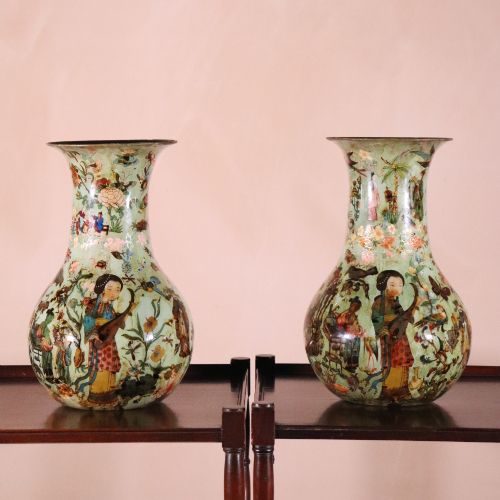
The pieces on this page lean heavily towards decorative figures, sculptures, and pairs designed for display on mantelpieces or tables. European interpretations also appear, including French cast iron Chinese foo dogs and bronze candlesticks modelled as Asian figures, alongside genuine imports from the Meiji and Qing periods.
How they were made
Makers utilised casting techniques for metals, producing solid bronze and brass items as well as cast iron sculptures. These metal pieces often received surface treatments such as polychrome paint or gilding.
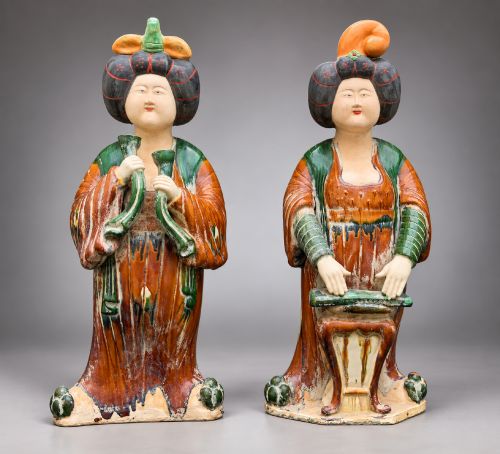
Ceramic objects rely on earthenware and porcelain foundations, decorated with enamels and glazes, including sancai styles. Wood and hardstone materials like soapstone and hardwood underwent intricate hand carving to delineate fine details.
Antique Oriental Decor Figure Retail Price Guide 2026
Typical asking prices for oriental decor figure among the pieces listed under this phrase on Sellingantiques today, from the lower quarter to the upper quarter. They describe what is for sale here now, not the wider market.
The object types recorded here include wall art, sculptures, decorative plates, incense holders, candlesticks, and vases.
What varies in quality
Age and origin also shape worth, with pieces tied to specific eras like the Meiji Period or Qing Dynasty carrying distinct stylistic authority compared to later European derivations.
The Antique Oriental Decor Figure Glossary
- Foo dog
- A traditional Chinese guardian lion symbolising protection and prosperity. These creatures frequently appear in pairs guarding domestic entrances or temples.
- Sancai
- A traditional Chinese three-colour glaze technique. This method predominantly utilises amber, green, and creamy white tones on pottery.
- Meiji Period
- A Japanese historical era lasting from eighteen sixty-eight to nineteen twelve. Craftsmanship from this time often reached Western markets via export.
- Famille rose
- A major palette of Chinese ceramic glazes introduced in the eighteenth century. The style is characterised by opaque pink enamel colours.
- Chinoiserie
- A European stylistic movement reflecting Chinese artistic influences. Artisans in the West applied these motifs to furniture, ceramics, and decorative ironwork.
Antique Oriental Decor Figure: Frequently Asked Questions
What materials are common?
The listings show a diverse selection of substances including bronze, earthenware, carved hardwood, soapstone, and cast iron. Each material brings distinct weight and texture to the sculpture.
Surface decoration frequently involves hand painting, gold leaf, and enamel work to enhance the visual impact of the figures.
How do I style these figures?
Pairs of temple lions or mandarin ducks work well placed symmetrically on sideboards, mantels, or bookcases. Their varied materials allow them to anchor eclectic or traditional interiors alike.
Smaller items like incense holders function well as standalone display objects on coffee tables or desks where close inspection is possible.
Are these pieces European or Asian?
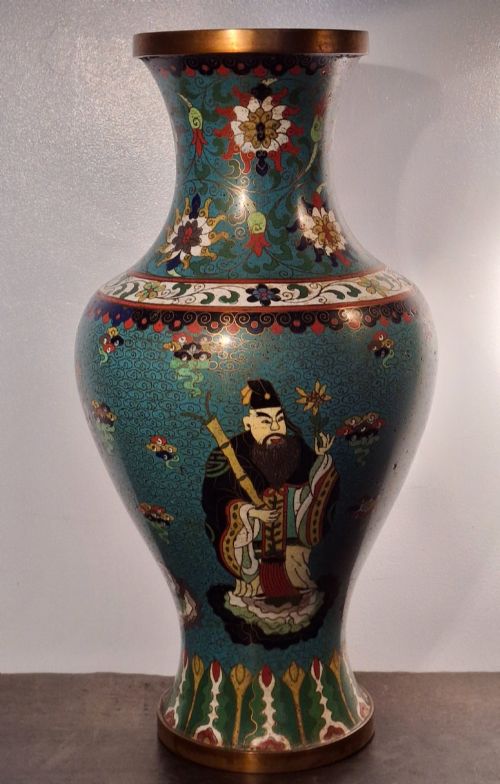
The selection includes both genuine imported works from Asian origins, such as Japanese Kutani vases and Qing Dynasty carvings, and European interpretations.
French makers produced cast iron and bronze items inspired by Asian aesthetics, reflecting the nineteenth-century taste for orientalist design.
How can I tell the period?
Dating relies on stylistic markers associated with periods like the Meiji era, Victorian times, or the Qing Dynasty, combined with evidence of material age.
Manufacturing techniques such as hand-carving in hardwood or traditional bronze casting provide physical clues to the age of each piece.