





Oriental Porcelain Incense Burner
These oriental porcelain incense burner examples bring sculptural form and rich glaze work into a room.
Oriental Porcelain Incense Burner
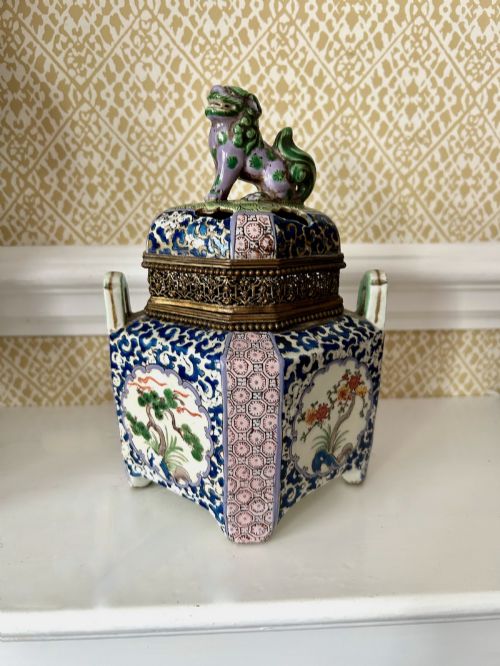
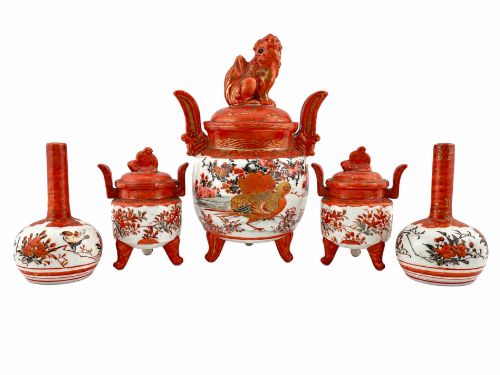
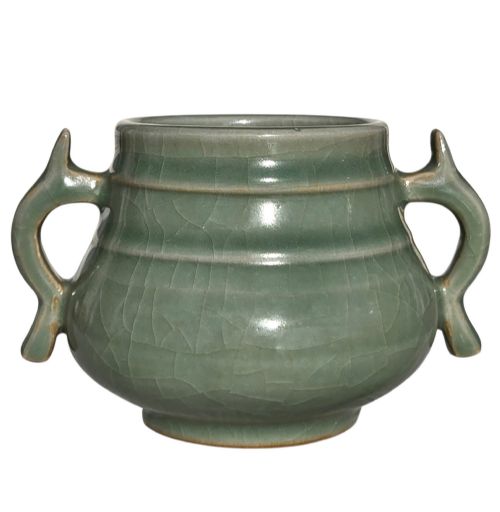
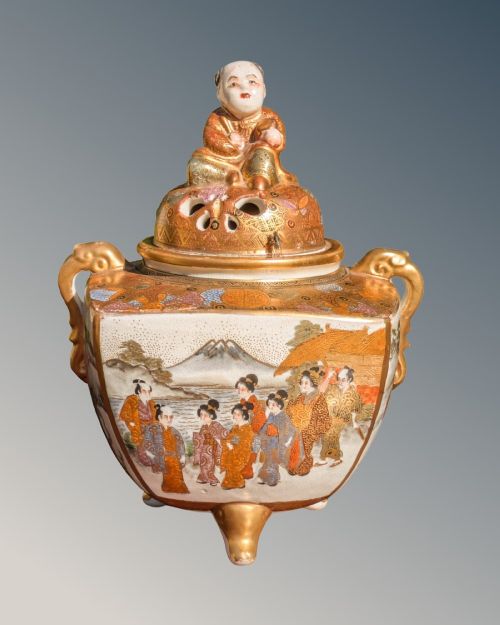
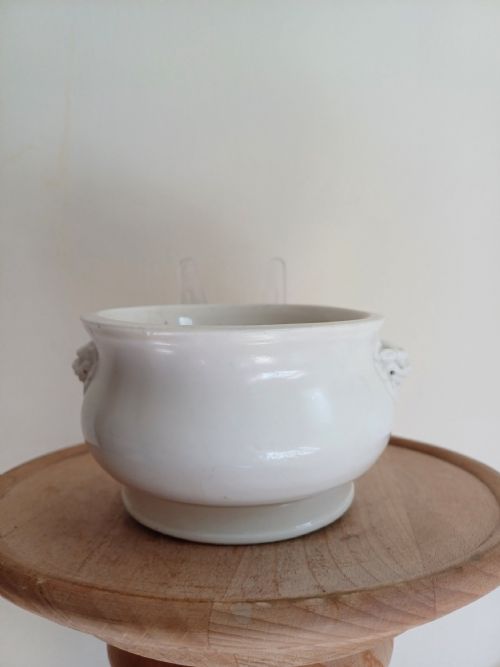
An oriental porcelain incense burner is a vessel designed to hold burning aromatics, frequently encountered in forms such as the traditional koro or censer. These pieces range from lidded vessels featuring sculptural finials to open holders shaped like figurative subjects or treasure ships.
The selections span distinct periods, notably the 17th century, the 19th century, and the Edwardian era. Buyers regularly meet Japanese Meiji period examples alongside Chinese Qing dynasty wares on these pages.
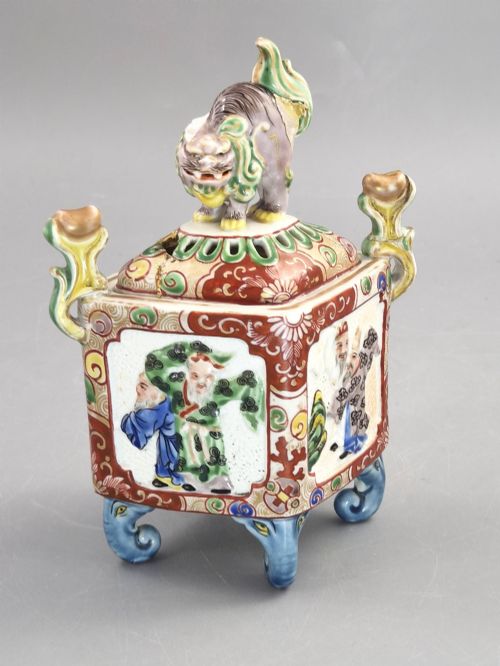
Forms vary from standard tripod bowls to elaborate items decorated with dragon motifs, lion figures, and elephant head feet. Each piece reflects the specific ceramic traditions of its maker and era.
How they were made
Makers utilised porcelain, earthenware, and ceramic bodies shaped by hand or moulded before firing. Cobalt underglaze pigment was often applied to the clay body to create deep blue designs beneath a clear glaze layer.
Many examples incorporate enamel painting and gold leaf or gold gilt highlights applied over the glaze. Reticulated panels and sculpted elements such as dragons and lion finials demonstrate advanced ceramic manipulation.
Oriental Porcelain Incense Burner Retail Price Guide 2026
Typical asking prices for oriental porcelain incense burner among the pieces listed under this phrase on Sellingantiques today, from the lower quarter to the upper quarter. They describe what is for sale here now, not the wider market.
Listings feature 17th century, 19th century, and Edwardian periods alongside materials such as porcelain, enamel, earthenware, and gold gilt.
What varies in quality
The refinement of the sculpted detail separates standard vessels from superior examples. Finely modelled elements such as elephant head feet and sculptural animal finials display sharper definition and greater anatomical care.
The complexity and precision of the surface decoration also determine the grade of the work. Controlled cobalt underglaze painting, intricate enamel work, and the sparing application of gold leaf create a more sophisticated visual depth.
The Oriental Porcelain Incense Burner Glossary
- Koro
- A traditional Japanese incense burner, usually fitted with a cover and resting on feet.
- Censer
- A vessel used for burning incense, common to both Chinese and Japanese ceramic traditions.
- Meiji Period
- The era in Japanese history spanning from 1868 to 1912, known for distinct decorative arts.
- Imari
- A style of Japanese export porcelain featuring deep blue and iron red decoration, often accented with gold.
- Kutani
- A style of Japanese coloured porcelain characterised by bold palettes and intricate enamel work.
- Reticulated
- Describes ceramic work featuring an openwork or pierced lattice design.
Oriental Porcelain Incense Burner: Frequently Asked Questions
How do I date these pieces?
Dating relies on stylistic markers, glaze types, and historical periods associated with the ceramic tradition.
Pieces from the Meiji period carry specific aesthetic traits that differ from earlier Qing dynasty or 17th-century examples.
Were they used daily?
These burners served both practical fragrance functions and decorative display roles within interiors.
Many retain traces of actual use inside the bowl alongside purely ornamental sculptural details.
What is Imari porcelain?
Imari is a prominent Japanese export ware identified by its striking cobalt blue and iron red palette.
Designs frequently incorporate rich gilding over the glaze to highlight floral and geometric motifs.