
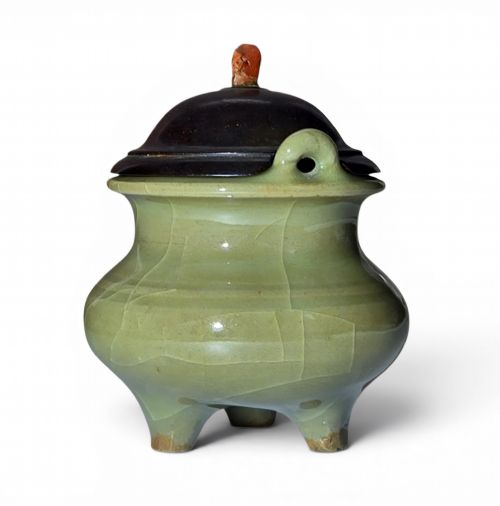


Late Qing Dynasty Ceramic
When you search for late qing dynasty ceramic, you enter a world of vibrant porcelain and pottery produced during the final decades of imperial rule.
Late Qing Dynasty Ceramic
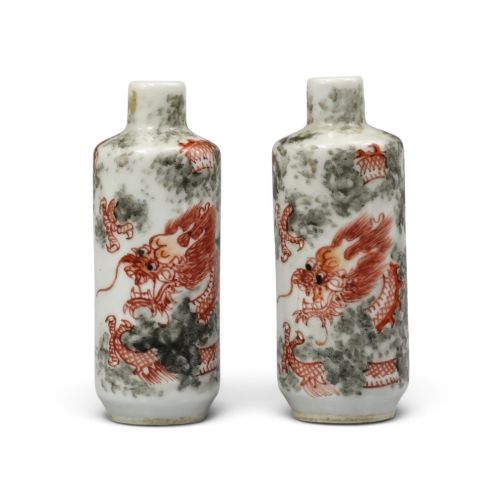
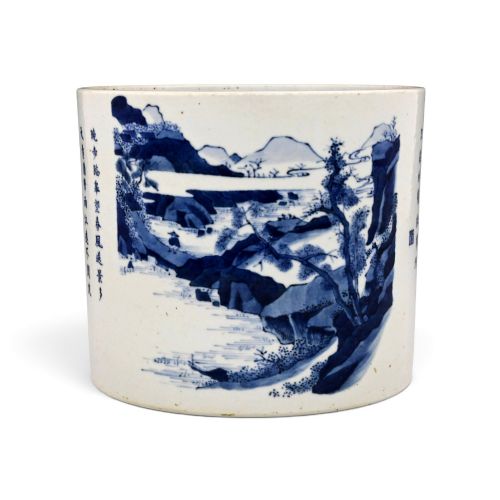
A late qing dynasty ceramic encompasses vessels, figures, and scholar's objects produced during the turbulent final imperial decades and the Guangxu period. Vases, bowls, brush pots, and snuff bottles form the core of the selection available on this page. These wares capture the traditional craftsmanship that persisted towards the close of the nineteenth century.
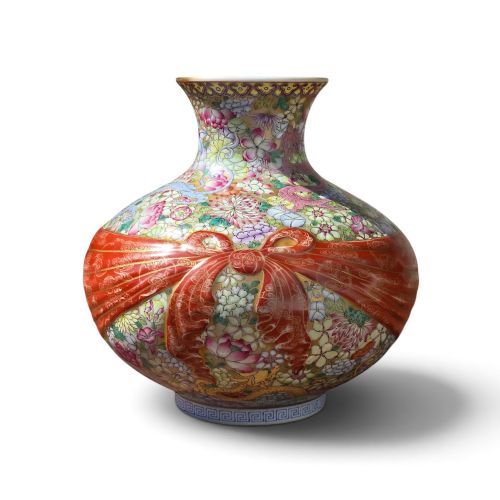
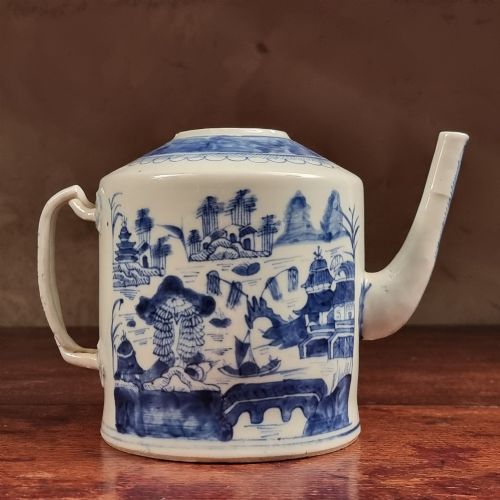
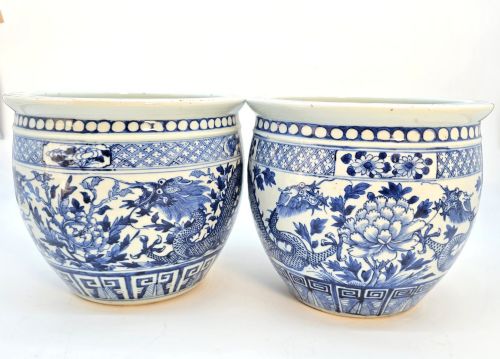
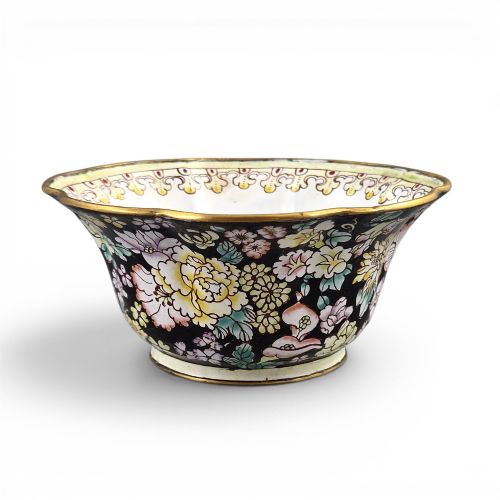
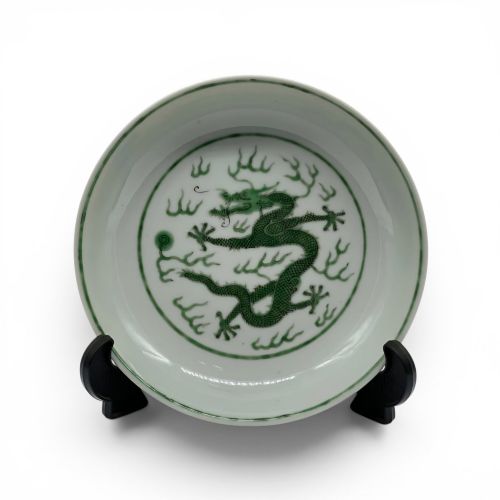
Collectors encounter items ranging from finely painted blue and white porcelain to colourful famille rose jars and moulded Shiwan pottery figures. The forms span practical scholar's desk items such as brush pots alongside purely decorative garden seats and jardinières. Each piece reflects the diverse aesthetic output of kilns operating around the transition into the twentieth century.
How they were made
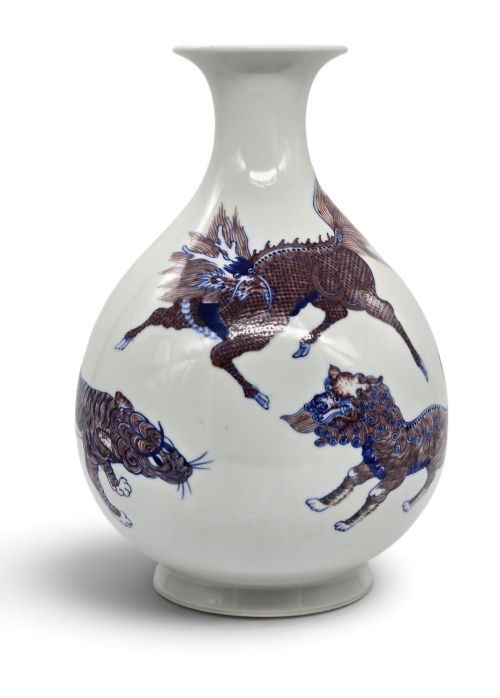
Potters utilised porcelain clay bodies, stoneware, and earthenware, shaping them into vessels and sculptural figures before applying mineral pigments. Cobalt underglaze provided the deep blue tones found on traditional dragon and lotus vases, while copper-red pigments introduced complex polychrome effects. Artisans also employed enamel overglazes, including the rich palette associated with famille rose wares.
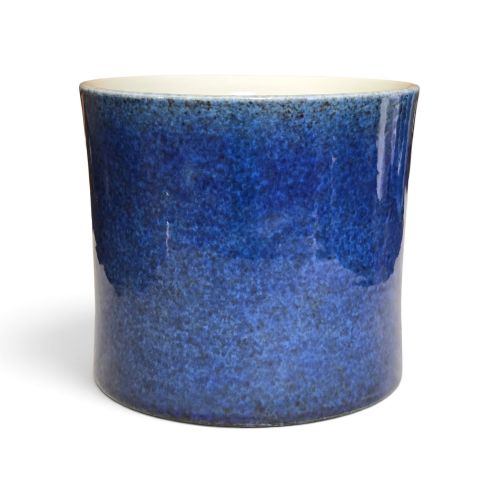
Firing took place in large kilns, notably at centres like Jingdezhen and Shiwan, where temperature control determined the success of crackle-type glazes and powder-blue surfaces. Gold leaf and gilt accents were occasionally added to finished pieces to highlight moulded details. The combination of precise throwing, intricate hand-painting, and specialised glaze chemistry defined the production process.
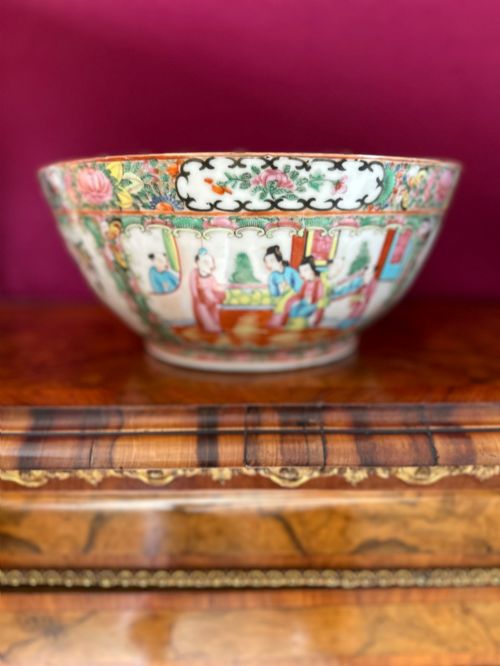
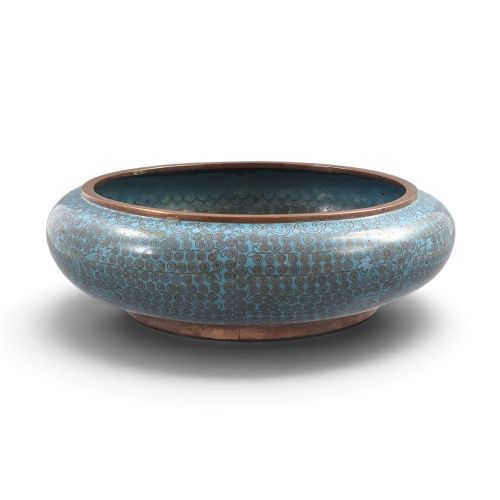
Listings feature porcelain, stoneware, and earthenware forms including vases, brush pots, and Canton bowls.
What varies in quality
The precision of the brushwork largely determines the standing of a piece, separating rapidly executed trade items from meticulously detailed imperial-style works. Fine line work in underglaze blue and carefully controlled enamel layering demonstrate a higher level of artisan skill. The complexity of the subject matter, such as multi-figure scenes and detailed dragon motifs, further distinguishes superior examples.
The quality of the glaze application and the clarity of the underlying ceramic body also dictate value. Smooth, even powder-blue surfaces and well-potted eggshell porcelain require advanced technical mastery during firing. Additionally, the presence of specific reign marks can indicate imperial commission and superior workshop standards.
The Late Qing Dynasty Ceramic Glossary
- Famille rose
- A major palette of Chinese ceramic overglaze enamels introduced in the eighteenth century and widely used during the late nineteenth century. It is distinguished by its opaque pink or rose colour derived from colloidal gold.
- Guangxu period
- The reign period spanning from 1875 to 1908 associated with a significant revival in imperial porcelain production. Pieces from this era often feature precise marks and vibrant enamel decoration.
- Bitong
- A traditional Chinese scholar's brush pot used for holding writing brushes on a desk. They appear in porcelain, pottery, and other materials.
- Shiwan pottery
- A type of southern Chinese stoneware known for expressive figural sculptures and thick, streaky glazes. Figures of lions, tigers, and immortals are common.
- Meiping
- A traditional form of Chinese vase characterised by a narrow neck, broad shoulders, and a tapering base. Originally designed for holding plum branches.
Late Qing Dynasty Ceramic: Frequently Asked Questions
How do I identify a Guangxu mark?
Guangxu marks typically appear as six-character underglaze blue script on the base of the vessel. They designate the specific imperial reign between 1875 and 1908.
Examining the regularity of the brushstrokes helps differentiate genuine imperial marks from later additions or commemorative copies. Collectors compare the blue tone and glaze integration with known examples from the period.
What is eggshell porcelain?
Eggshell porcelain refers to extremely thin, delicate ceramic ware produced with remarkably light walls. Despite the fragile appearance, these vessels required immense skill to throw and fire successfully.
They are frequently decorated with famille rose enamels and were prized for their translucency when held to the light.
Where were these ceramics made?
Production centred on major kiln complexes across China, most notably Jingdezhen for fine porcelain. Regional kilns such as Shiwan specialised in heavier stoneware and sculptural figures.
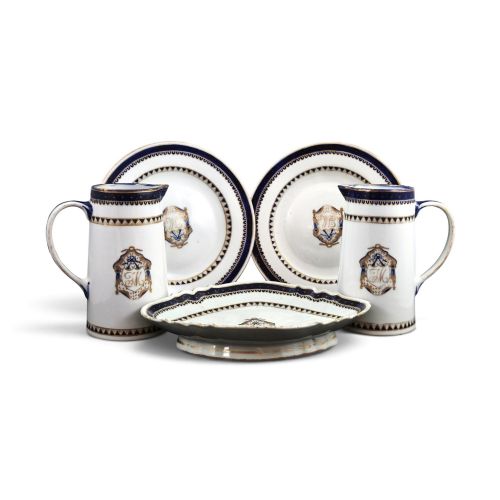
Export wares were also produced specifically for international markets, adapting traditional Chinese motifs to Western decorative tastes.
How should I clean my ceramic?
Dusting gently with a soft, dry brush is generally sufficient for maintaining glazed ceramic surfaces. Avoid using harsh chemical cleaners or abrasive materials that could damage overglaze enamels.
If washing is necessary, use lukewarm water and mild soap, ensuring the piece is dried thoroughly afterwards.