


Chinese Export Porcelain Bird
Chinese export porcelain bird figures and vessels bring vibrant animal forms and intricate enamel palettes into the room.
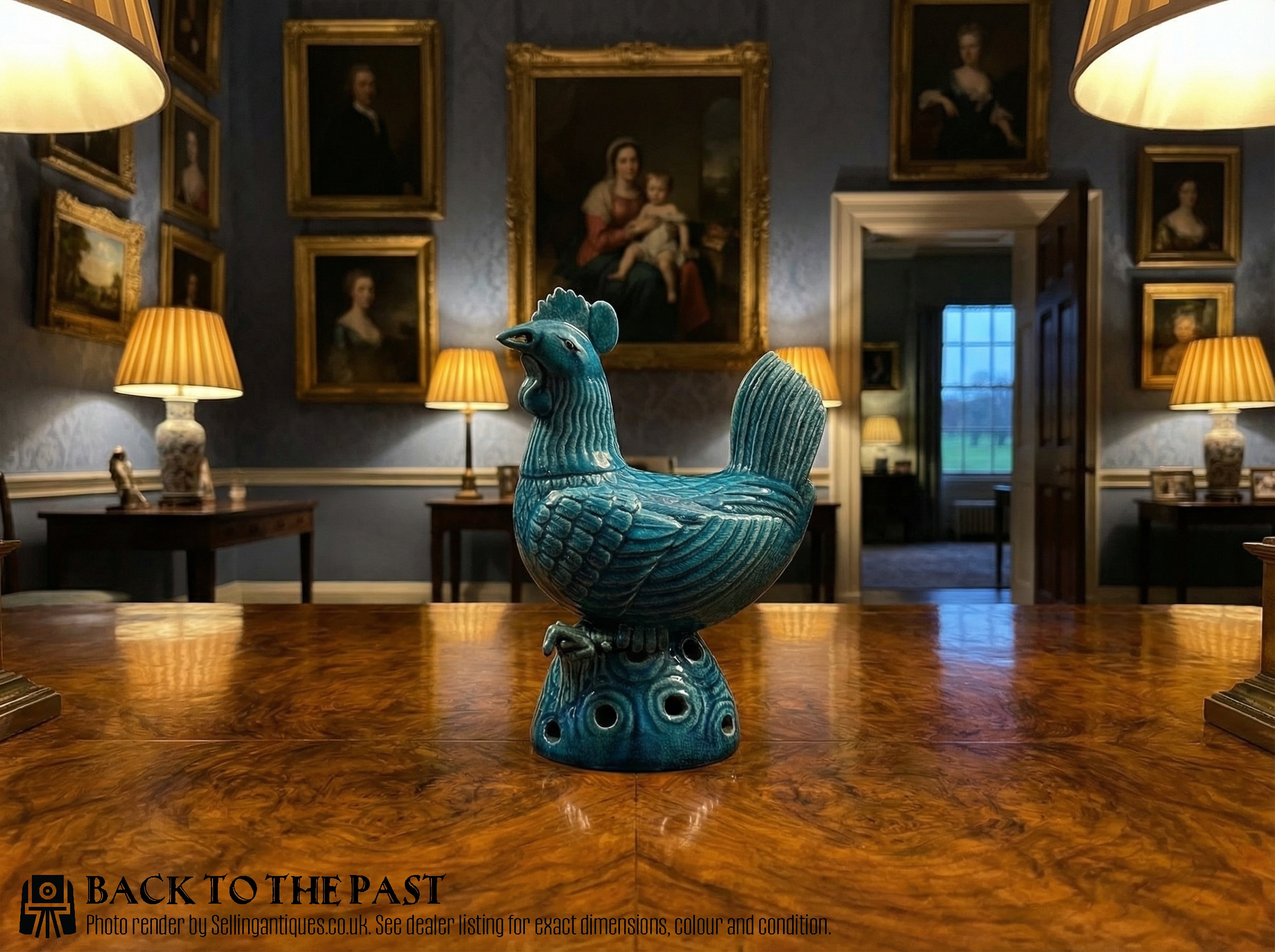
Chinese Export Porcelain Bird
Chinese export porcelain bird figures and plates present winged subjects rendered in traditional palettes across several centuries of production. These items include freestanding figurines such as cockerels, parrots, ducks and pheasants, alongside reserve bowls and plates decorated with avian motifs.
The pieces encountered most frequently on this page date from the nineteenth century, often reflecting Qing Dynasty aesthetics through famille rose, famille verte and turquoise glazes. Buyers also encounter Ming style sancai glazed ducks and earlier kraak plates alongside these decorative figures.
Materials and construction
Makers shaped these items from porcelain and ceramic, applying lead glaze, iron glaze and enamel glaze to the surfaces before firing. Wood elements occasionally appear alongside the ceramic bodies in fitted stands or associated mounts.
The decorative surfaces utilise detailed enamel painting to define plumage, floral reserves and borders. Potters employed specialised glazes such as the sancai three-colour palette and chocolate-coloured Batavia glazes to achieve distinct surface textures.
Listings feature items spanning from the sixteenth century to the early twentieth century, utilising porcelain, ceramic and enamel glaze.
Quality variations
Quality in these figures and vessels rests upon the precision of the enamel work and the naturalism of the bird's posture. Finely rendered plumage and balanced colour application distinguish the more accomplished modelling from simpler production.
The clarity of the glaze and the crispness of the underlying ceramic form also determine the visual strength of the piece. Stronger examples display careful control over both the modelled details and the painted reserves.
The Chinese Export Porcelain Bird Glossary
- Famille Rose
- A palette characterised by opaque pink enamel introduced during the Qing Dynasty. This colouring dominates many nineteenth-century bird and floral designs.
- Sancai
- A three-colour glaze tradition typically combining green, amber and cream tones. It appears on Ming style duck figures.
- Kraak
- A style of Chinese export porcelain featuring panelled decoration around a central motif. Bowls of this type date back to the late sixteenth and early seventeenth centuries.
- Reserve
- A panel or compartment within a ceramic design set apart from the main background pattern. These areas often highlight birds and prunus blossoms.
Chinese Export Porcelain Bird: Frequently Asked Questions
How were these bird figures used?
These pieces served primarily as decorative ornaments within European and domestic interiors, displayed on mantelpieces or cabinets.
Plates and bowls with avian designs combined ornamental display with functional service for dining or table decoration.
How do I date a porcelain bird?
Dating relies on stylistic markers such as the enamel palette, glaze type and form characteristics associated with specific periods.
Nineteenth-century items often show famille rose or turquoise glazes, whereas Ming style pieces utilise sancai glazes and earlier forms.
Where should I display them?
Place freestanding cockerels or parrots on stable surfaces where adequate lighting illuminates the enamel colours and glaze variations.
Plates and bowls fit well in display cabinets or mounted securely on walls to showcase the painted reserve details.
What is export porcelain?
Export porcelain refers to ceramics manufactured in China specifically for overseas markets in Europe and beyond.
These wares often blended traditional Chinese manufacturing techniques with decorative subjects tailored to foreign tastes.