


Antique Chinese Animal Figurine
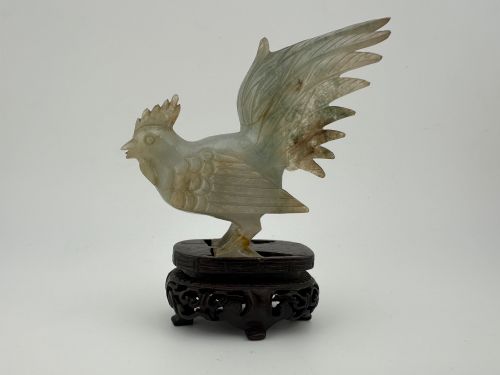
An antique chinese animal figurine brings tactile craft and centuries of tradition into a room, capturing creatures from water buffaloes to cockerels in lasting material.
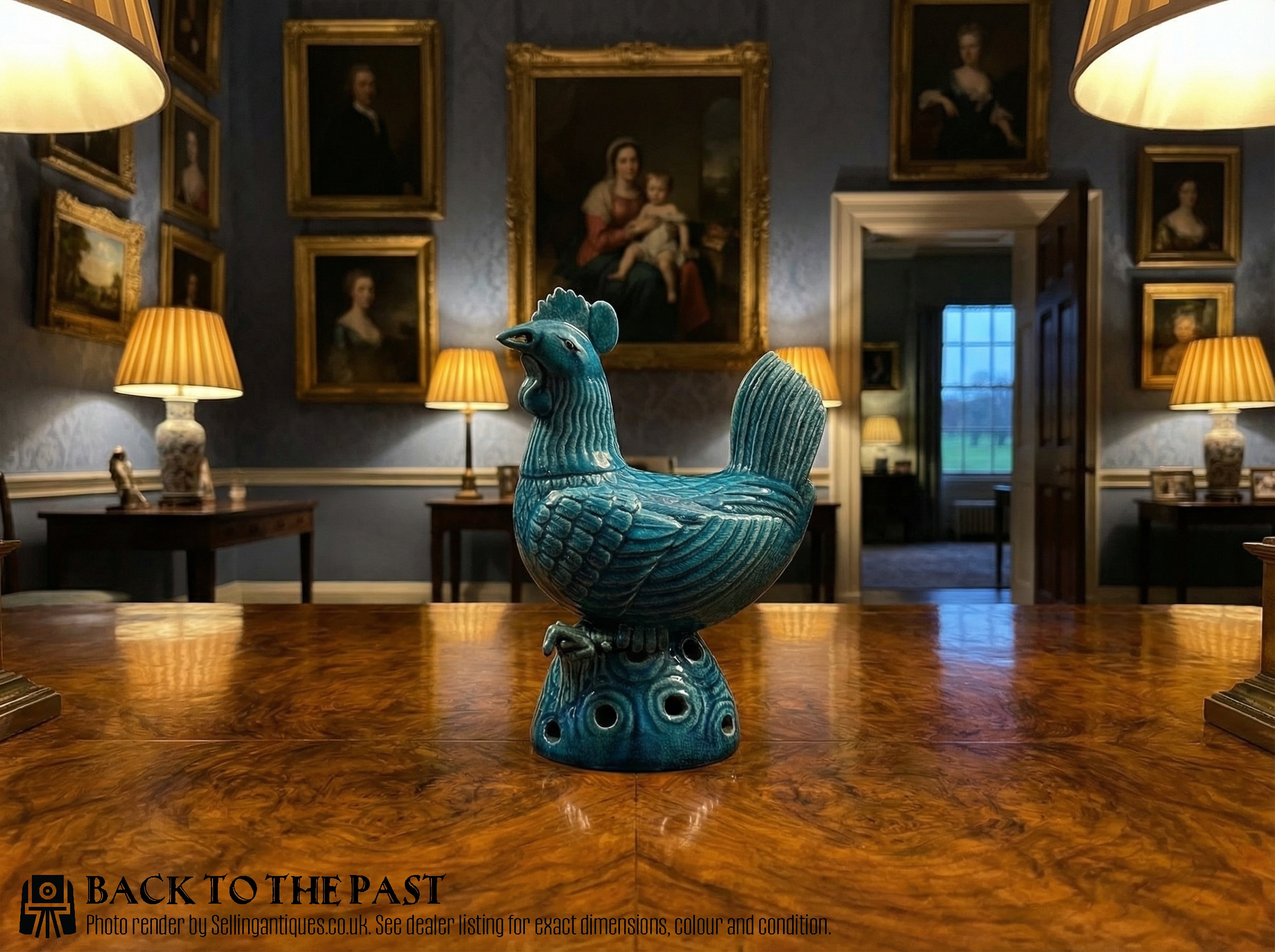
Antique Chinese Animal Figurine
An antique chinese animal figurine encompasses sculptures and carvings produced across the nineteenth and early twentieth centuries, spanning Qing Dynasty pieces and Chinese export works. Buyers encounter subjects ranging from farm animals and wildlife to mythical creatures, captured in domestic and decorative forms.
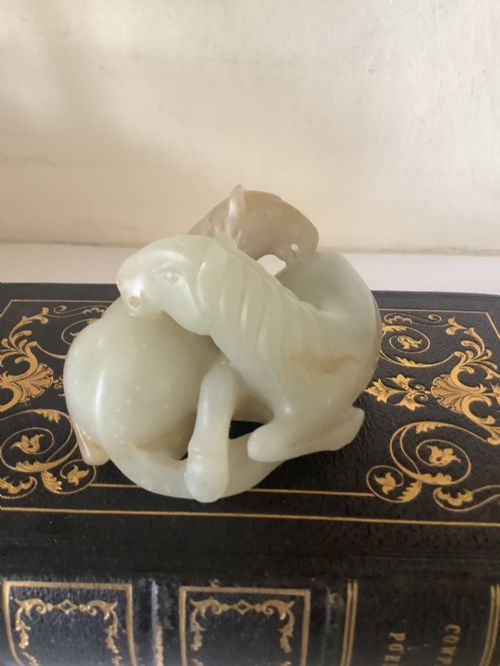
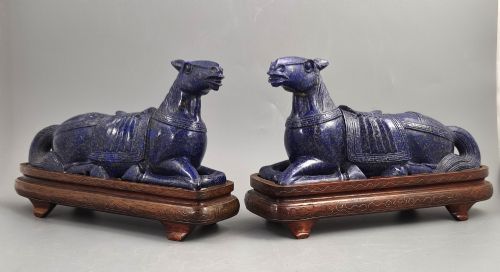
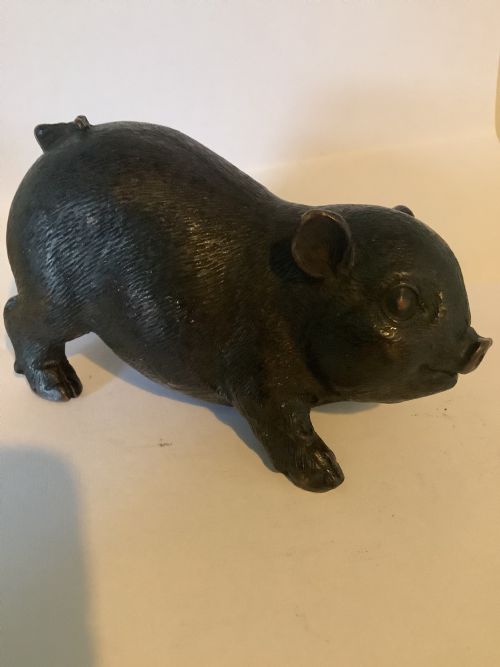
The objects on this page showcase a variety of creature types including horses, water buffaloes, dogs, tigers, pigs, and ducks. These figures serve purely decorative functions, created as miniature sculptures or statues to display on surfaces throughout the home.
Originating from diverse periods such as the seventeen-fifties through to nineteen-ten, these pieces reflect distinct regional and stylistic movements including East Asian folk art and traditional decorative arts. Each item preserves the sculptural conventions of its specific era.
Materials and construction
Maker workshops utilised natural organic substances and minerals, carving hardstone, jade, soapstone, bone, and hardwood into detailed animal forms. These carved sculptures rely entirely on subtractive hand work to define the muscle and posture of each subject.
Ceramic and porcelain versions demonstrate the application of turquoise glazes and mineral pigments over fired clay bodies. Bronze and metal variants utilise traditional casting methods, resulting in substantial figures with patinated surfaces.
Materials on this page span carved hardwood, jade, bronze, bone, and turquoise-glazed porcelain across the nineteenth and early twentieth centuries.
Evaluating craftsmanship
The distinction between standard and superior pieces rests on the precision of the carving and the naturalism of the animal's anatomy. Finer works capture posture and expression with fluid lines, whereas simpler examples rely on rigid or stylised proportions.
Material selection dictates the upper tier of the range, where unblemished jade, rich hardwood grain, or smooth turquoise glazes elevate the piece. The depth of finish and the crispness of surviving detail separate masterworks from commercial export wares.
The Antique Chinese Animal Figurine Glossary
- Qing Dynasty
- The final imperial dynasty of China, lasting from sixteen-forty-four to nineteen-twelve. Many decorative figurines originate from this stable period of artistic production.
- Hardstone
- A non-precious mineral harder than ordinary stone, utilised for miniature carvings. Jade and soapstone belong to this broader category.
- Glaze
- A glassy coating fused to ceramic or porcelain bodies through firing. Turquoise glazes appear frequently on animal studies from this tradition.
- Chinese Export
- Objects manufactured in China specifically for Western markets and international trade. These pieces often blend Eastern motifs with European aesthetic preferences.
Antique Chinese Animal Figurine: Frequently Asked Questions
Where should I display my animal figurine?
These sculptures sit comfortably on bookshelves, mantelpieces, or dedicated display cabinets where adequate lighting highlights their carved details and glazes.
Keep them away from direct sunlight and damp environments to protect organic materials like hardwood, bone, and soapstone from splitting.
How do I clean bronze and ceramic figures?
Dust ceramic and glazed porcelain gently with a dry, soft brush to prevent accumulation in crevices. Avoid using abrasive cleaning agents on turquoise glazes.
For bronze pieces, maintain the dry surface with a microfibre cloth and avoid polishing away historical patination.
How do I date a jade carving?
Dating relies on stylistic clues, tool marks left by the carver, and the specific mineral characteristics of the stone. Nineteenth-century pieces often display distinct handling wear and local carving techniques.
Compare the anatomical style with dated examples from the same Qing Dynasty or export periods.
Are these figurines solid or hollow?
Most stone, hardwood, and metal sculptures are solid and substantial in the hand. Ceramic and porcelain animal studies may be hollow depending on the firing technique used by the pottery.
Weight is a reliable indicator of the material density in jade and bronze items.