


Chinese Bird Statue
These Chinese bird statue examples span bronze, porcelain, and cloisonne enamel, bringing centuries of avian representation into modern interiors.
Chinese Bird Statue
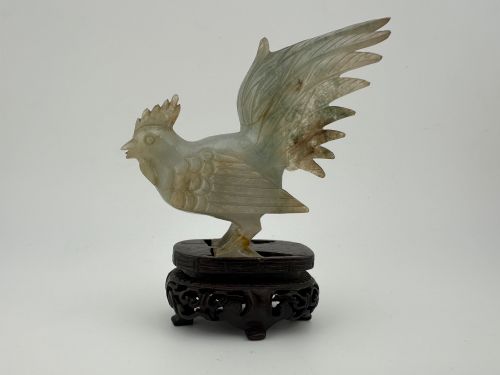
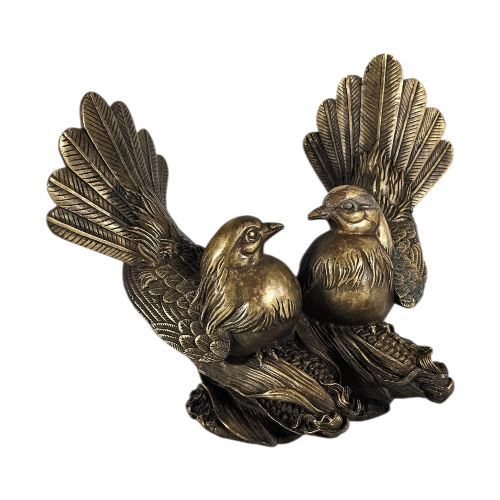
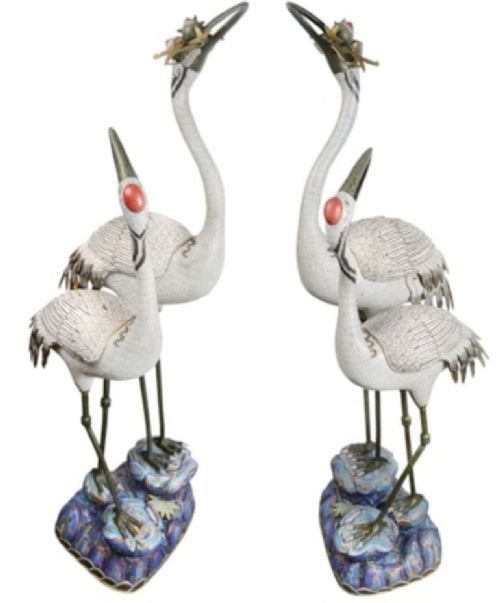
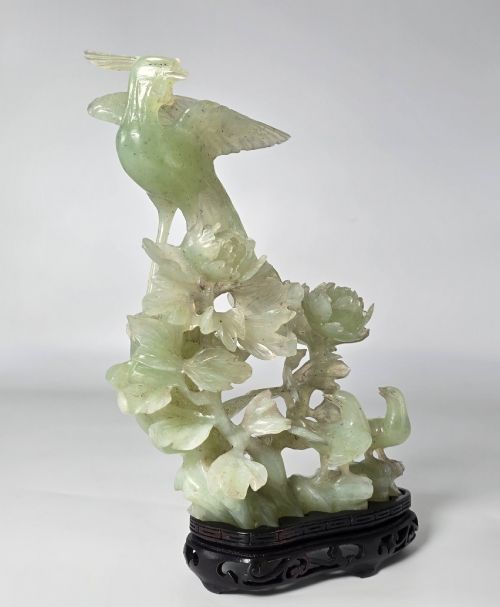
A chinese bird statue encompasses sculptures and decorative figures ranging from the nineteenth century into the early twentieth century. Buyers encountering this selection will discover various avian forms including cranes, ducks, cockerels, pheasants, and quails.
The objects derive from multiple historical periods, notably the Qing Dynasty, Late Qing, and Republic Period Chinese styles. Many pieces are fashioned as symmetrical pairs, reflecting traditional decorative placement.
Materials span bronze, porcelain, cloisonne enamel, copper, hardwood, and hardstone. These diverse mediums yield both naturalistic interpretations and formal Ming style expressions.
Materials and construction
Metalwork pieces utilise cast bronze and copper, frequently embellished with cloisonne enamel work to define plumage and patterns. Other examples employ carved hardwood and pale green carved stone.
Ceramic editions rely on porcelain bodies finished with sancai glaze, turquoise glaze, or famille rose enamel painting. Artisans combined traditional moulding with meticulous hand-finishing to render surface detail.
Mandarin ducks appear here carved from solid hardwood, offering a remarkably permanent take on waterfowl.
Evaluating the craftsmanship
Quality separates through the crispness of the casting in bronze or the precision of the wirework in cloisonne enamel. Superior porcelain versions demonstrate controlled glazing and finely articulated feather painting.
Sculptural presence depends on the anatomical accuracy and expressive posture captured by the artisan, whether representing a perched cockerel or a pair of mandarin ducks.
The Chinese Bird Statue Glossary
- Cloisonne enamel
- Metalwork technique where thin wires form compartments filled with enamel paste before firing. This method creates vibrant, multi-coloured surface patterns across the body of the bird.
- Sancai glaze
- Three-colour ceramic glaze tradition originating in ancient kilns and revived in later periods. It produces rich amber, green, and cream tones on porcelain figures.
- Famille rose
- Palette of opaque rose-pink enamel introduced to Chinese porcelain decoration. It allows for subtle tonal shading on avian plumage.
- Qing Dynasty
- The final imperial dynasty of China, spanning over two centuries of diverse artistic production. Pieces from this era often carry specific reign marks or stylistic markers.
Chinese Bird Statue: Frequently Asked Questions
What species do these statues represent?
The selection includes specific birds such as cranes, ducks, cockerels, quails, and pheasants, alongside mythical phoenix figures.
Many of these avian subjects carry traditional symbolic meanings within Chinese decorative art.
How are pairs matched?
Sculptures often appear as mirror-image pairs designed for symmetrical display on mantelpieces or cabinets.
Matching pairs share identical materials, scale, and stylistic execution from the same period.
Where should I display them?
These statues suit placement on sideboards, desks, or dedicated display shelving where their materials can catch the light.
Their varied heights and materials allow them to integrate easily into existing collections of Asian art.
How do I identify the materials?
Bronze and copper pieces offer weight and metallic patination, while cloisonne presents distinct wire-bounded enamel cells.
Porcelain versions reveal ceramic bases under glaze, and hardstone or hardwood pieces show natural grain and mineral structure.