




Late Qing Famille Rose
Late qing famille rose brings the vibrant palette and meticulous hand-painted detail of nineteenth-century Chinese kilns directly into your rooms.
Late Qing Famille Rose
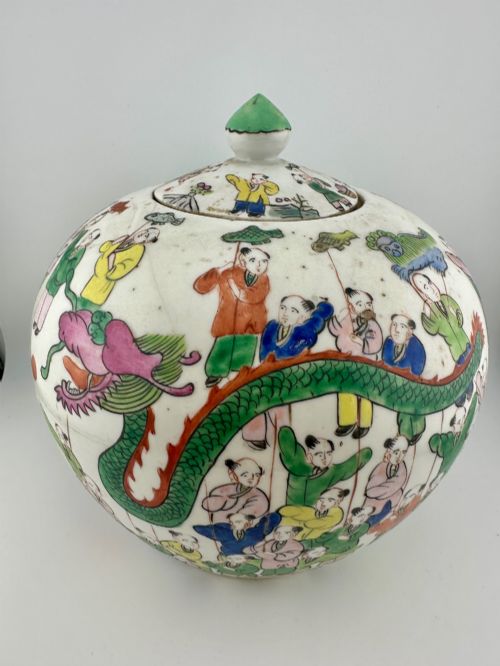
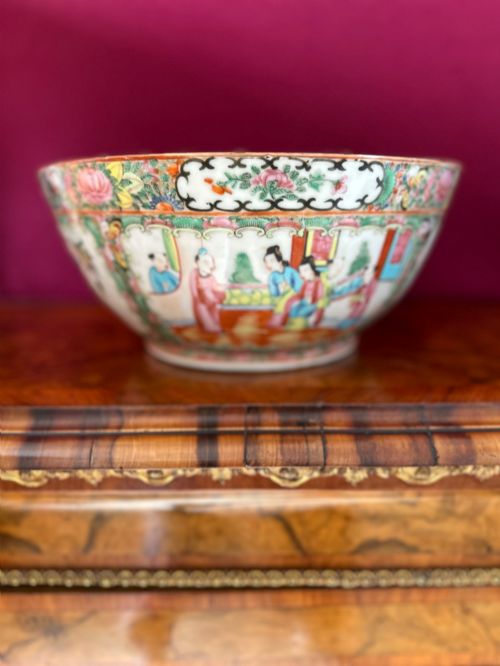
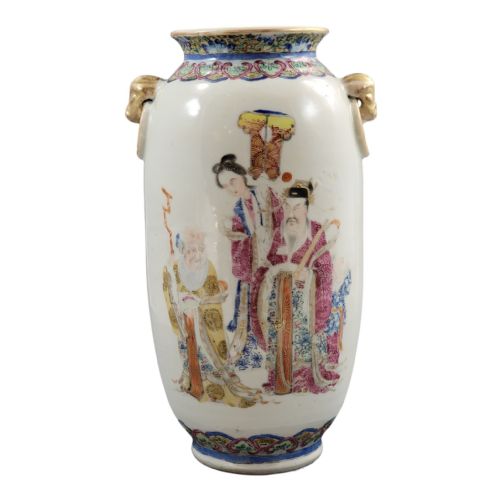
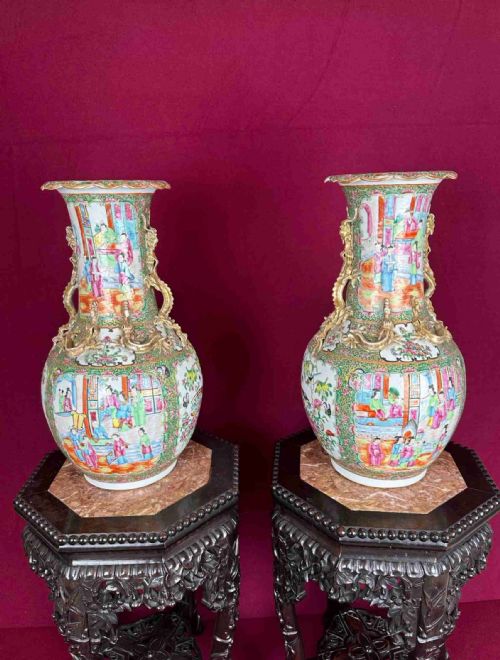
Late qing famille rose comprises decorative bowls, vases, snuff bottles, and figures created during the nineteenth century and the turn of the twentieth century. These objects showcase the distinctive opaque pink enamel introduced during the Qing dynasty, often combined with rich overglaze colours.
The versions most commonly found here include Cantonese export pieces, garden seats, and vessels bearing floral or figural motifs. Makers utilised porcelain and earthenware as foundations for intricate scenes depicting birds, flowers, and traditional figures.
Originating from major production centres like Jingdezhen and Canton, these items reflect both domestic tastes and international trade demands. Pieces range from delicate eggshell bowls to robust lamps and large ceremonial jars.
How they were made
Potters shaped fine porcelain and earthenware bodies before applying white glazes and firing the pieces at high temperatures. Artisans then painted detailed surface designs by hand utilising enamel pigments alongside gold leaf and gilt accents.
Specialised techniques allowed workshops to layer colours such as turquoise and iron-red, creating textured motifs like millefleurs and ribbon-wrapped patterns. Some vessels incorporated metal mounts in brass or white metal for functional utility.
Late Qing Famille Rose Retail Price Guide 2026
Typical asking prices for late qing famille rose among the pieces listed under this phrase on Sellingantiques today, from the lower quarter to the upper quarter. They describe what is for sale here now, not the wider market.
What varies in quality
Quality rests upon the precision of the hand-painting, the complexity of the enamel layering, and the fineness of the porcelain body. Thinner eggshell bowls and sharply detailed figural scenes represent the upper tier of production.
The presence of reign marks, such as those from the Guangxu period, alongside well-preserved gilding, elevates the standing of an individual piece. Compositional balance and the crispness of motifs separate standard export wares from exceptional workshop output.
The Late Qing Famille Rose Glossary
- Famille rose
- A major palette of Chinese ceramic enamels introduced in the eighteenth century, distinguished by its predominant opaque pink or rose colour derived from colloidal gold.
- Canton
- A southern Chinese port city famous for producing colourful export porcelain decorated locally with dense floral and figural patterns.
- Guangxu
- The reign period spanning from 1875 to 1908, associated with a notable revival in imperial porcelain production and specific reign marks.
- Millefleurs
- A decorative style translating to a thousand flowers, featuring a dense, multicoloured background that covers the entire ceramic surface.
- Eggshell porcelain
- An exceptionally thin and lightweight ceramic ware valued for its translucency and delicate craftsmanship.
Late Qing Famille Rose: Frequently Asked Questions
How do I date late qing famille rose?
Dating relies on stylistic markers, historical periods, and occasionally imperial reign marks found on the base of the porcelain.
Comparing the enamel application and subject matter against documented nineteenth-century examples helps confirm the era of production.
Are these pieces safe to use daily?
Most of these antique ceramics are intended for decorative display rather than heavy practical use due to their delicate enamel surfaces.
Hand washing gently in lukewarm water protects the historic gilding and prevents damage to the overglaze decoration.
How do I clean antique porcelain safely?
Dusting with a soft, dry brush prevents the accumulation of particulate matter on textured surfaces and intricate gilt work.
Avoid harsh chemical cleaners, abrasive sponges, and immersion in hot water to preserve the integrity of the fragile enamels.