


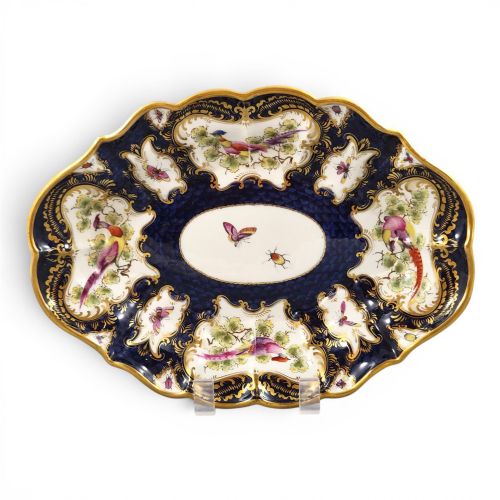
Hand Painted Bird Porcelain
Hand painted bird porcelain brings vibrant avian detail to the table, offering a glimpse into centuries of fine ceramic artistry.
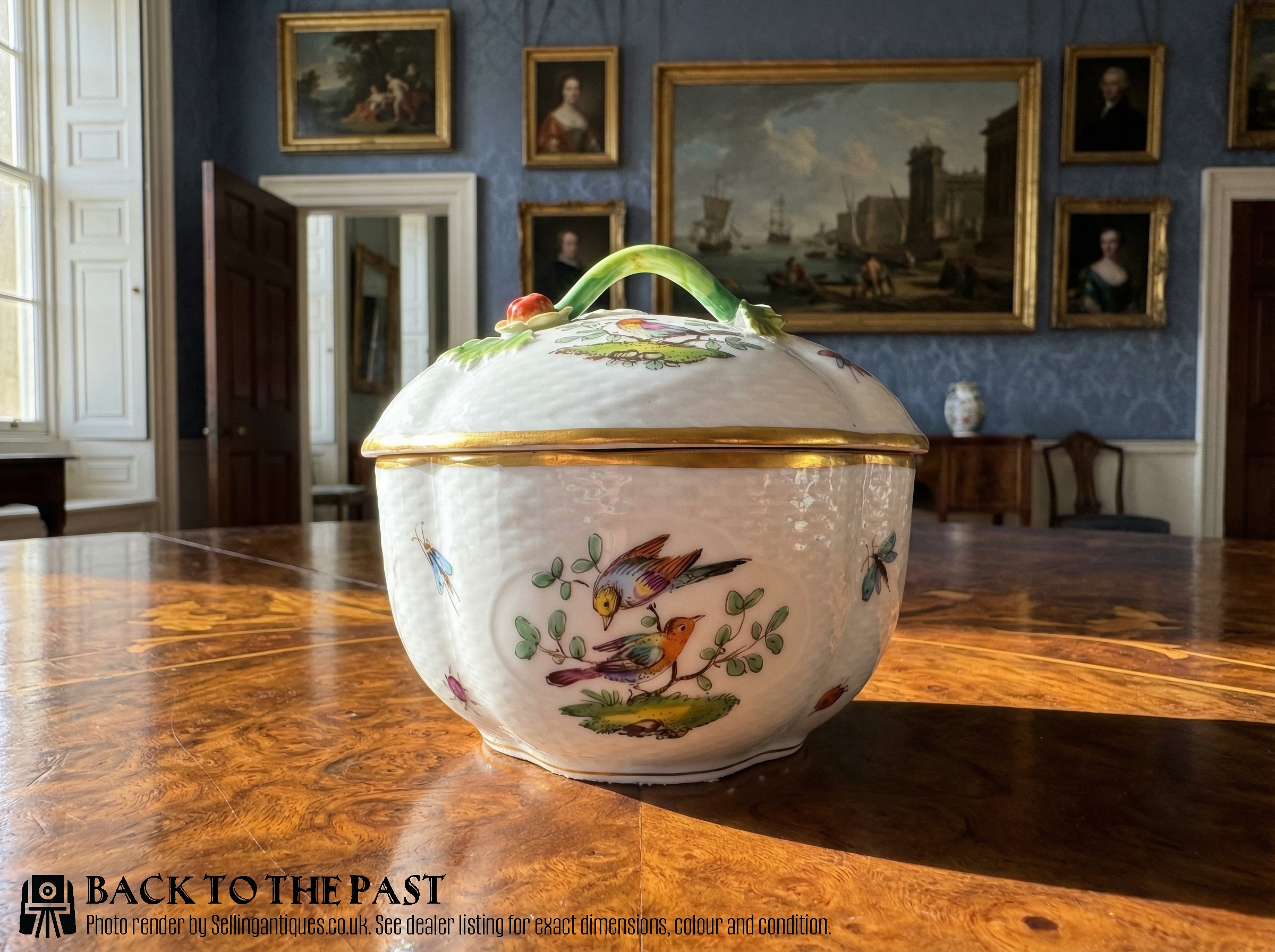
What hand painted bird porcelain is
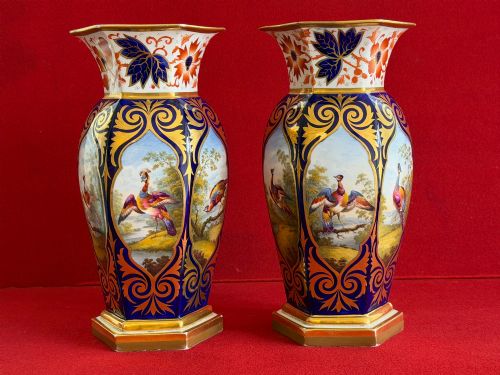
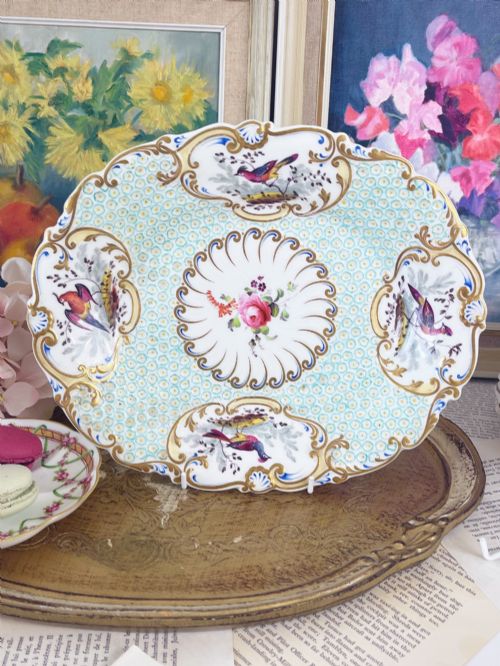
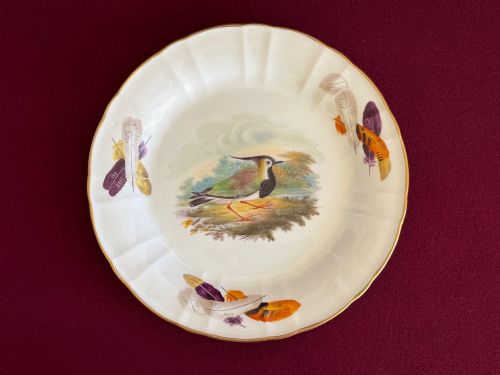
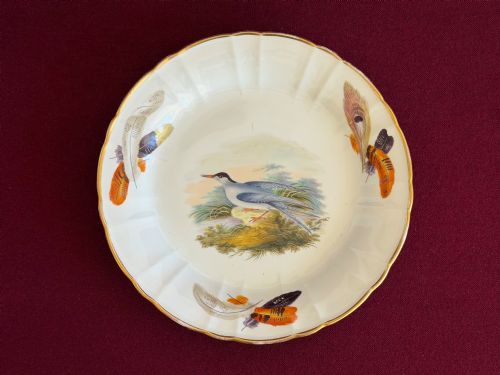
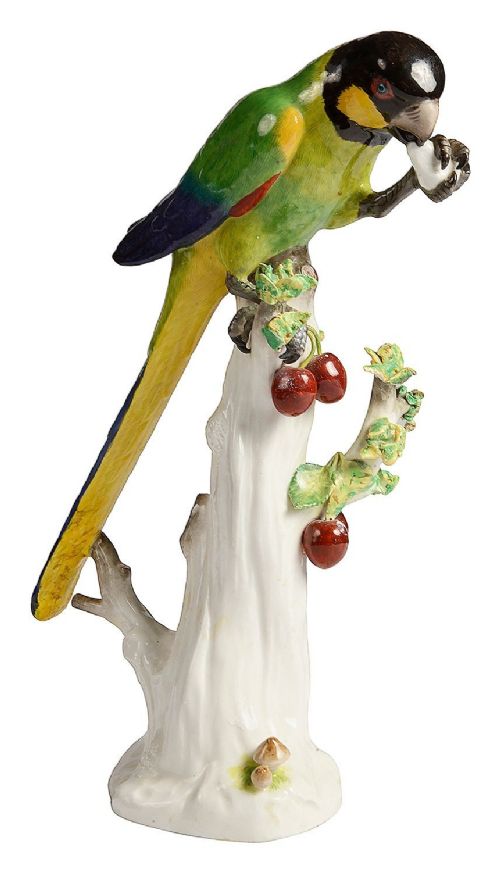
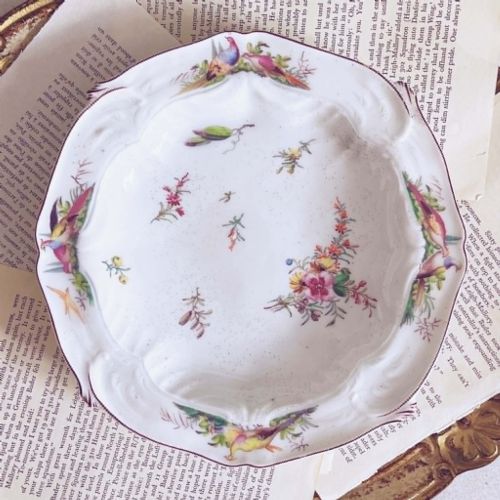
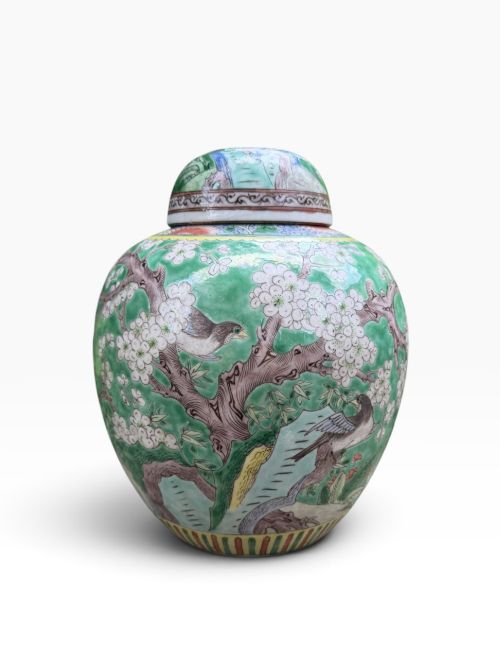
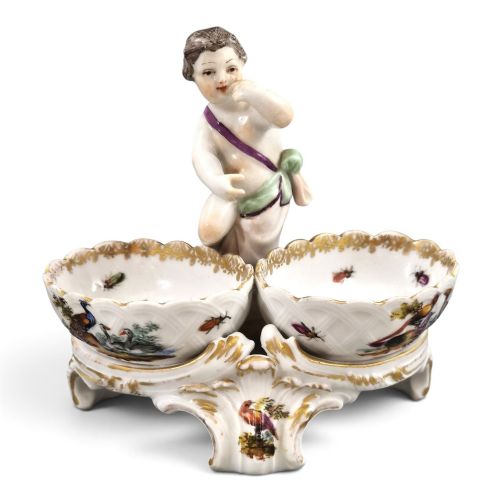
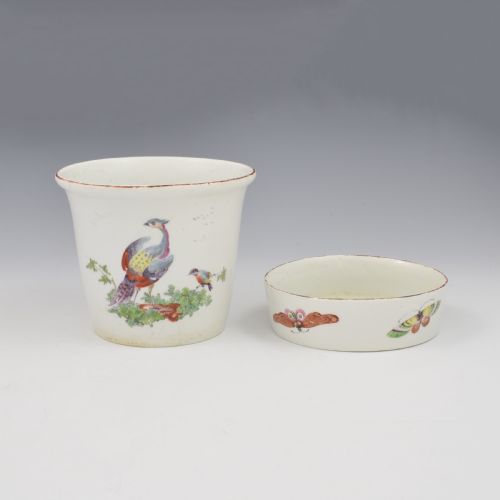
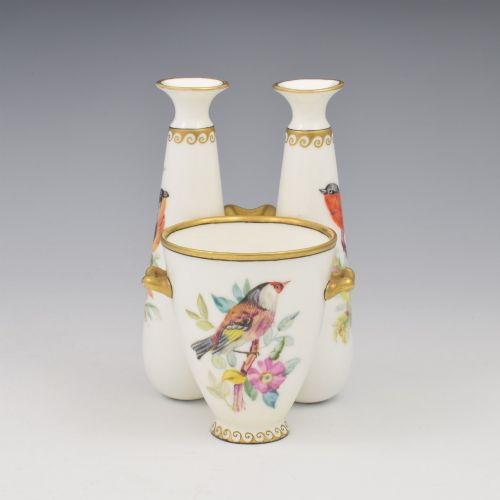
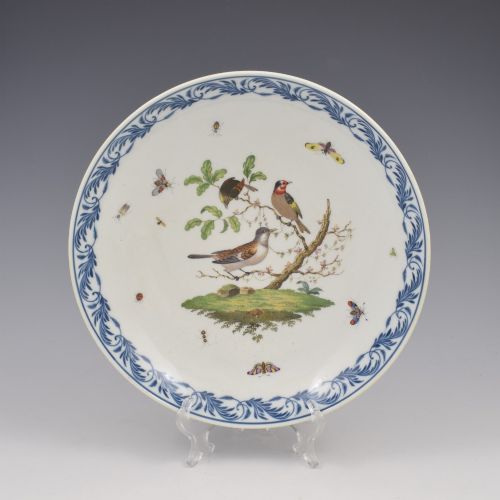
Hand painted bird porcelain encompasses tableware and display vessels decorated with fine avian motifs. Buyers seeking hand painted bird porcelain will find salt cellars, jardinieres, coffee cups, lidded bowls, and cream tureens.
The pieces on this page span the eighteenth and nineteenth centuries, including items from Georgian, Regency, and Rococo Revival periods. These earlier wares reflect a tradition of skilled ceramic painting applied to practical and decorative household objects.
How they were made
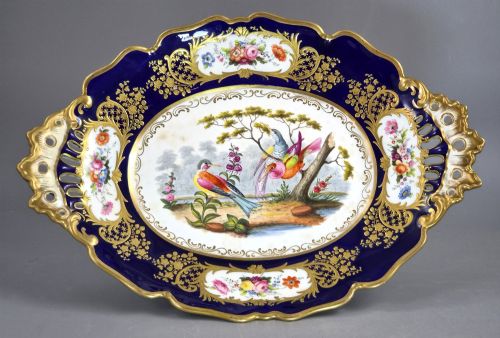
The objects are formed from porcelain and soft-paste porcelain, then hand-painted with enamel pigments to depict detailed plumage and natural scenes. Kiln-firing sets these colours into the glaze, creating a permanent decorative surface.
Many examples incorporate gold leaf gilding along the rims, handles, and borders to frame the painted bird subjects. This combination of ceramic body, enamel paints, and metallic leaf requires precise timing in the kiln.
Retail Price Guide 2026
Typical UK retail prices for hand painted bird porcelain, calculated from the Sellingantiques database of over a million retail prices indexed since 2003. This retail price guide relies exclusively on Sellingantiques data; no external sources or auction records are used, so the figures do not describe the wider market.
Listings feature porcelain and soft-paste porcelain decorated with enamel and gold leaf, spanning the eighteenth and nineteenth centuries.
What varies in quality
The standard of painting determines much of the visual success, distinguishing swift commercial work from meticulous artistic rendering. Fine feather detail, anatomical accuracy, and balanced composition separate superior examples from simpler factory output.
The quality of the porcelain body and the preservation of the gilding also shape the piece. Heavier, crisper potting and intact gold leaf indicate a higher grade of production from leading factories.
KPM Berlin·Barr Flight And Barr·Dresden Porcelain·Flight Barr And Barr·Chamberlains Worcester
The Hand Painted Bird Porcelain Glossary
- Soft-paste porcelain
- An early ceramic composition made from white clay mixed with glass frit and other minerals, fired at lower temperatures than hard-paste. This material absorbs glaze differently and often shows a warm, softer texture.
- Enamel
- Opaque or translucent glass-based paint applied to the fired porcelain surface and fixed in a muffle kiln. It allows for a rich palette of colours suited to miniature bird painting.
- Gold leaf
- Thin sheets of hammered gold applied to porcelain surfaces as an accent. It is often burnished to a bright finish alongside hand-painted motifs.
- Potpourri
- A lidded vessel pierced with small holes to release the scent of dried flower petals and spices placed inside. These bowls combine decorative ceramic painting with functional perfuming.
Frequently Asked Questions
What periods do these pieces come from?
The pieces span the eighteenth and nineteenth centuries, taking in Georgian, Regency, and late nineteenth-century eras. Stylistic clues such as Rococo Revival moulding help place specific items.
Factory marks, where present, also assist in narrowing down the date of manufacture.
How were these porcelain items used?
Many served practical dining functions, such as salt cellars, coffee cups, and cream tureens. Others, like jardinieres and potpourri bowls, were designed for interior decoration and scenting rooms.
Wealthy households used such decorated wares to display status during meals and formal gatherings.
How should I care for antique porcelain?
Hand washing in lukewarm water with mild soap is essential for preserving enamel and gold leaf. Dishwashers and harsh abrasives will damage the painted surfaces permanently.
Display pieces should be kept away from direct sunlight to prevent any fading of the pigments.
How do I identify different factories?
Factories often applied painted, impressed, or printed marks to the underside of the porcelain body. Studying the specific style of the bird painting and the shape of the vessel also points towards particular makers.
Comparing pieces to documented factory archives confirms the origin.