
Antique Ceramic Covered Dish
An antique ceramic covered dish brings utility and ornament to the table, uniting domestic history with fine earthenware and porcelain.
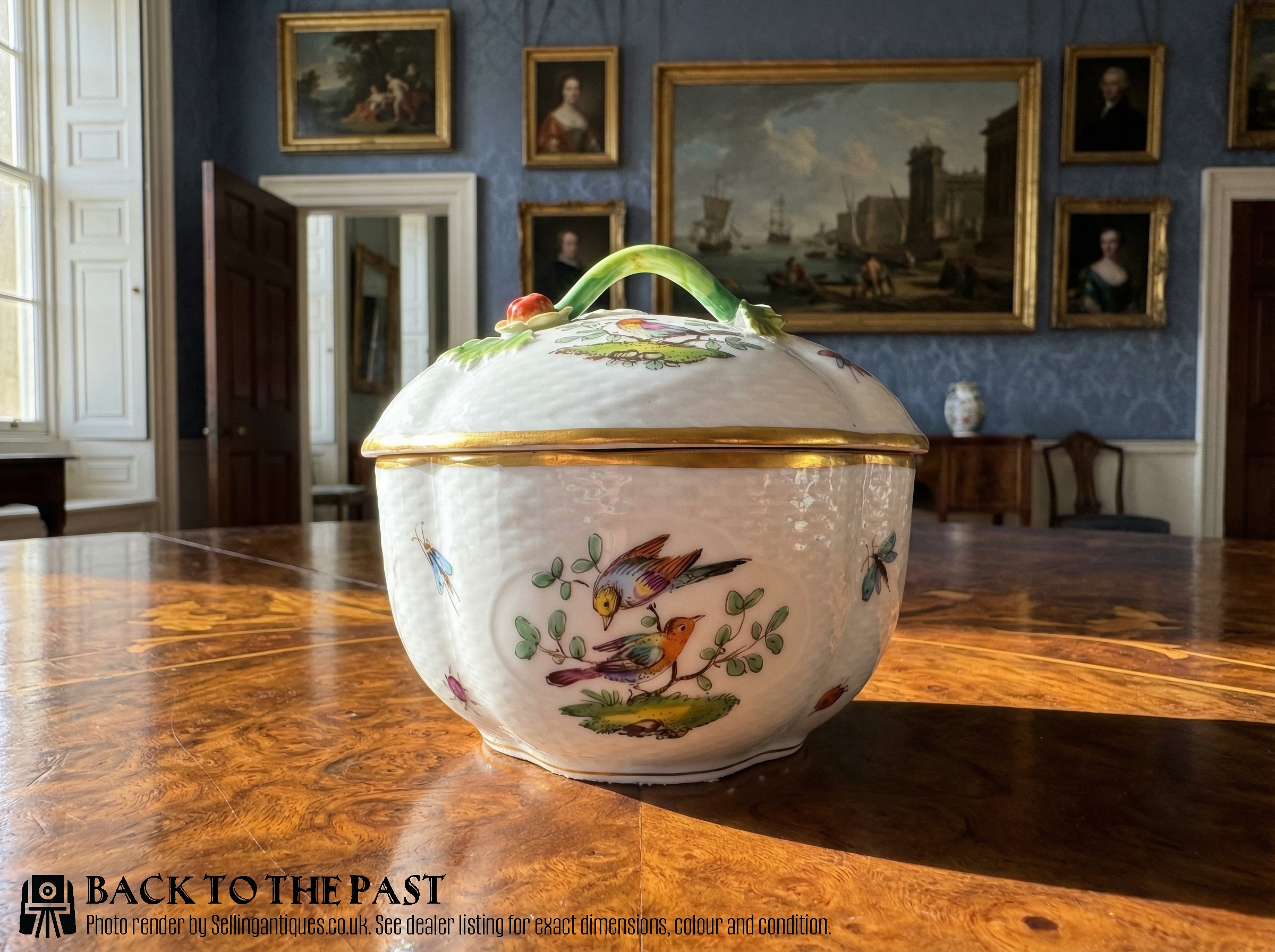
Antique Ceramic Covered Dish
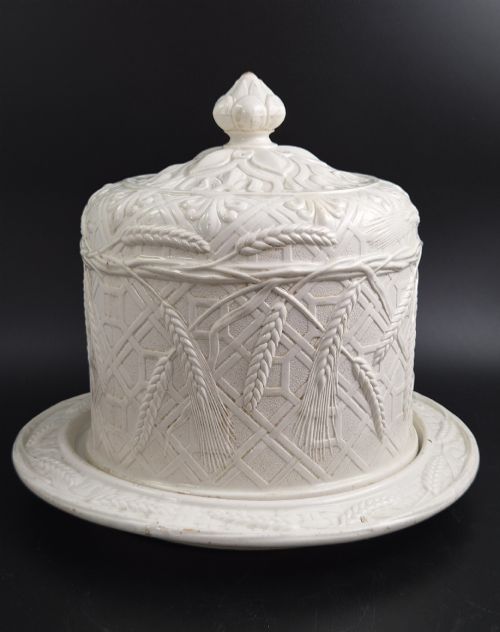
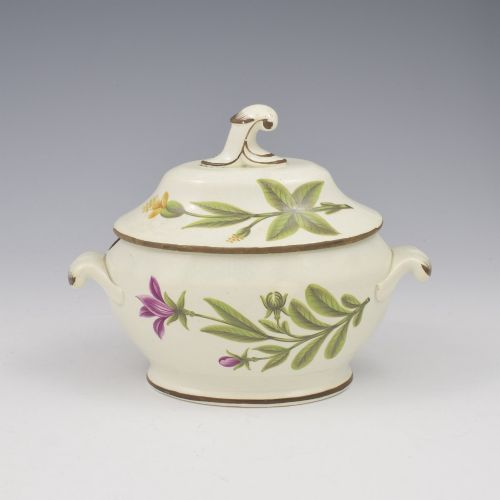
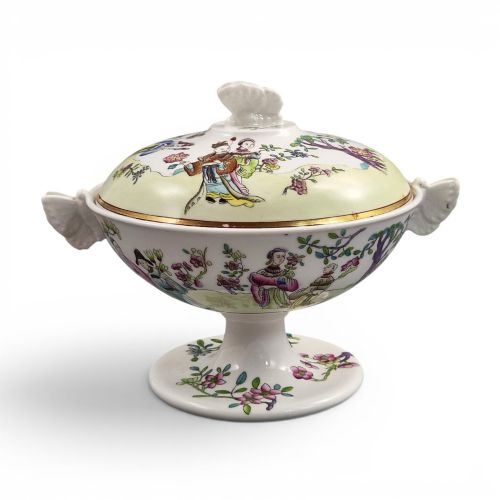
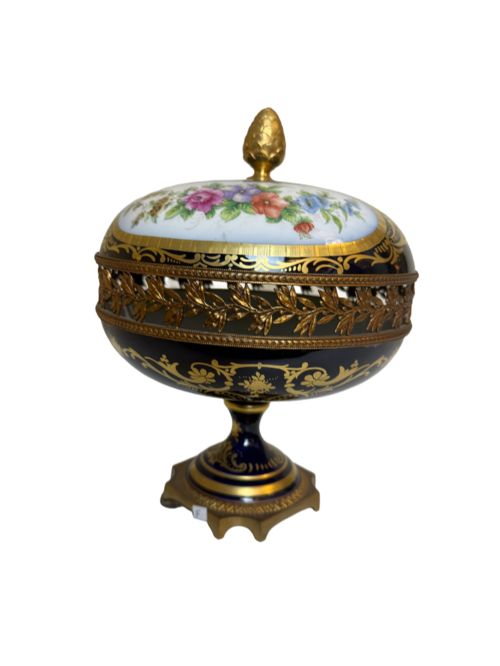
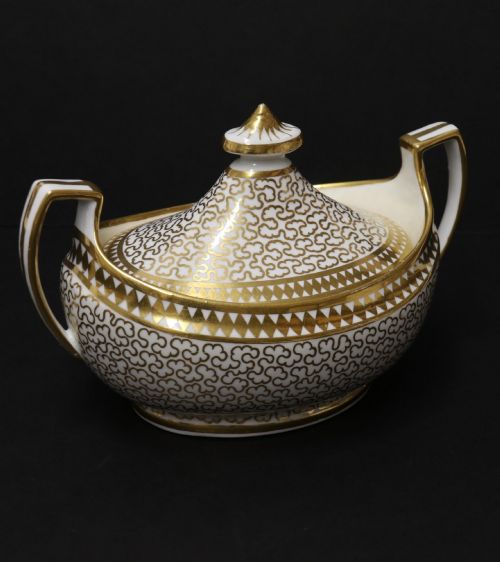
An antique ceramic covered dish encompasses utilitarian vessels created for the dining table, including cheese domes, sauce tureens, vegetable dishes, and butter boxes. These lidded forms fulfilled specific culinary needs in dining rooms from the Georgian period through the Victorian era and into the early twentieth century.
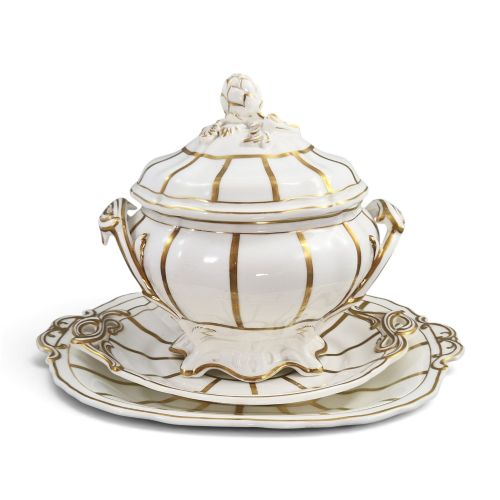
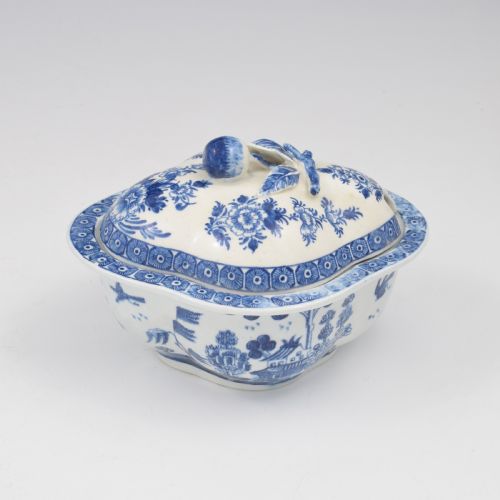
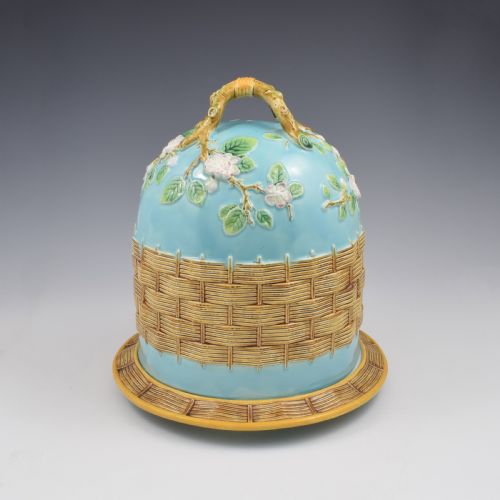
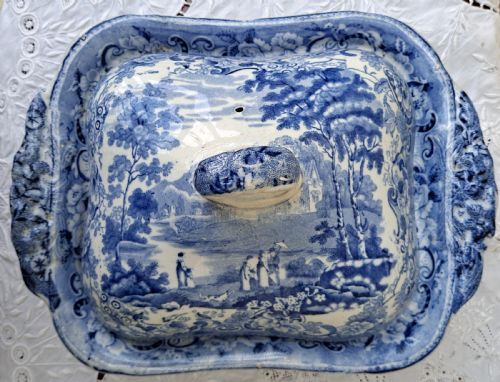
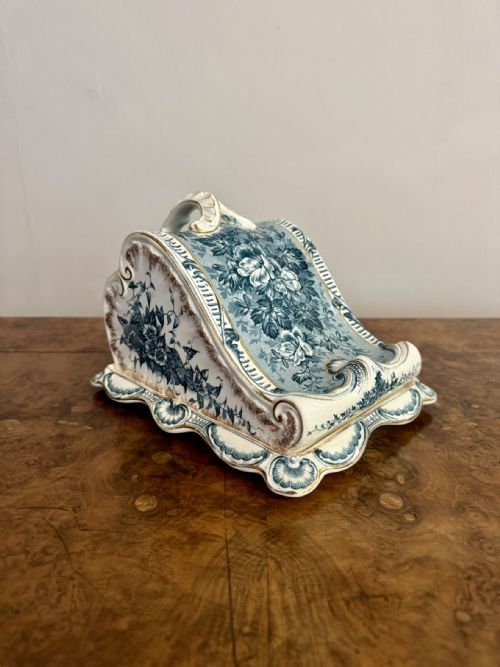
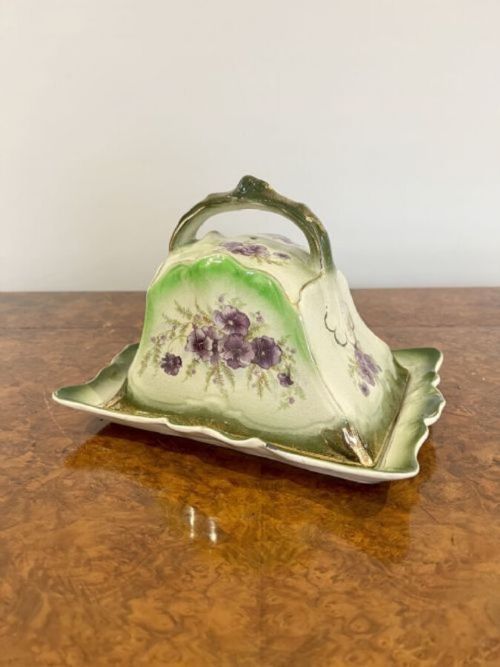
The pieces on this page are predominantly British and European productions in porcelain, ironstone, and earthenware. Visitors will encounter large cheese bells with stands, transfer-printed vegetable tureens, and smaller decorative covered bowls from various nineteenth-century workshops.
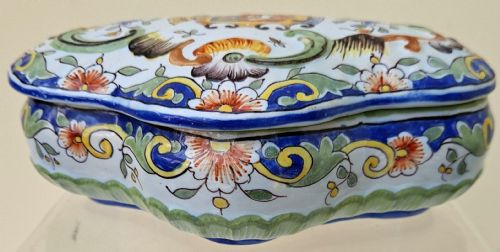
Moulded decoration, transfer printing, and hand-painted enamel define the surface treatments across these forms. From heavy utilitarian ironstone to delicate bone china, each dish demonstrates the domestic habits and ceramic manufacturing capabilities of its period of origin.
How They Were Made
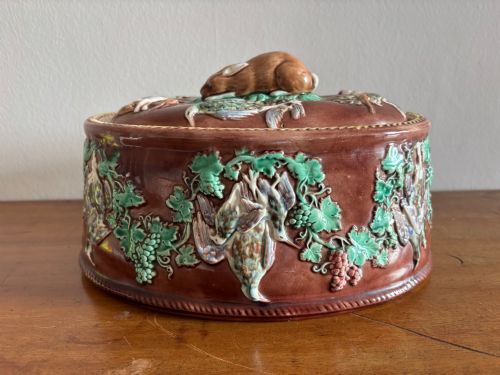
Potters utilised materials such as ironstone, bone china, pearlware, and majolica, shaping them through throwing, pressing in moulds, or casting. Complex forms like cheese domes and handled tureens required multiple fitted parts that had to align accurately after firing.
Glazes provided a protective and decorative surface, often enriched with cobalt blue transfer printing, polychrome enamels, or touches of gold leaf. High-temperature kiln firings secured the body and glaze, while subsequent lower-temperature firings fixed enamel colours and gilding where applied.
Materials span Earthenware, Glaze, Enamel, Gold Leaf, Porcelain, Ceramic, Ironstone, and Glazed Ceramic.
What Varies In Quality
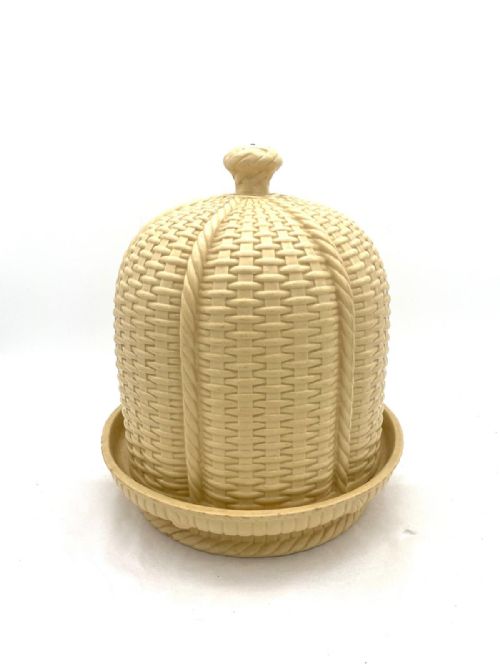
Quality rests in the crispness of moulded detail, such as basket-weave textures, botanical motifs, or structural handles, which can soften in inferior or worn secondary moulds. The precision of transfer printing and the control of hand-painted enamel also distinguish standard domestic wares from exceptional productions.
The integrity of the body and glaze remains fundamental, noting the balance between a weighty ironstone vessel and a translucent porcelain bowl. Superior examples retain their original matching stands and undamaged finials, preserving the unity intended by the maker.
Davenport Bone China·Wedgwood·Derby Porcelain·Swansea Pearlware·Spode·Chamberlains Worcester·George Jones·James Wallace and Company·Desvres Rouen·J and R Clews·John Rogers and Son·John and Richard Riley·Coalport·Crown Derby·Mintons·Dresden Porcelain·Royal Crown Derby·Flight Barr and Barr·James Dudson·Müller Volkstedt·Mason's Ironstone
The Antique Ceramic Covered Dish Glossary
- Ironstone
- A dense, durable type of earthenware patented in the nineteenth century to withstand heavy domestic use while mimicking porcelain. It provided a robust body for large tureens and cheese dishes.
- Transfer-printed
- A decoration technique where an engraved metal plate transfers a design onto tissue paper, which is then stamped onto the ceramic biscuit before glazing. This method allowed consistent, intricate patterns like rural scenery or botanical motifs across numerous vessels.
- Pearlware
- A refined earthenware developed in the late eighteenth century featuring a subtle bluish glaze that pooled in recesses to create a whiter appearance than creamware. It frequently served as the canvas for blue and white botanical designs.
- Majolica
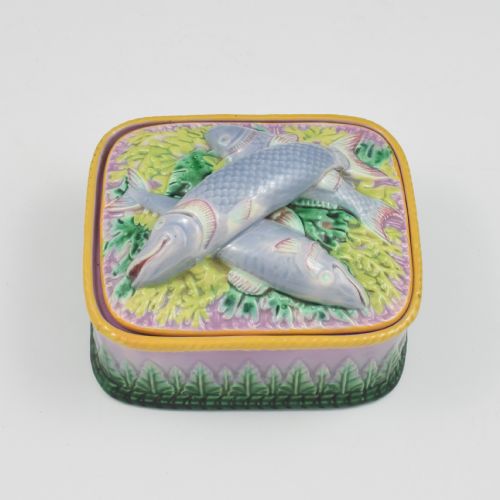
- A colourful, lead-glazed earthenware characterised by vibrant organic modelling and rich coloured enamels. It gained popularity in the Victorian era for dimensional forms like cheese bells and sardine boxes.
- Sucrier
- A small covered bowl designed specifically for holding sugar on the tea table. These delicate vessels mirror the porcelain bodies and decorative styles of matching tea services.
Antique Ceramic Covered Dish: Frequently Asked Questions
What was a cheese dome used for?
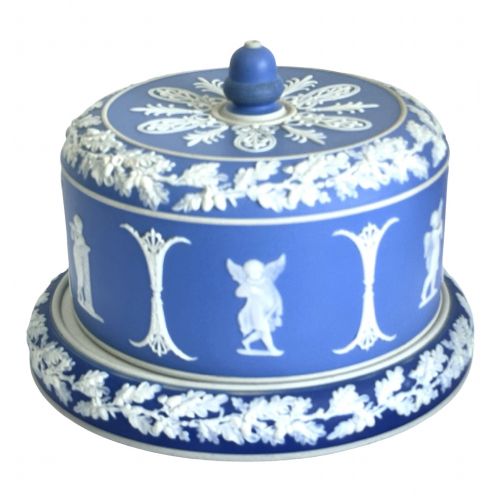
A cheese dome or bell protected large cheeses from dust and drying out on the dining table or sideboard. The matching ceramic stand caught crumbs and provided a stable base for serving.
These heavy earthenware and ironstone covers kept dairy cool and fresh before refrigeration became common in homes. They remained popular decorative and functional table accessories throughout the Victorian period.
Were sauce tureens used every day?
Sauce tureens formed part of larger dinner services utilised for formal dining and everyday meals. They held gravies, drawn butter, and cream sauces, keeping them warm at the table with fitted lids and ladles.
Matching stands caught drips and protected fine linens from spills during family gatherings or dinner parties. Their presence indicates the multi-course dining customs of Georgian and Victorian households.
How do I care for antique ceramic dishes?
Antique ceramics require gentle hand washing in lukewarm water with mild soap to protect fragile glazes and hand-painted enamels. Dishwashers and harsh detergents will damage historic surfaces and wear away gilding.
Display these vessels away from direct sunlight and sudden temperature changes to prevent crazing in the glaze. Ensure heavy pieces like ironstone cheese domes are supported securely when moved.