


Georgian Porcelain Sauce Tureen
A georgian porcelain sauce tureen brings the elegance of the dining table from the eighteenth and nineteenth centuries straight into your home.
Georgian Porcelain Sauce Tureen
When you search for georgian porcelain sauce tureen, you are looking at small, covered vessels designed for holding gravies and sauces during formal dining. These pieces take the form of tureens, tableware, and sauce tureens originating from the eighteenth and nineteenth centuries.
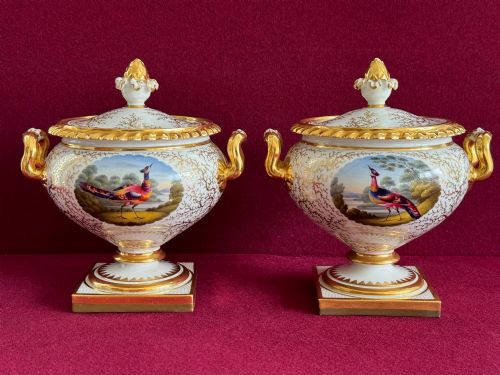
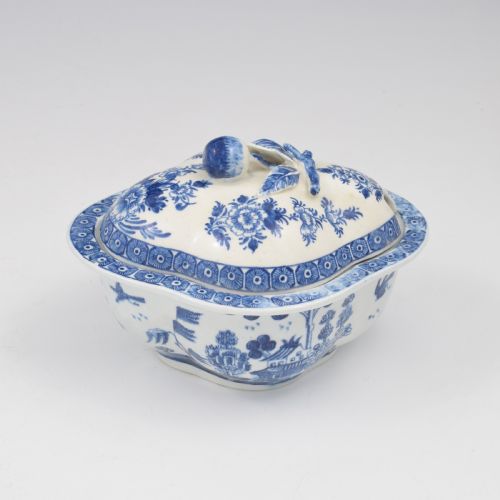
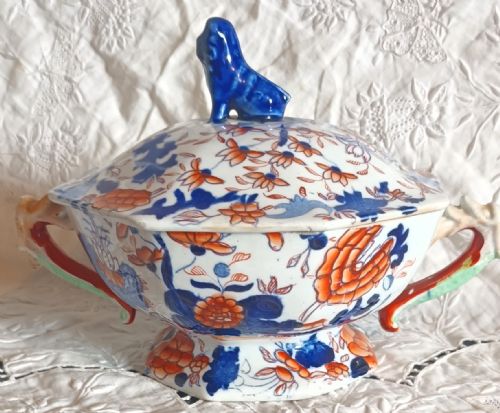
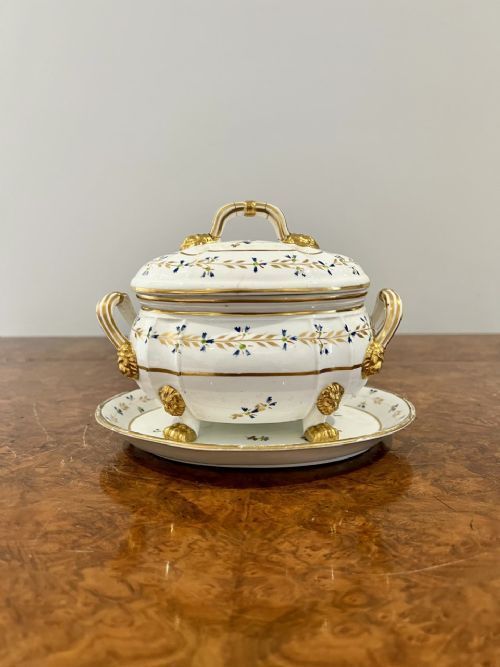
The versions you are most likely to meet on this page span the Georgian, Regency, and early nineteenth-century periods. They include soft-paste porcelain, pearlware, and ironstone examples, often accompanied by matching covers.
Makers and factories represented in the evidence include Derby, Flight Barr & Barr Worcester, Mason's, Chamberlain Worcester, Coalport, and Swansea. Their designs range from botanical decoration and blue and white patterns to Imari palettes and green Mandarin motifs.
How they were made
These pieces rely on ceramic materials such as porcelain, soft-paste porcelain, earthenware, and ironstone, shaped into distinct tableware forms. Potters applied glazes to seal the ceramic body before adding hand-painted or transfer-printed decoration.
Decoration often incorporates enamel colours, gold leaf, and gilt highlights to accentuate handles and rims. Factories utilised specialised kiln techniques to fire both the body and the subsequent overglaze painting.
Listings feature eighteenth and nineteenth-century pieces made from soft-paste porcelain, ironstone, and pearlware.
What varies in quality
The distinction between standard and finer examples rests upon the crispness of the moulding and the sophistication of the hand-painting. Botanical studies and intricate Imari patterns demand greater skill from the decorator than simpler monochrome designs.
The presence of precious materials like gold leaf and the prestige of the factory, such as Flight Barr & Barr or Derby, elevate the status of a piece. Preservation of the original glaze and the intact survival of the matching cover further separate ordinary wares from exceptional ones.
Derby·Swansea·Mason s·Crown Derby·Flight Barr & Barr·Chamberlain Worcester·Coalport·Coalbrookdale
The Georgian Porcelain Sauce Tureen Glossary
- Soft-Paste Porcelain
- An early artificial ceramic composition fired at lower temperatures than true hard-paste porcelain. This body creates a warm, creamy tone under the glaze.
- Pearlware
- A refined earthenware developed in the late eighteenth century featuring a bluish-tinted glaze that pooled blue in crevices. It mimics the appearance of Chinese export porcelain.
- Ironstone
- A heavy, durable ceramic patented in the early nineteenth century designed to resist chipping. It bridges the gap between earthenware and porcelain.
- Imari
- A decorative style inspired by Japanese export wares featuring a palette of underglaze blue, iron red, and gilt. Factories across England adopted this aesthetic during the Regency period.
- Quatrefoil
- A symmetrical shape composed of four overlapping lobes, often seen in the profile of eighteenth-century tureens and dishes.
Georgian Porcelain Sauce Tureen: Frequently Asked Questions
What were sauce tureens used for?
These covered vessels held hot gravies, melted butter, and seasoned sauces served alongside meat and fish courses at the dining table. The lid kept the contents warm between the kitchen and the dining room.
They formed part of large matching table services used by prosperous households during the Georgian and Regency eras.
How do I date a Georgian sauce tureen?
Dating relies on stylistic markers, paste composition, and factory marks where present. Soft-paste porcelain and quatrefoil shapes often point to the mid to late eighteenth century.
Heavier ironstone bodies and bright Imari or botanical decoration typically indicate the early nineteenth century and the Regency period.
What is the difference between porcelain and ironstone?
Porcelain is a vitrified ceramic fired at high temperatures to achieve a translucent body. It was favoured for delicate, highly decorative tableware.
Ironstone is a dense, opaque earthenware designed for everyday durability while retaining a refined appearance suitable for formal dining.
How should I display a vintage tureen?
These pieces sit well on sideboards, open dressers, or within glazed cabinets where their painted decoration remains visible. Keeping the cover resting securely on the base preserves the intended silhouette of the vessel.
Displaying them away from direct heat sources protects the historic glaze and any delicate gilt details.