
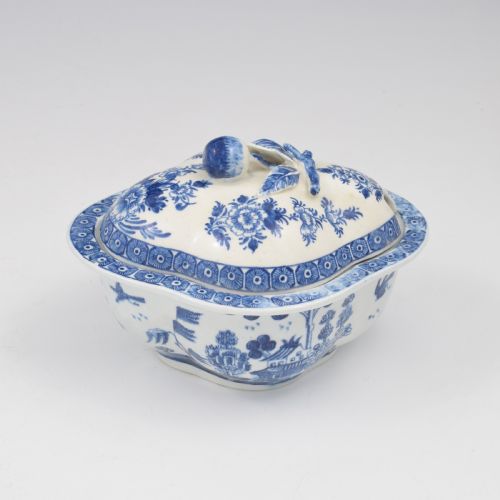
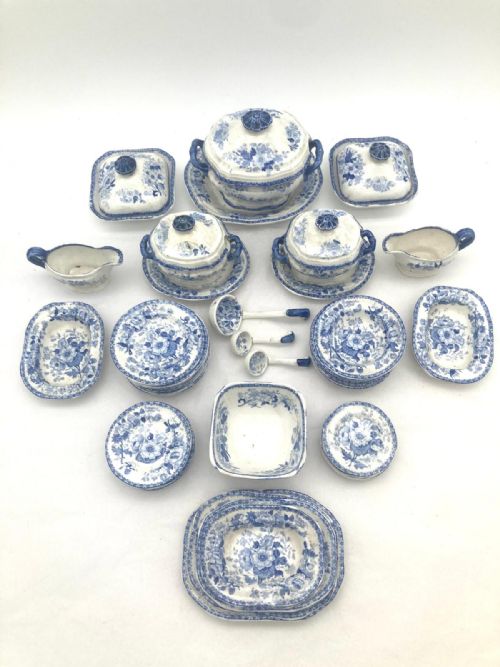


Blue White Porcelain Tureen
These blue white porcelain tureen examples offer substance and style, bringing robust ceramics and classic cobalt glaze work directly to the table.
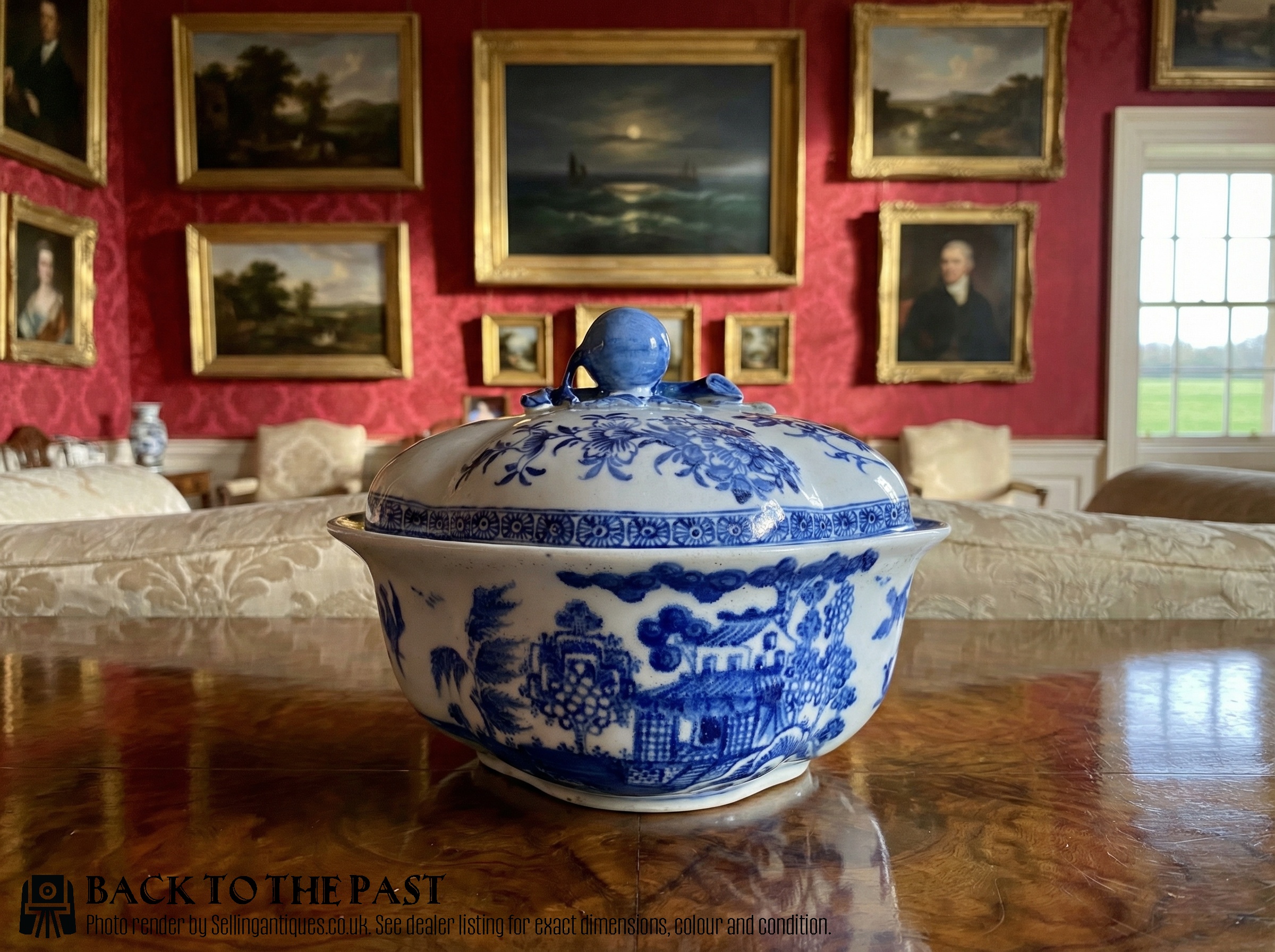
Identifying blue white porcelain tureen pieces
A blue white porcelain tureen is a covered vessel designed for serving soup or sauce at the dining table. These pieces span the eighteenth century, including items made during the Georgian era and the Qianlong period. Buyers encounter both domestic English works and Chinese export pieces.
The forms range from compact sauce tureens with quatrefoil shapes to larger soup tureens complete with matching covers. English examples often originate from factories like Derby, whilst other items come from Chinese export production. Every listed piece shares the fundamental function of serving food whilst displaying blue and white ceramic decoration.
Materials and manufacture
The manufacture relies upon porcelain, encompassing both soft-paste porcelain and hard-paste porcelain bodies. Artisans shape the ceramic mass into complex forms such as quatrefoil vessels before applying decoration. The body provides a solid, vitreous base suitable for holding liquids.
Makers apply cobalt glaze directly to the ceramic surface to create the distinctive blue decoration. A subsequent firing fuses the cobalt glaze into the surface, locking the pigment beneath a clear glassy layer. This technique produces durable blue and white patterns that resist everyday wear.
Retail Price Guide 2026
Typical UK retail prices for blue white porcelain tureen, calculated from the Sellingantiques database of over a million retail prices indexed since 2003. This retail price guide relies exclusively on Sellingantiques data; no external sources or auction records are used, so the figures do not describe the wider market.
Listings feature items exclusively from the eighteenth century, spanning materials like soft-paste porcelain, hard-paste porcelain, and cobalt glaze.
Assessing quality in these ceramics
Quality rests upon the precision of the form and the clarity of the cobalt glaze application. Finer pieces demonstrate crisp moulding in shapes like the quatrefoil, whilst lesser examples exhibit softer contours. The control over the cobalt pigment during firing dictates whether the blue decoration appears sharp or blurred.
The sophistication of the painting and the historical provenance elevate certain items above standard production. Pieces originating from specific periods like the Qianlong reign or recognised makers such as Derby display distinct artistic execution. The presence of an original matching cover completes the structural integrity of the vessel.
Derby Porcelain
The Blue White Porcelain Tureen Glossary
- Quatrefoil
- A four-lobed shape resembling a four-leaf clover used for the body of certain sauce tureens. This contour requires precise moulding during the ceramic forming process.
- Soft-paste porcelain
- An artificial porcelain composition fired at lower temperatures than true hard-paste porcelain. It appears frequently in eighteenth-century English factory production.
- Cobalt glaze
- A metallic oxide pigment applied to ceramics to produce a deep blue colour under the final glaze. It remains stable at high kiln temperatures.
- Chinese export
- Porcelain manufactured in China specifically for the Western market during periods such as the Qianlong reign. These objects combine Eastern manufacturing techniques with shapes requested by European buyers.
- Hard-paste porcelain
- A true ceramic composition made from petuntse and kaolin, fired at high temperatures to create a dense, translucent body.
Frequently Asked Questions
What is a blue white porcelain tureen?
A blue white porcelain tureen is a covered serving vessel made from ceramic materials and decorated with cobalt glaze.
These pieces were historically used at the dining table for serving soups and sauces during the eighteenth century.
How do I date an 18th century tureen?
Dating relies upon stylistic markers, material composition such as soft-paste or hard-paste porcelain, and historical periods like the Qianlong era.
Factory attributions, such as those from Derby, also help establish the approximate decade of manufacture.
What is the difference between Chinese export and English tureens?
Chinese export pieces were manufactured in China for Western markets during dynasties like the Qianlong period, utilising local hard-paste porcelain.
English examples, such as those from Derby, often employed soft-paste porcelain and reflected Georgian dining fashions.
How were these tureens used originally?
These vessels functioned as tableware items designed to hold and present soups or sauces during formal dining occasions.
The matching covers kept the contents warm until serving at the table.