


Blue White Covered Dish
A blue white covered dish brings cobalt decoration and functional elegance to the table, spanning centuries of ceramic craft.
Blue White Covered Dish
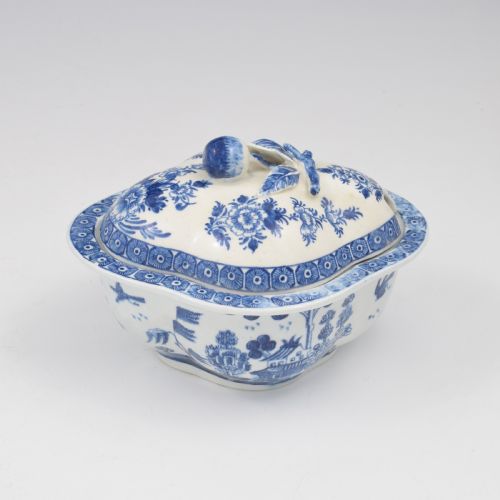
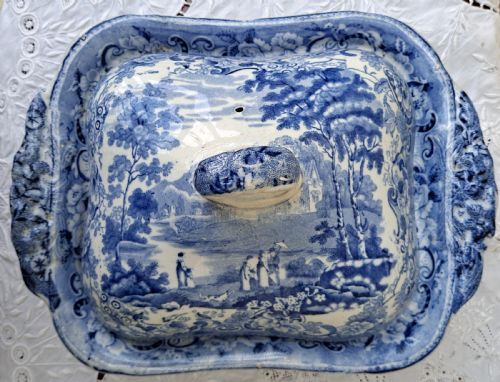
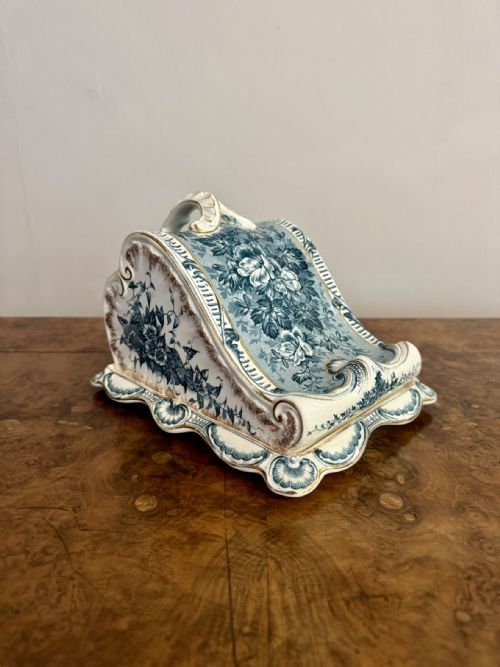
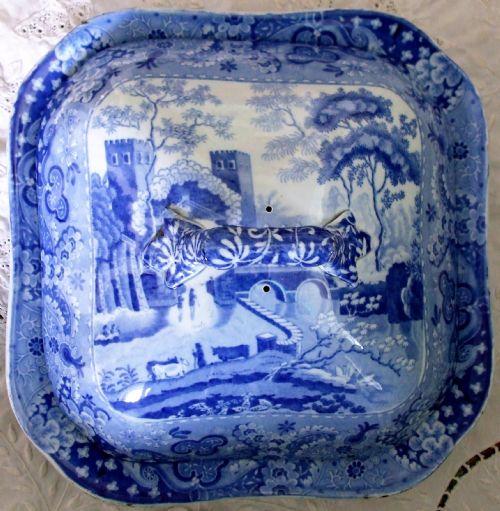
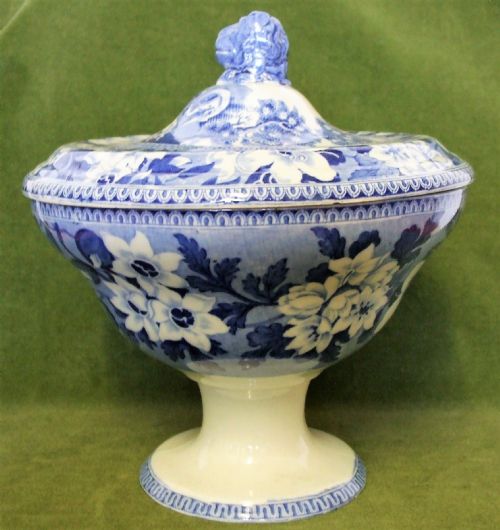
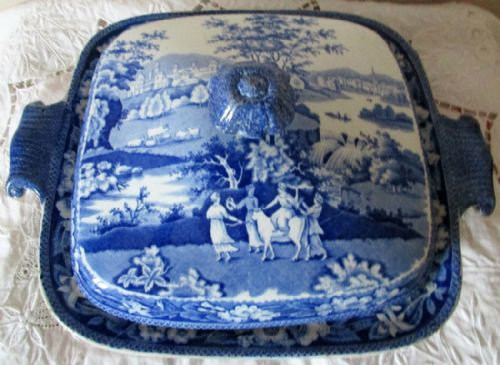
When you search for a blue white covered dish, you encounter a range of tableware forms designed for serving and preserving food. These pieces include vegetable tureens, sauce tureens, sugar bowls, butter dishes, cheese dishes, and patch boxes.
The selections span the eighteenth and nineteenth centuries, taking in Georgian and Victorian periods alongside Chinese export wares. English earthenware and ironstone sit alongside soft-paste porcelain, hard-paste porcelain, and glass.
Transfer-printed patterns depicting rural scenery, castles, and exotic animals appear frequently alongside hand-painted cobalt designs. Buyers find everything from small trinket boxes to large serving tureens complete with ladles and stands.
Materials and methods
Potters shaped earthenware, ironstone, and porcelain bodies before applying cobalt glaze or transfer-printed decoration beneath or over the glaze. Enamel touches occasionally supplement the dominant blue and white palette.
Glass pieces utilise white latticinio techniques with blue cane rims, while porcelain wares rely on high-firing kilns to vitrify the ceramic body. Ironstone provided a heavier, durable alternative for nineteenth-century domestic service.
An imperial Russian butter dish takes the delightful form of a bird, complete with fitted wings and tail.
Quality differences
The clarity of the transfer print and the crispness of the cobalt glaze determine visual success. Finer pieces maintain registration across complex pictorial scenes without blurring or pooling.
Purity of the ceramic body and delicacy of moulding separate standard utility wares from factory showpieces. Modelled elements such as lion-head handles or bird forms reveal the sculptor's precision.
James Wallace and Co·J and R Clews·John Rogers and Son·John and Richard Riley·Doulton Burslem·Baccarat·Kuznetsov·Ridgways·Copeland and Garrett
The Blue White Covered Dish Glossary
- Transfer print
- A decoration method using an engraved copper plate to transfer an ink pattern onto tissue paper and thence onto the ceramic biscuit. This technique allowed intricate pictorial scenes to be replicated rapidly.
- Ironstone
- A dense, vitreous earthenware patented in the nineteenth century for durability. It resists chipping far better than standard earthenware while accepting similar blue and white transfer designs.
- Soft-paste porcelain
- An artificial porcelain composition fired at lower temperatures than true hard-paste porcelain. It yields a warm glaze appearance and was favoured by eighteenth-century English factories.
- Latticinio
- A glassblowing technique incorporating fine white or coloured threads within clear glass. Pieces utilise this method to create intricate web-like patterns.
- Jasper dip
- A stoneware body developed by Wedgwood where a coloured exterior slip coats a white base. This creates a contrasting cameo effect on small boxes and tableware.
Blue White Covered Dish: Frequently Asked Questions
How were tureens used?
Tureens served soups, vegetables, and sauces at formal dining tables, keeping contents warm with fitted covers.
Ladle slots and matching stands accommodated the messy business of serving during large meals.
What is Chinese export porcelain?
Chinese export porcelain refers to wares manufactured in China specifically for Western markets during the Qing dynasty.
These items combined traditional Chinese ceramic skills with shapes and patterns requested by European buyers.
How do I identify ironstone?
Ironstone feels heavier and denser than standard earthenware, with a thick body designed to withstand heavy daily use.
Manufacturers often stamped their ironstone wares on the base to denote strength and origin.
Where should I display these?
Covered dishes work well on dining sideboards, open shelving, or inside glass-fronted cabinets where patterns remain visible.
Smaller items like patch boxes fit neatly on dressing tables or desks as decorative containers.