
18th Century Chinese Export
These pieces of 18th century chinese export bring together European utility and Eastern manufacture through decorative porcelain, lacquer, and enamel created for the Western market.
18th Century Chinese Export
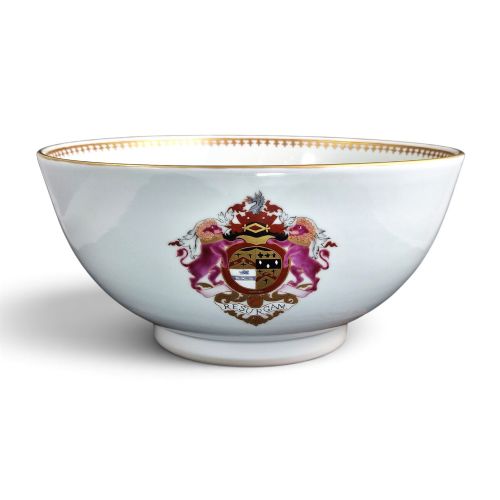
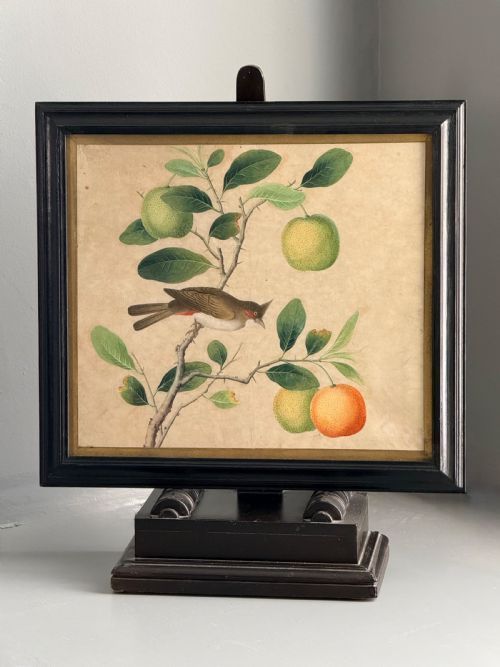
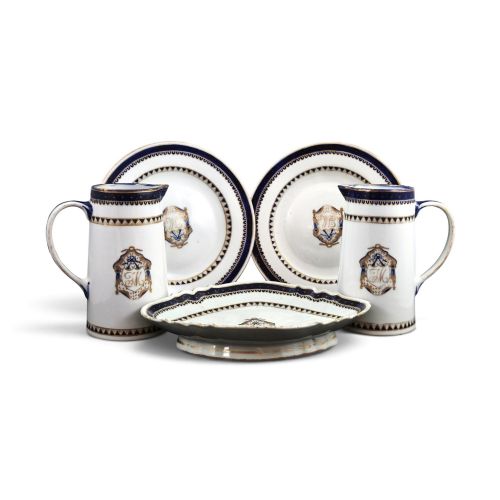
When searching for 18th century chinese export, a buyer encounters a diverse range of decorative and functional objects produced in China primarily for European and Western patrons. The forms on this page span from armorial soup plates and punch bowls to lacquer cabinets, tea caddies, and gouache paintings.
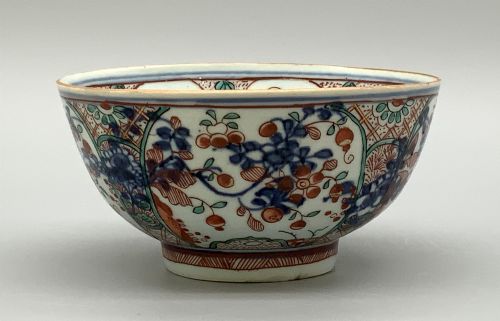
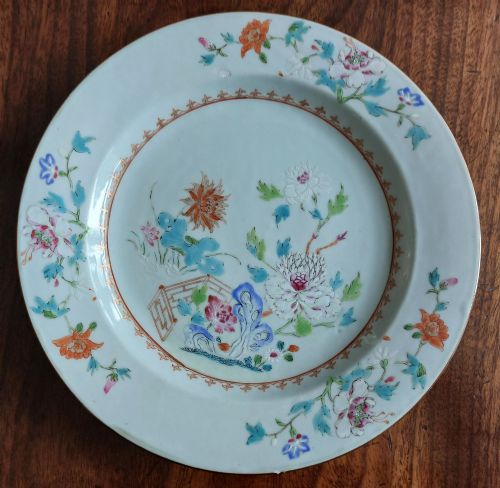
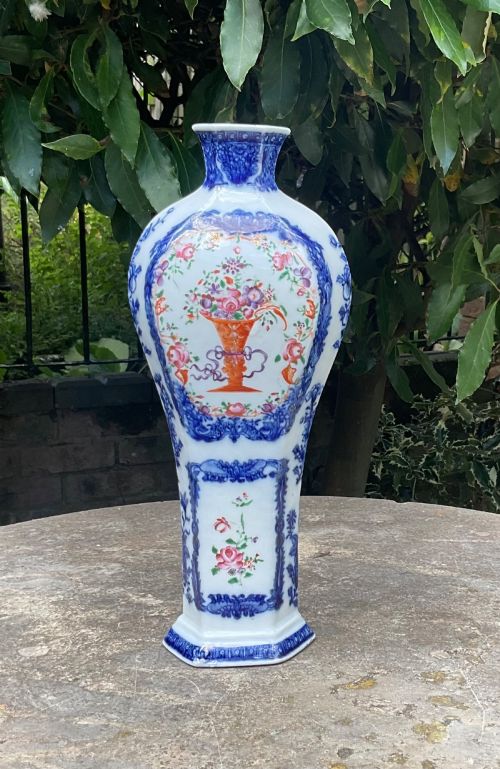
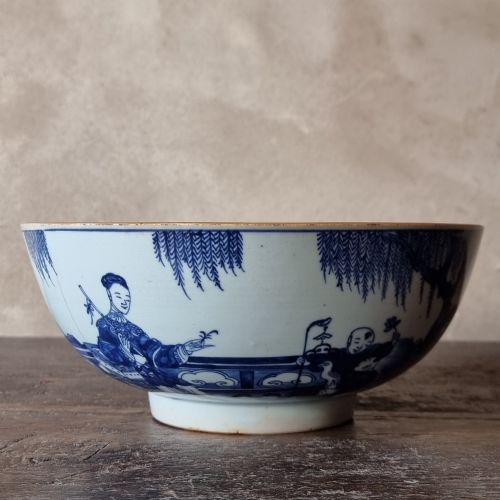
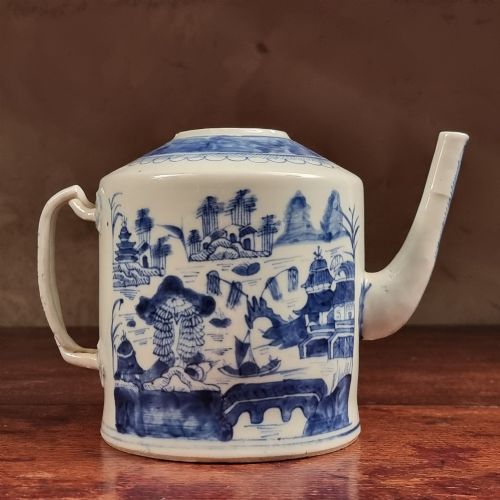
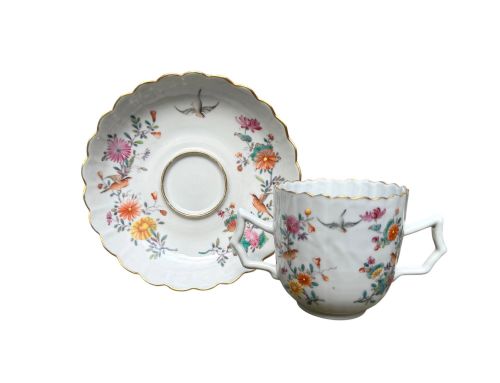
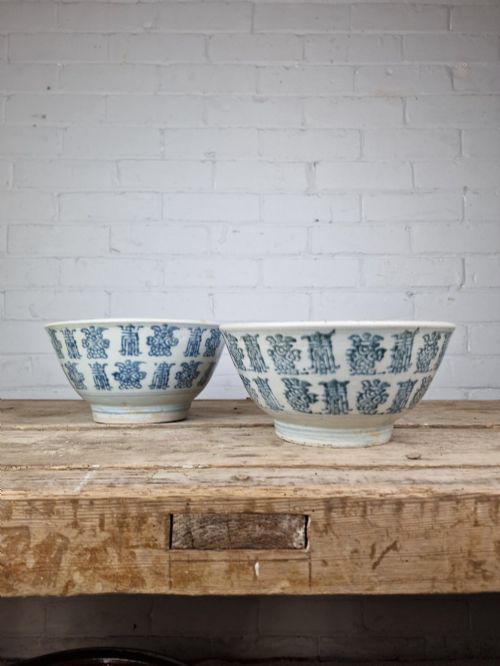
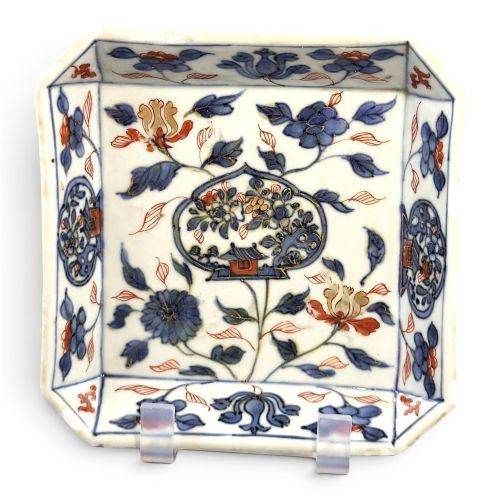
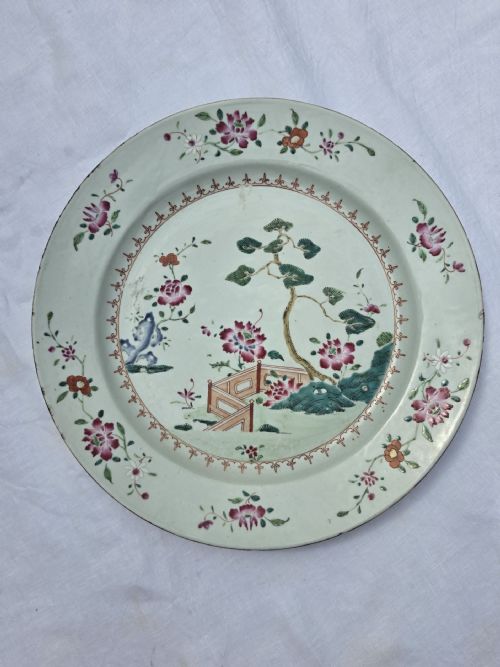
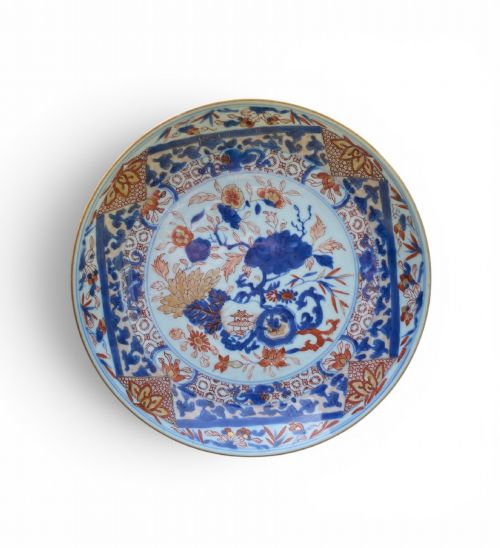
Porcelain items bearing famille rose enamels, Chinese Imari palettes, and blue and white Nanking designs form the core of the available selection. Alongside these ceramic wares, the evidence records occasional pieces in wood, brass, and glass, including reverse painted mirrors and dressing mirrors.
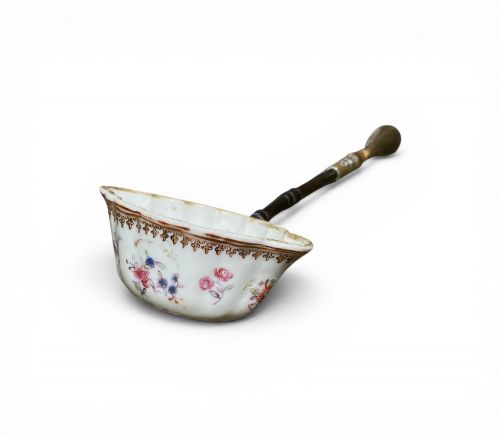
The objects frequently date across the Kangxi and Qianlong periods of the Qing Dynasty, reflecting decades of maritime trade between China and the West. Platters, teapots, and chargers dominate the ceramic offerings, accompanied by smaller accessories such as snuff boxes and ladles.
Materials and methods
Hard-paste porcelain forms the physical foundation for the majority of these objects, shaped by potters utilising refined clays and high-temperature kilns. Artisans then applied cobalt glaze underglaze or painted polychrome enamels over the fired surface.
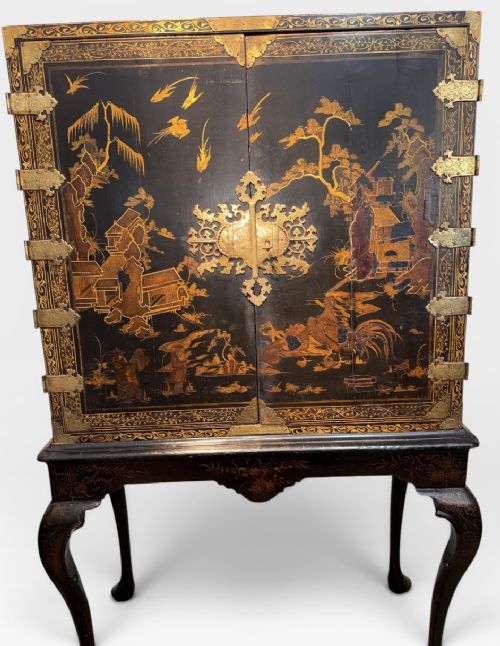
Surface decoration frequently incorporated famille rose palettes, gold leaf, and enamel work applied by hand. Woodwork utilises materials like padouk, paired with lacquer finishes, or combines with brass and ormolu mounts to secure cabinets and coffer forms.
An eighteenth-century tea caddy expected to hold dried leaves now serves as a tiny monument to global shipping lanes.
Distinctions in quality
Quality in these wares rests upon the precision of the hand-painting, the complexity of the armorial or pictorial design, and the stability of the porcelain body. Pieces decorated with detailed coats of arms or intricate floral and bird motifs demonstrate a higher tier of workshop output.
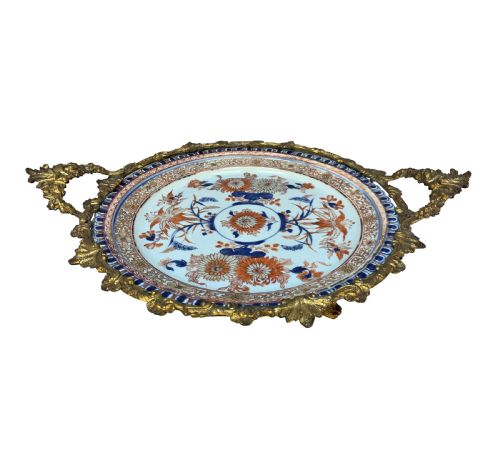
The integration of secondary materials, such as ormolu mounts on porcelain plates or fine lacquer work on cabinets, separates standard utility items from luxury commissions. The clarity of the glaze and the vibrancy of the enamel colours further distinguish superior examples.
The 18th Century Chinese Export Glossary
- Famille rose
- A palette of opaque enamel colours introduced in the Qing dynasty, dominated by pink and rose shades derived from colloidal gold. This palette appears frequently on plates and teapots from the Qianlong period.
- Chinese Imari
- A style of porcelain decoration that imitates Japanese Imari wares, combining underglaze blue with iron red and gilt highlights. It is seen on bowls, dishes, and tea wares dating to the early eighteenth century.
- Armorial
- Ceramic service pieces painted with a specific European family coat of arms or crest. These were custom ordered through the export trade.
- Nanking blue and white
- Underglaze cobalt blue porcelain produced for export, typically featuring detailed landscape or architectural motifs. Platters and serving dishes often carry this designation.
- Qianlong period
- The reign of the Qianlong Emperor from 1735 to 1796, representing a major era of ceramic production and export trade. Many items on this page date to these decades.
- Coffer
- A strongbox or large chest utilised for secure storage, sometimes fashioned from export lacquer with metal mounts. These pieces combine utility with decorative exterior finishes.
18th Century Chinese Export: Frequently Asked Questions
What is 18th century chinese export porcelain?
These ceramics were manufactured in China during the eighteenth century specifically for export to European and global markets. They combined traditional Chinese manufacturing techniques with Western shapes and heraldic designs requested by foreign buyers.
Over the decades, kilns produced everything from elaborate punch bowls to tea services, adapting traditional motifs like blue and white or famille rose to suit Western decorative tastes.
How were these pieces used historically?
Wealthy households utilised these objects for dining, tea ceremonies, and interior display. Large platters, soup plates, and tureens served food at fashionable tables, while punch bowls held drinks during social gatherings.
Smaller items like tea caddies, snuff boxes, and dressing mirrors functioned as personal accessories or decorative furnishings within domestic interiors.
How do I care for export porcelain?
These porcelain and enamel items require gentle handling and hand washing with mild soap to protect the overglaze enamels and gold leaf highlights. Avoiding abrasive scrubbers prevents wear to the painted surfaces.
Wooden or lacquered export pieces benefit from stable indoor humidity and protection from direct sunlight to preserve the finish of the lacquer and the integrity of the joins.
How can I tell the Kangxi period from the Qianlong period?
Kangxi period pieces, dating from 1662 to 1722, often feature vibrant cobalt blue underglaze or early Imari palettes with distinct iron red and gilt details. The forms tend to reflect earlier utilitarian traditions of the late seventeenth and early eighteenth centuries.
Qianlong period pieces, produced from 1736 onwards, frequently display the opaque pinks and greens of the famille rose palette and more complex armorial or Western-influenced pictorial designs.