




Hand Painted Porcelain Tureen
A hand painted porcelain tureen brings table service from the eighteenth and nineteenth centuries straight into a modern dining room.
What They Are
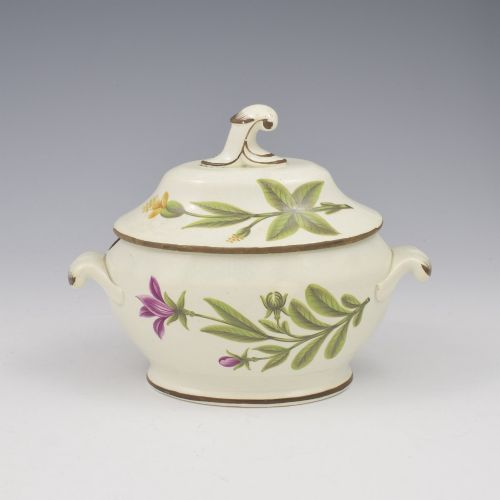
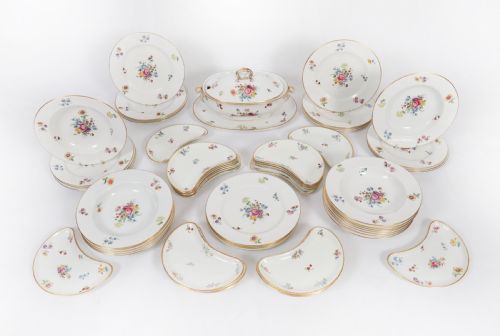
When you search for a hand painted porcelain tureen, you encounter serving vessels designed for soups, sauces, and table centerpieces from the eighteenth and nineteenth centuries. These pieces appear in forms ranging from compact sauce tureens with stands to large soup vessels with covers.
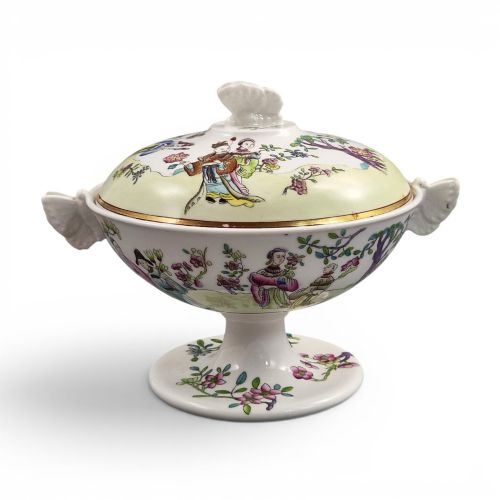
The selections recorded here span the Regency period, the 1800s, and the broader 19th Century and 18th Century eras. You meet English factories like Flight Barr & Barr Worcester alongside Continental workshops and Chinese Export pieces made during the Qianlong period.
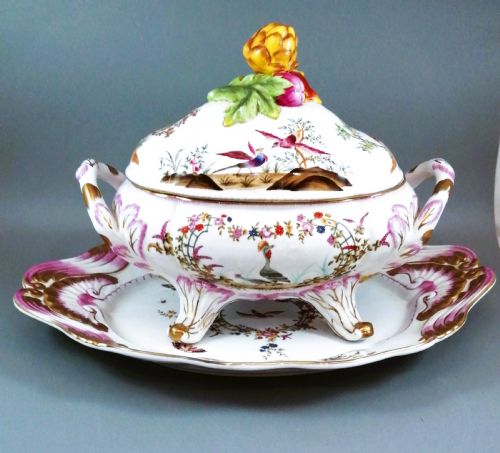
Continental Rococo styles sit beside Chinese Export designs, showing how different markets interpreted floral and insect decoration over the decades. Most examples include matching lids, and certain pieces retain their original underplates or pedestals.
How They Were Made
Potters shaped these vessels from ceramic and porcelain bodies before applying intricate hand painted decoration in enamel and cobalt glaze. Artisans added richness through applied gold leaf and gilt highlights that framed the hand-painted motifs.
Firing techniques of the Regency and earlier periods required precise kiln control to set the glaze and fix the painted insects, flowers, and naturalistic scenes. The resulting surfaces display the distinct brushwork of period ceramic painters.
Retail Price Guide 2026
Typical UK retail prices for hand painted porcelain tureen, calculated from the Sellingantiques database of over a million retail prices indexed since 2003. This retail price guide relies exclusively on Sellingantiques data; no external sources or auction records are used, so the figures do not describe the wider market.
Victorian artists occasionally populated these porcelain bowls with tiny, hand-painted insects that seem to have landed directly on the flowers.
What Varies in Quality
The division between standard production and exceptional work rests on the precision of the hand painted detail and the crispness of the porcelain moulding. Pieces decorated with delicate, lifelike insects and complex floral arrangements command attention through superior brush control.
Completeness dictates much of the standing within this field, separating examples that retain their original lids, stands, and pedestals from those lacking components. The integration of cobalt glaze and gold leaf also distinguishes ambitious factory pieces from simpler wares.
Flight Barr And Barr
The Hand Painted Porcelain Tureen Glossary
- Sauce tureen
- A small covered serving vessel intended for gravies or sauces at the dining table. These often come with an attached or separate matching stand.
- Cobalt glaze
- A deep blue mineral pigment applied under the glaze before firing to create rich tonal decoration. It endures high kiln temperatures without losing intensity.
- Chinese Export
- Porcelain manufactured in China specifically for Western markets during the Qing dynasty and earlier. Styles often combined traditional Eastern forms with motifs requested by European buyers.
- Flight Barr & Barr
- A prominent Worcester porcelain manufacturer active during the Regency period. Their output is noted for fine paste bodies and meticulous hand painting.
- Gilt
- A thin layer of gold applied to the porcelain surface for decorative enrichment. It catches the light and highlights handles, rims, and painted borders.
Frequently Asked Questions
What was a tureen used for?
These vessels served soups, stews, and sauces at formal dining tables during the eighteenth and nineteenth centuries. They kept contents warm with fitted lids while presenting food attractively to guests.
Larger forms sat centrally on the table, while smaller sauce tureens were placed closer to diners for individual service.
How do I date a porcelain tureen?
Dating relies on stylistic clues, factory marks, paste characteristics, and painting techniques recorded across different eras. Regency pieces often show neoclassical influences, while eighteenth-century Chinese export items display specific palette choices.
Comparing handles, foot rims, and floral motifs against documented examples helps narrow down the period of manufacture.
Can I use an antique tureen for serving?
While these vessels were made for food service, antique porcelain and hand-painted glazes require careful handling today. Thermal shock from hot liquids can stress centuries-old ceramic bodies.
Many collectors prefer to display them as decorative objects or use them dry as table centerpieces.
Why do some tureens have stands?
Matching stands or pedestals caught drips and protected fine dining tables from heat and moisture during service. They also completed the visual composition of the serving set.
Surviving with the original stand significantly enhances the historical integrity of the piece.