


19th Century Worcester China
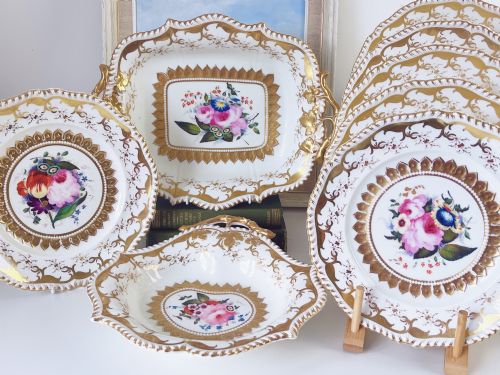
These pieces of 19th century worcester china bring hand-painted floral motifs and armorial crests directly into your cabinet.

19th Century Worcester China
When you search for 19th century worcester china, you encounter tablewares and decorative ceramics produced across the Georgian, Regency, and Victorian periods. The offerings range from single teacups and saucers to complete dessert services and sauce tureens.
The most common items on this page are plates and cups originating from periods associated with notable partnerships such as Flight, Barr & Barr, and Chamberlain. These items span styles from Georgian Neoclassical and Regency Chinoiserie to Rococo Revival and the Aesthetic Movement.
Collector interest centres on specific decorative schemes like the Dragon in Compartments pattern, butterfly subjects, and hand-painted botanical studies. Each piece reflects the evolving output of the Worcester factories through the eighteen-hundreds.
How they were made
The makers utilised fine porcelain bodies, shaped into plates, bowls, miniatures, and serving dishes. These forms were then glazed and fired in kilns before receiving hand-painted decoration.
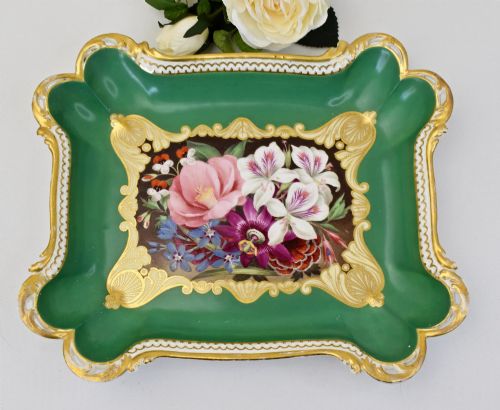
Artisans applied polychrome enamels, cobalt enamel, and gold leaf or gilding to highlight motifs such as armorial crests, flowers, and Japanese-inspired dragon patterns. Metal oxides and gold leaf required multiple firings to achieve a durable finish on the porcelain surface.
Lord Henry Thynne evidently required very specific plates, creating an unexpected collecting niche for nineteenth-century aristocrats with niche tastes.
What varies in quality
Quality rests upon the precision and complexity of the hand-painted details, particularly in intricate patterns like Dragon in Compartments or specialised armorial commissions. Superior pieces demonstrate crisp brushwork and well-preserved gilding.
The reputation of the specific factory period - such as Barr, Flight & Barr or Grainger Lee & Co - influences desirability alongside the complexity of the form, whether a standard dessert plate or a twin-handled serving dish.
Grainger Lee And Co·Flight Barr And Barr·Doe And Rogers·Barr Flight And Barr·Kerr And Binns·Royal Worcester
The 19th Century Worcester China Glossary
- Armorial
- Bearing a coat of arms or family crest. These bespoke services were commissioned by nobility and landed families.
- Enamel
- Opaque vitreous paint applied over the glaze and fired to fix the colour. Cobalt enamel provided a deep, rich blue tone.
- Gilding
- The application of gold leaf or powdered gold to ceramics. It highlights rims, handles, and painted compartments.
- Porcelain
- A hard, white, translucent ceramic body composed of china clay and petuntse. It forms the base for all these decorated pieces.
- Tureen
- A deep covered bowl used for serving sauces or soups. Twin-handled examples are frequent in dessert and dinner services.
19th Century Worcester China: Frequently Asked Questions
How do I identify the factory period?
Factories changed their partnerships and titles frequently during the Georgian and Regency eras, leading to specific inscriptions on the bases. Examining these factory marks helps separate earlier Barr periods from later Flight, Barr & Barr productions.
Style also provides clues, as Neoclassical and Chinoiserie designs appeared earlier in the century while Aesthetic Movement and Rococo Revival pieces emerged towards the Victorian period.
Were these pieces used for dining?
Many items were created as functional tablewares for wealthy households, including dessert services, soup plates, and coffee pots. Armorial services and crested tureens were deployed at formal meals to display family lineage and status.
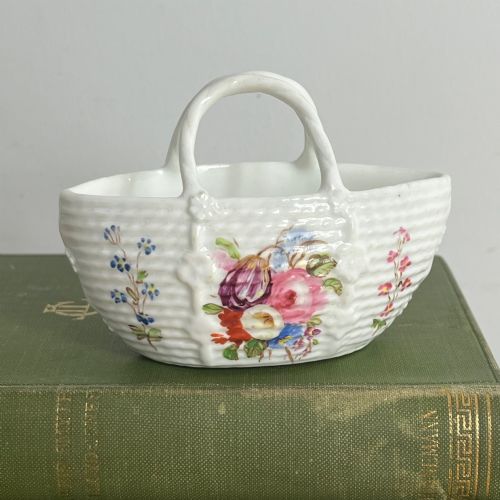
Other items, such as miniature porcelain baskets and decorative plaques, served purely ornamental purposes in drawing rooms and display cabinets.
How should I care for gilded porcelain?
Gilding and hand-painted enamels require gentle handling to prevent wear over time. These pieces should be washed by hand in lukewarm water using mild soap, avoiding abrasive sponges or modern dishwashers.
Displaying them away from direct sunlight protects the cobalt and polychrome enamel colours from fading during long periods on show.