


Chinese Export Famille Rose
Chinese export famille rose pieces are decorated porcelain objects made for Western markets, bringing vibrant enamel palettes and intricate hand-painted detail into domestic spaces.
Chinese Export Famille Rose
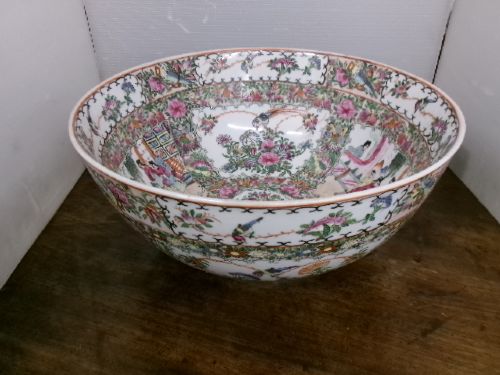
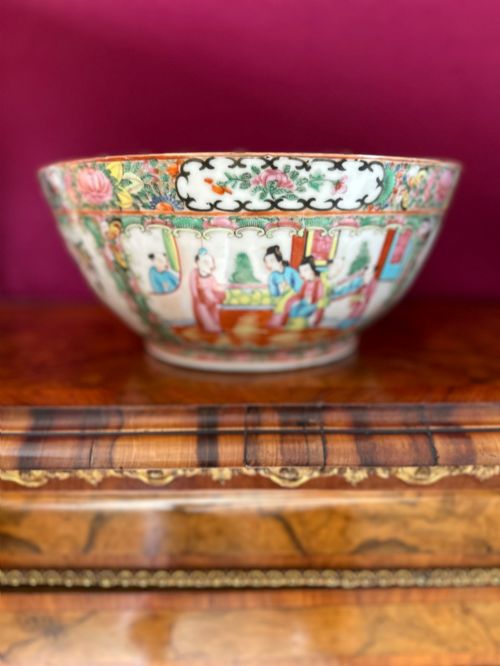
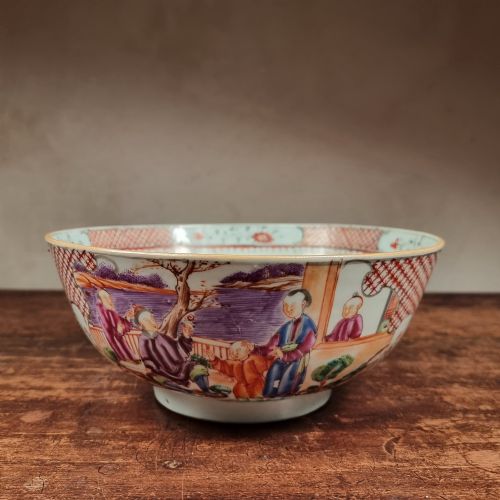
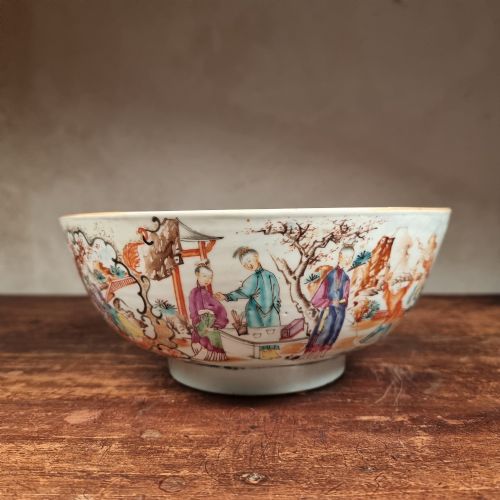
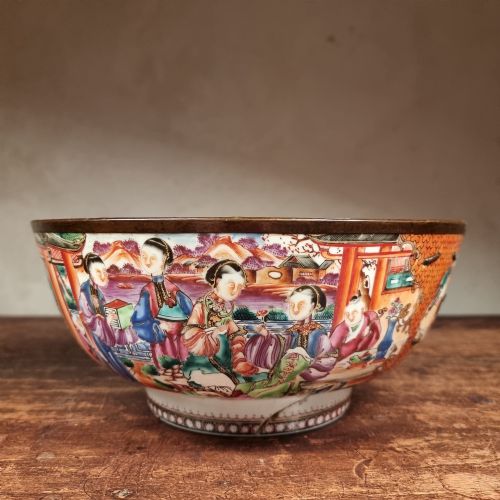
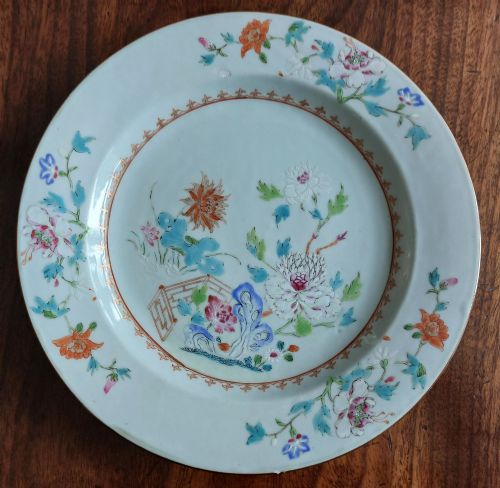
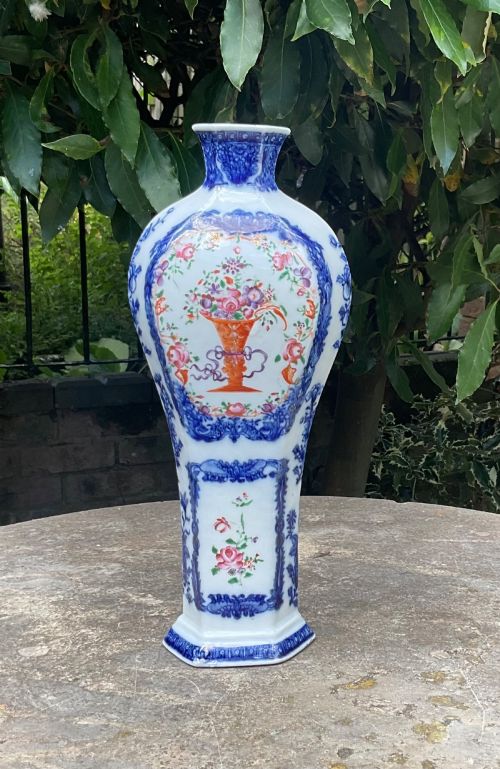
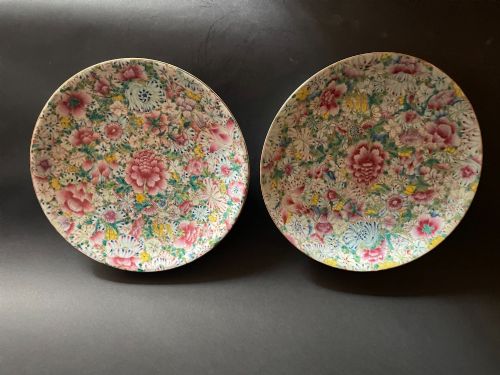
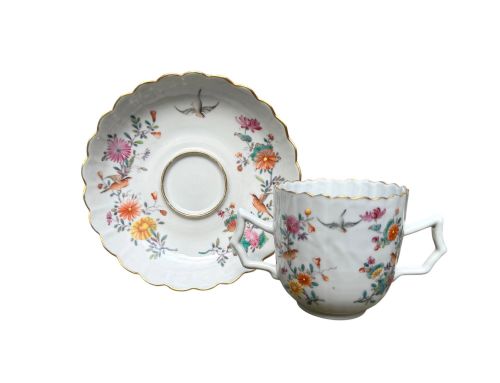
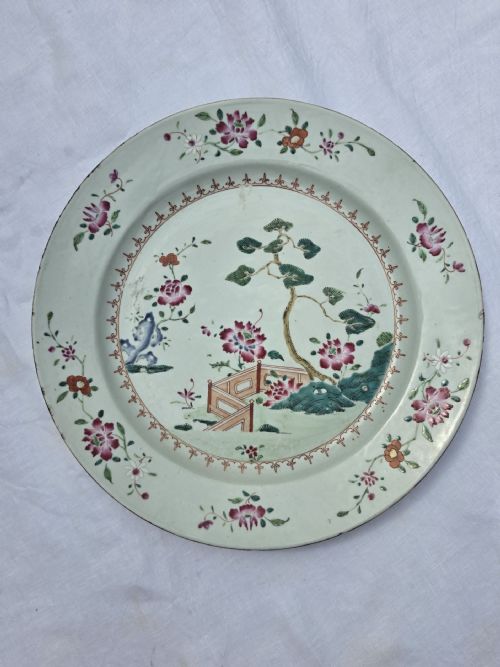
When looking for chinese export famille rose pieces, buyers encounter a wide variety of forms created for Western trade, including large punch bowls, decorative plates, vases, and teawares. The selection spans the eighteenth century, associated with the Qianlong period, through to the nineteenth century and the Victorian era, featuring Canton and regional styles.
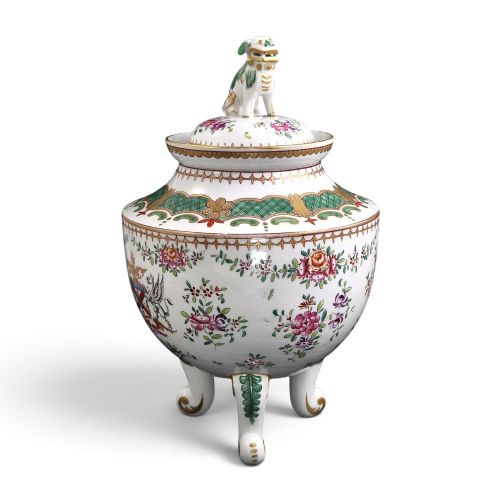
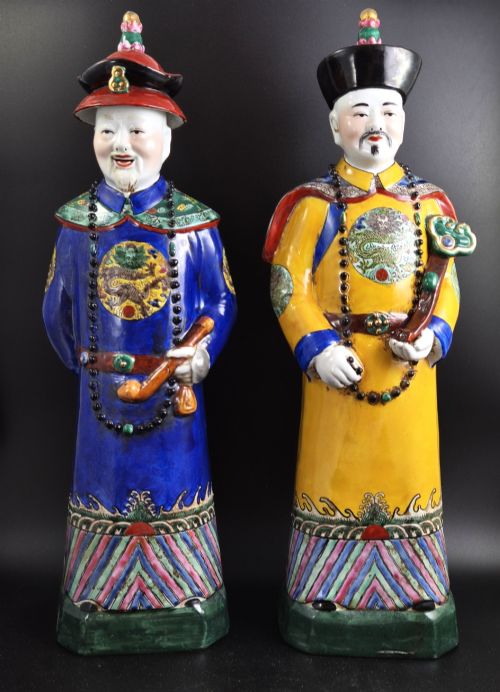
Vessels range from armorial soup plates bearing specific family crests to intricately painted eggshell bowls, figures, and lidded urns. Pieces frequently combine traditional Chinese motifs with shapes and designs tailored specifically for European and American tastes.
How they were made
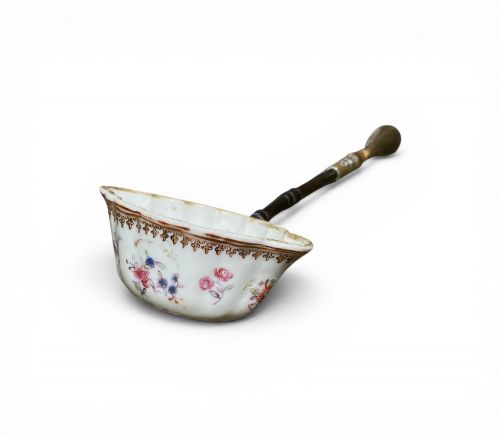
These items are fashioned from white Chinese porcelain, decorated using overglaze enamels dominated by pink and rose tones alongside gilt, gold leaf, and cobalt blue motifs. Artisans applied pigments by hand over a fired glaze before subjecting the pieces to a secondary low-temperature kiln firing to fix the colours.
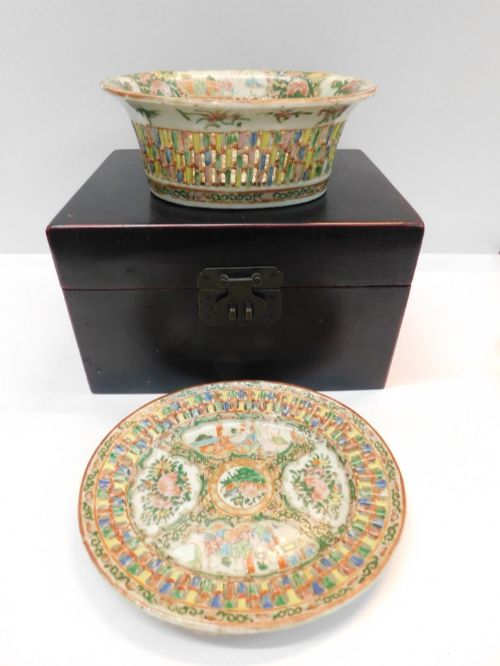
Metal mounts in brass or ormolu appear on select serving vessels and lamps, integrating Chinese ceramic bodies with European metalwork techniques. Reticulated baskets and intricate handles demonstrate advanced piercing and moulding skills applied prior to glazing.
Listings feature porcelain forms spanning the eighteenth and nineteenth centuries, including punch bowls, armorial plates, teawares, and pedestal dishes.
What varies in quality
The distinction between tiers of production lies in the precision and density of the hand painting, particularly in facial expressions, figural groupings, and botanical detail. Early eighteenth-century examples exhibit refined potting and disciplined brushwork, whereas later nineteenth-century Canton pieces often display bolder, more crowded palettes.
The crispness of the porcelain body and the stability of applied gilding dictate overall refinement, with eggshell thinness and balanced proportions marking superior craftsmanship.
Samson Paris·Fujian Huiguan
The Chinese Export Famille Rose Glossary
- Famille Rose
- A palette of opaque overglaze enamels introduced in the Qing dynasty, distinguished by its characteristic pink or rose colour derived from colloidal gold.
- Canton
- A style of export porcelain decorated in southern China, often featuring panels of figures alternating with birds, butterflies, and flowers.
- Armorial
- A ceramic service or individual vessel painted with a specific European family coat of arms, commissioned through export trade networks.
- Qianlong
- A period of the Qing dynasty spanning the eighteenth century, associated with high-precision porcelain production and delicate enamel work.
- Reticulated
- Potted with an openwork trellis or pierced lattice design, frequently seen on baskets and stands requiring careful drying and firing.
Chinese Export Famille Rose: Frequently Asked Questions
How are eighteenth and nineteenth century pieces told apart?
Eighteenth-century examples from the Qianlong period generally feature thinner porcelain bodies, more restrained floral compositions, and precise heraldic or figural painting.
Nineteenth-century and Victorian pieces, particularly Canton wares, tend to display heavier forms, denser medallion borders, and brighter, more saturated enamel colours.
Were these vessels used daily in period homes?
Punch bowls and tea services were actively used for entertaining and dining in stately homes, holding beverages and displaying wealth during gatherings.
Decorative plates, chargers, and vases served primarily as mantelpiece ornaments, cabinet displays, or architectural centrepieces rather than utilitarian tableware.
How should famille rose porcelain be displayed at home?
Large punch bowls and chargers require stable surfaces such as sideboards or tables where their interior and exterior decoration remains fully visible.
Vases and urns benefit from placement away from direct foot traffic to protect delicate overglaze enamels and applied ormolu mounts from accidental knocks.